Alabama Establishes Rural Health Transformation Group
Governor Kay Ivey signs Executive Order creating an advisory group guiding new Rural Health Transformation Program
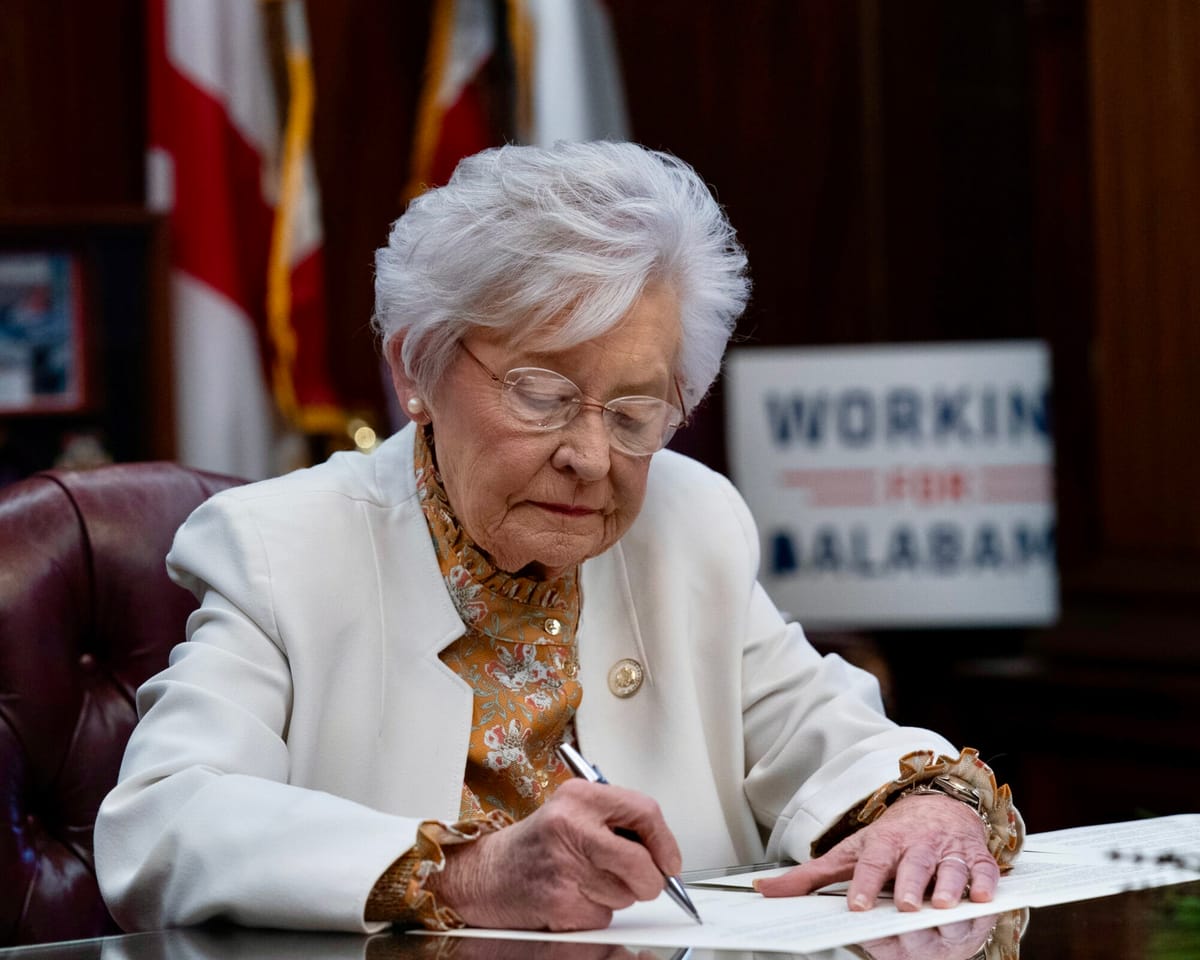
Governor Kay Ivey signed Executive Order No. 741 on December 18 to establish the Alabama Rural Health Transformation Advisory Group. The panel will advise State leaders on policy, progress and implementation of Alabama’s Rural Health Transformation Program, expected to launch in January.
“The creation of the Rural Health Transformation Advisory Group enables Alabama to hit the ground running once the State’s new comprehensive rural healthcare strategy is green-lighted by the Trump Administration,” Ivey said. “The members of this group will help ensure our programs initiate positive transformations to the way Alabamians receive quality healthcare and that those transformative investments and policies are sustainable.”
The advisory group includes five members each from the Alabama Senate and House of Representatives, appointed by the Governor. In addition, the director of the Alabama Department of Economic and Community Affairs (ADECA) will serve on the panel, along with the division chief of ADECA’s Federal Initiatives and Recreation Division, who will act as secretary.
Appointed members are Speaker Nathaniel Ledbetter, Senate Pro Tem Garlan Gudger, Senator Greg Albritton, Senator Clyde Chambliss, Senator Donnie Chesteen, Senator Bobby Singleton, Representative Anthony Daniels, Representative Jamie Kiel, Representative Rex Reynolds and Representative Pebblin Warren.
The advisory group will play a central role as Alabama moves forward with its Rural Health Transformation Program. This initiative stems from the recent federal One Big Beautiful Bill Act, a multi-year, $50 billion program aimed at strengthening rural healthcare access, quality and outcomes nationwide. Alabama’s plan has been submitted to the Centers for Medicare & Medicaid Services for approval.
A core team led the development of the State’s program plan. That team included the Governor’s Office, ADECA, the Alabama Department of Finance, the Alabama Medicaid Agency and the Alabama State Health Planning and Development Agency. Dozens of stakeholders and a 20-person workgroup of healthcare experts and lawmakers also helped shape the strategy.
Funding awards from the Centers for Medicare & Medicaid Services are expected by the end of the year.