
Alabama House OKs Tougher Penalties for Terrorist Threats
Lawmakers advance bill HB7, raising penalties for terrorist threats and require year-long student suspension for charged threats
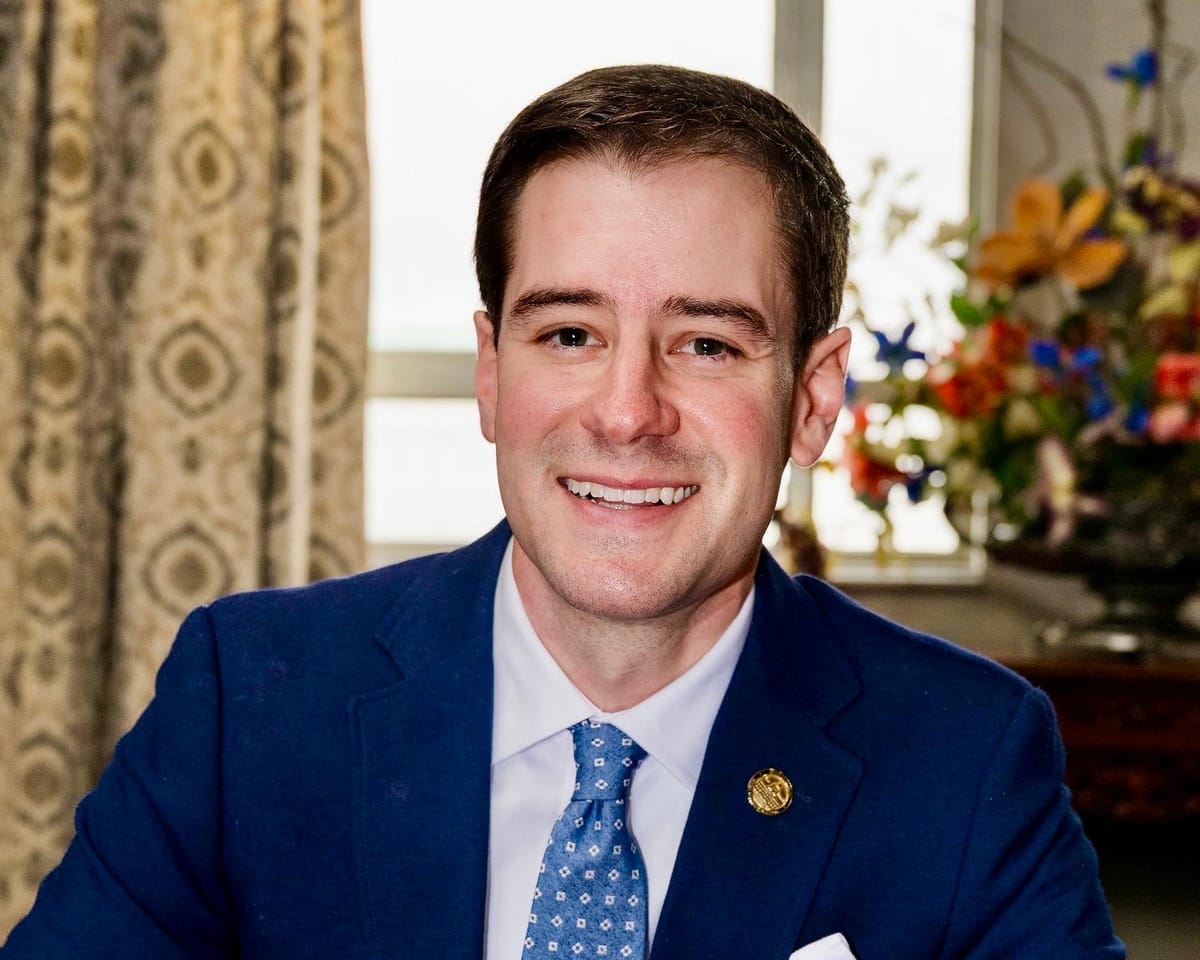
The Alabama House passed a bill Thursday that would toughen criminal penalties for making terrorist threats, including threats of school violence, and impose strict school discipline rules as the measure now heads to the State Senate.
The bill passed with 85 Yeas, 1 Nay and 15 Abstains.
House Bill 7 (HB7), carried by State Representative James Lomax (R-Huntsville), increases the punishment for first-degree terrorist threats from a Class C felony to a Class B felony. Under the bill, first-degree threats would carry a possible two- to 20-year prison term and up to a $30,000 fine. It also upgrades repeat second-degree threats to a Class D felony under certain circumstances.
The legislation sets a new definition for a “credible threat” as a knowing and willful statement or behavior that would make a reasonable person fear for their safety or the safety of others.
HB 7 would also change how schools must respond when students are charged. Principals would be required to immediately suspend any student charged with a terrorist threat for at least one year.
“Protecting our schools and giving students, educators, and administrators a safe environment to teach and learn ranks among our highest responsibilities as legislators,” Lomax said on the House floor. “Parents, too, need to know that their children are shielded and safe from harm and threats while at school, and this legislation provides an added and necessary layer of security.”
The bill’s original sponsor in 2025 was then-Rep. Matt Woods (R-Anniston), who has now been elected to the State Senate. He asked Lomax to carry the measure forward this session. Woods stressed why such measures are needed. “Incidents like the killing of Charlie Kirk, the attempt on President Trump, and other events are becoming increasingly common, and students are exposed to violent acts on a more frequent basis, so it is important that we discourage them from even threatening copy cat actions,” Woods said. “The safety of our children whether at school or elsewhere is paramount, and if this legislation prevents or discourages even one violent act from taking place, it will have done its job.”
Supporters of the bill argue the expanded penalties and defined response protocols will serve as a strong deterrent to would-be threats and help keep classrooms safer.
HB7 has been sent to the Senate.
The text of HB7 as engrossed may be read HERE.