Alabama Power Is at the Center of the Stockton Solar Problem, Not on the Sidelines
Guest Opinion by Dale Shelton Deas, Jr, MD, Republican Candidate for United States Senate
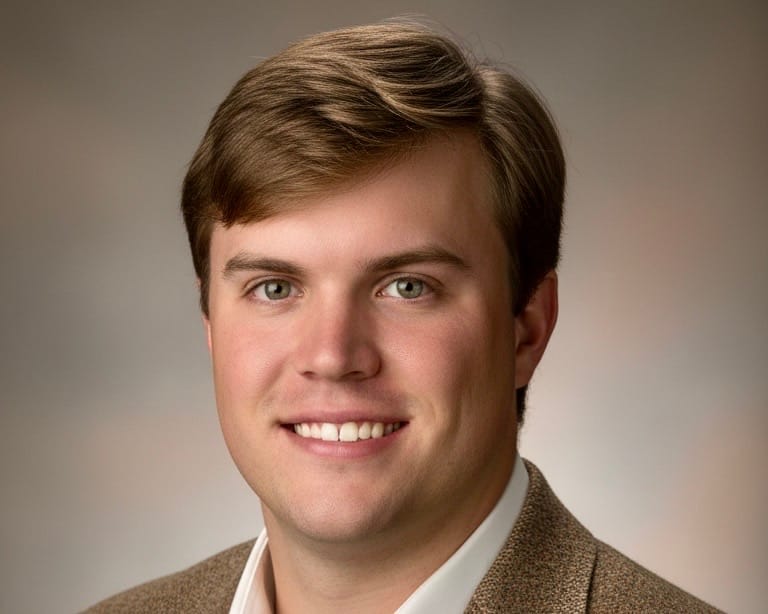
Guest Opinion by Dale Shelton Deas, Jr, MD
Somewhere along the way, the people of Stockton, Alabama, stopped being citizens with a voice and became the fine print in a contract between a monopoly utility and a Big Tech company. And nobody bothered to tell them.
Let me lay out the facts, not opinions, not talking points, just what the public record shows.
A Deal Done in the Dark
On November 12, 2025, Alabama Power submitted a proposal to the Alabama Public Service Commission (PSC) for two massive solar installations: Stockton I, an 80‑megawatt facility, and Stockton II, at 180 megawatts. Just seven days later, on November 19, the Commission's staff recommended approval. By December 2, the full Commission voted unanimously, with no discussion, to approve 25‑year power purchase agreements for the entire 260‑megawatt project.
No public hearing. No town hall. No formal comment period. The residents of Stockton, the people who will live next to more than 4,500 acres of industrialized land, had no meaningful chance to be heard before the deal was done. Even Baldwin County Commissioner Matt McKenzie admitted the project caught them off guard: "We don't like the fact that, you know, this all of a sudden came about".
The PSC later claimed a preliminary submission had been made on October 1, 2025, but its own December 2 approval order states that Alabama Power "submitted its proposal" on November 12. When pressed, the Commission said the November 12 filing "did not reset the clock". Regardless of which date one picks, the result is the same: the people of Stockton were never invited into the room.
Follow the Power and the Money
Under the approved contracts, Alabama Power will purchase all 260 megawatts of electricity generated by the Stockton solar farms, which will be constructed, owned, and operated by Silicon Ranch. One hundred percent of the output is subscribed by Dotier LLC, a corporate subsidiary of Meta Platforms, Inc. Dotier retains all of the renewable energy credits so that Meta can claim its 1.5 billion dollar hyperscale data center campus south of Montgomery runs on "100 percent clean and renewable energy".
Read that again: a project in Baldwin County, clearing and industrializing thousands of acres near the ecologically irreplaceable Mobile‑Tensaw Delta, does not exist to lower a single electric bill in Stockton, Baldwin County, or anywhere in south Alabama. It exists so that a Silicon Valley corporation can stamp "green" on a data center 150 miles away. Alabama Power is not a bystander in this arrangement. Alabama Power asked for these contracts, submitted them to the PSC, and will connect the project to its grid. Alabama Power is the mechanism that makes the entire deal work.
One Rule for Big Tech, Another for Alabama Families
Here is where the pattern becomes impossible to ignore.
The same Alabama Power that is fast‑tracking 4,500 acres of utility‑scale solar for Meta has been penalizing regular Alabama families for putting panels on their own rooftops. Since 2013, Alabama Power has charged residential solar customers a monthly fee, originally 5 dollars per kilowatt of installed capacity, since increased to 5.41 dollars per kilowatt. For a typical 5‑kilowatt home system, that adds roughly 27 dollars per month, around 325 dollars per year, and approximately 9,000 dollars in additional costs over a 30‑year system lifespan. That fee wipes out about half of the savings a family would otherwise expect from going solar.
This is one of the highest such charges in the country. Two FERC commissioners wrote that the PSC may be "violating the Commission's PURPA regulations" by allowing it. The Southern Environmental Law Center filed suit in federal court in 2021 on behalf of Alabama Power customers, calling the fee "punitive and discriminatory". In 2024, a federal judge refused to dismiss the case, allowing it to proceed on its merits.
So the message from Alabama Power is clear: if you are Meta, you get a 25‑year sweetheart deal fast‑tracked in 20 days. If you are an Alabama family trying to put a few panels on your roof to shave a few dollars off your electric bill, you get taxed for the privilege.
The Highest Bills in the Country and No Accountability
All of this is happening while Alabama Power's customers already pay some of the highest total electric bills in the nation. An analysis found that Alabama's average residential electric bill hit 242 dollars in July, consuming 4.36 percent of the state's monthly median household income, the highest energy burden in the country. Alabama households pay an average of roughly 173 dollars per month overall, among the very highest in the United States. A scathing report from the Arise Citizens' Policy Project found that Alabama's regulatory system "stands out among the states for its lack of transparency and how inequitably it tips the scales in favor of the utility's profits over affordability for customers".
The PSC, the very body that approved Stockton in less than three weeks, has been criticized for decades for failing to conduct meaningful on‑the‑record public proceedings to review Alabama Power's rates or resource planning. One veteran utility analyst with nearly 40 years of experience said he had "never seen anything like the set‑up in Alabama". The cozy relationship between the PSC and Alabama Power has historically allowed the company to earn a return on equity far above the national average.
This is the system that approved Stockton. This is who was in the room.
What This Is Really About
This fight is not about whether you are "for" or "against" solar energy. I believe in an all‑of‑the‑above energy strategy that serves Alabama families first. This fight is about who has a seat at the table and who gets used.
Alabama Power and Meta got a fast‑tracked deal. Stockton got cut out of the conversation and stuck with the land‑use and environmental consequences next to one of the most biodiverse delta ecosystems in North America, the Mobile‑Tensaw Delta, home to over 350 fish species and hundreds of bird species, often called "America's Amazon". State Senator Chris Elliott has publicly opposed the project, citing threats to wetlands and local waterways. The Mayor of Spanish Fort warned that environmental impacts could reach well beyond Stockton. Mobile Baykeeper has called out the developer's lack of transparency regarding environmental studies. Hundreds of residents have organized under the banner "Stop Solar in Stockton," and many say they had no idea the project existed until after the PSC vote in December.
The Baldwin County Commission itself has said it lacks the authority to regulate land use on private property in unincorporated, unzoned areas under Alabama state law. So the county cannot stop it, the PSC says it has "no statutory authority" over siting or land‑use impacts, and the residents were never given a hearing. Who, exactly, is speaking for Stockton?
The Fight That Matters
If you want Stockton's voice back in this process, the fight is not only with Silicon Ranch and Meta. It is with the Alabama Power PSC system that approved this project without the people of Stockton in the room.
As your next United States Senator, I will fight for transparency and accountability in how Alabama's energy decisions are made. I will push for reforms that require meaningful public input before massive land‑use and energy deals are rubber‑stamped. I will demand that the interests of Alabama families come before the greenwashing ambitions of Big Tech corporations. And I will stand with the people of Stockton, Baldwin County, and every Alabama community that has been told to sit down and be quiet while the powerful cut their deals.
Alabama Power is not on the sidelines of this problem. Alabama Power is the problem. And it is time we said so, out loud.
Dr. Dale Shelton Deas, Jr, MD is a cardiac surgeon, biomedical engineer, federal whistleblower, the Founder & CEO of American Truth Defense, LLC, and a candidate for the United States Senate in the May 19, 2026 Alabama Republican Primary.
For more information about Deas and his campaign, visit https://americantruthdefense.is or follow him on Facebook.
Opinions do not reflect the views and opinions of ALPolitics.com. ALPolitics.com makes no claims nor assumes any responsibility for the information and opinions expressed above.