Alabama Removes 186 Noncitizens From Voter Rolls
Alabama’s Secretary of State directs removal of 186 noncitizens from voter registration list; 25 are found to have cast ballots illegally
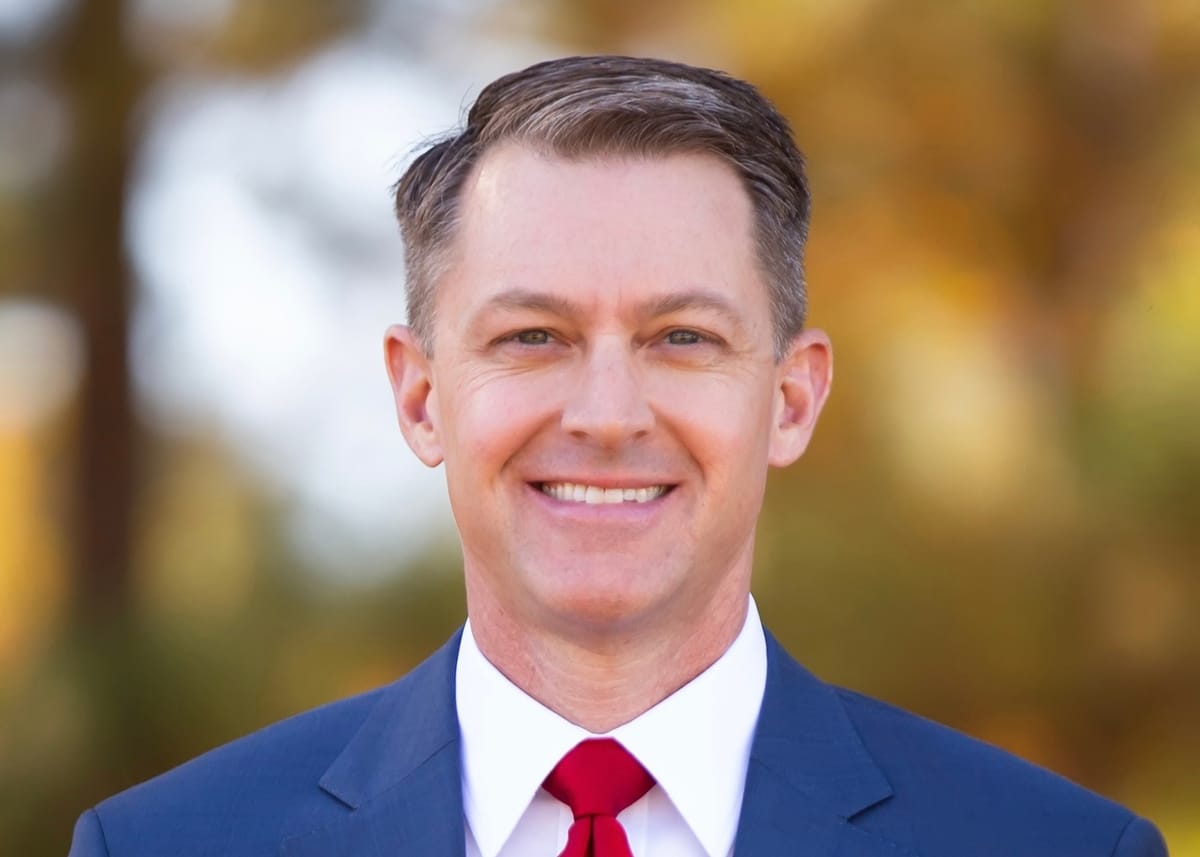
Alabama Secretary of State Wes Allen has announced the removal of 186 noncitizens from the State’s voter registration rolls following a review using federal immigration data.
The discovery came after Allen’s office used the United States Citizenship and Immigration Services’ SAVE (Systematic Alien Verification for Entitlements) program to check citizenship status against Alabama’s voter file. Officials say all 186 noncitizens have now been taken off the list.
State records show that 25 of those removed were not only registered illegally but also cast ballots in past elections.
Each individual identified through the SAVE system was notified and given a chance to prove U.S. citizenship. Those who failed to provide acceptable documentation were removed from the voter rolls at the direction of Allen and local registrars.
Allen said the effort reflects a commitment to secure elections. “Our elections must be decided by American citizens and only American citizens,” he said in a statement. “While liberal organizations and media outlets claim noncitizen voting is not a problem, my office has proven otherwise.”
The Secretary of State’s office plans to refer the findings to local, State and federal law enforcement for further review and any appropriate action.
Despite these removals of noncitizens from voter rolls, Alabama officials say more work remains to ensure the integrity of the State’s voter registration lists. Since taking office, Allen has pushed to expand the State’s ability to track and remove ineligible voters through new tools and systems. In 2023, his office signed an agreement with the U.S. Department of Homeland Security to use the SAVE program to verify citizenship status in the voter file — a step he said was necessary because federal cooperation on noncitizen data had been limited in the past.
Allen also helped build a replacement for the interstate voter-data hub known as ERIC. The Alabama Voter Integrity Database (AVID) is a State-based system that pulls from multiple sources, including law-enforcement records, the U.S. Postal Service’s change-of-address list, Social Security death data and formal data-sharing agreements with other States. Officials say AVID has already identified hundreds of thousands of records that may be out of date, inaccurate or duplicated.
According to the Secretary of State’s office, AVID has flagged more than 1 million records for further review, including voters who have moved out of State, deceased individuals and registrations with missing or mismatched information. The system also places voters on inactive status when necessary and sends notices asking them to update their registration information under federal rules before eventual removal.
Still, the process is ongoing. Secretary Allen has urged continued cooperation with county Boards of Registrars and expanded data partnerships, and his office says it will keep using AVID and SAVE checks to screen new and existing registrations.
These steps are only part of the effort to secure Alabama’s elections. In May 2025, Governor Kay Ivey signed a pair of new laws aimed at strengthening controls around noncitizen voting and identification in Alabama. Senate Bill 158 makes it clear that foreign‑issued driver’s licenses cannot be used as acceptable photo ID for voting in the state, closing what officials called a “loophole” in earlier law. Senate Bill 63 requires law enforcement to collect and submit fingerprints and DNA from undocumented immigrants who are in custody, a move supporters say will speed identification and help match individuals to any existing criminal records. “Alabama is taking steps to protect our communities from impacts on public safety and the integrity of our elections,” Governor Ivey said at that time. Supporters of the new laws say the measures complement ongoing voter‑roll maintenance by reinforcing who may be counted at the ballot box and helping law enforcement better identify noncitizens with criminal histories.