
Alabama WIC Sees Record Drop After Government Shutdown
Alabama’s WIC program lost ~14,000 participants after federal shutdown, raising concerns about future funding, access to nutrition services
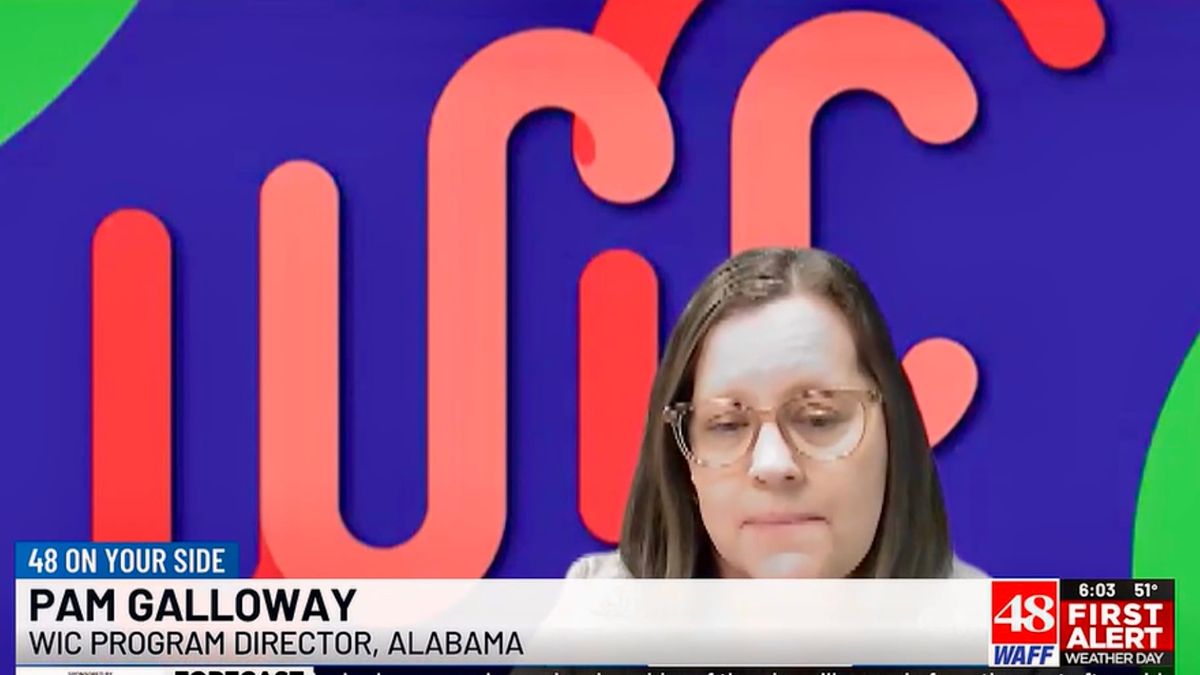
Alabama’s Women, Infants and Children (WIC) nutrition program is seeing a sharp decline in participation months after the federal government shutdown began in October. State health officials describe the drop as the lowest they’ve seen in recent history, WAFF is reporting.
Pam Galloway, Director of the Alabama WIC program, said roughly 14,000 people who previously used their benefits have not done so in recent months. The program served about 115,000 participants before the shutdown. Now enrollment is down to about 101,000.
“I’m really not sure what’s going on,” Galloway said. We do have some decreases throughout the year at times with participation, but we’ve really not seen it this low.”
Officials are unsure why so many families aren’t connecting with the program. Galloway suggested some people may have mistakenly thought WIC services were unavailable during the shutdown, even though they continued.
Another possibility is that the drop may reflect the exit of people who were improperly enrolled or misusing benefits before recent federal and State verification changes. Over the past several years, WIC agencies nationwide have tightened eligibility checks and transaction monitoring to curb fraud and abuse. While health officials stress that WIC remains fully available to qualified participants, they acknowledge that stronger oversight may account for a portion of the current decline.
Participation affects federal funding levels because WIC dollars are tied to how many eligible people use the benefits and redeem food vouchers. Galloway said lower participation could reduce funding next year and limit services.
WIC offers more than food. The program provides nutrition education, breastfeeding support and referrals to health services. But many participants are not contacting WIC to have benefits issued to their E-WIC cards, meaning they miss those supports and supplemental foods.
To reverse the trend, WIC plans more outreach. Galloway said staff will work through local health departments and use tools like the WIC Shopper app to send push notifications about available benefits. “We’ll also just be trying to be out and let people know that we’re here,” she said.
The program has also updated its food packages to include more options, such as plant-based milks, tofu and additional whole grains, along with greater flexibility for using cash-value benefit dollars on fresh or frozen fruits and vegetables.
For more information on the Alabama WIC program, go to https://www.alabamapublichealth.gov/wic/.