Berlin Wall’s Fall Marks 37 Years on Nov. 9
The divided city’s border opened in 1989 after decades of communist rule, separated families and deadly efforts to keep East Germans from leaving
TL;DR: Nov. 9 marks 37 years since the Berlin Wall opened, a turning point in the Cold War. The anniversary recalls the people who challenged communist rule and the lives lost along the border.
For 28 years, the Berlin Wall split families, sealed off neighborhoods and stood as a stark symbol of communist rule. On Nov. 9, 1989, crowds of East Germans crossed a border their government had spent decades guarding with guns.
Monday marks the 37th anniversary of that night, when the opening of Berlin’s checkpoints changed the course of Europe. While the concrete remained in place in many spots, its power to hold people captive had broken. HISTORY.com recounts how crowds poured into West Berlin and began chipping away at the barrier with whatever hand tools they could find.
The wall reflected the split in ideologies that followed World War II. The United States, Britain, France and the Soviet Union occupied separate zones of Germany. Berlin, deep within the Soviet zone, was also divided among the four powers.
As the Cold War took hold, West Berlin became a route out for East Germans seeking freedom and better lives. Millions left the Eastern part of the city, until Aug. 13, 1961, when East German forces sealed the border with barbed wire. Concrete barriers and a heavily guarded border system followed, cutting through daily life with little warning.
The human cost reached far beyond the families kept apart.
The Berlin Wall Foundation documents at least 140 people who died at the wall or in direct connection with the East German border regime between 1961 and 1989. That toll includes people trying to escape, people with no escape plans and border guards. It does not represent all deaths along the separate border between East and West Germany.
By 1989, East Germany’s leaders faced mounting pressure to relax the border. Peaceful protests grew. Citizens fled through other countries. Soviet leader Mikhail Gorbachev’s reforms helped change the political climate, while East Germany’s weak economy deepened public anger.
Then came a confused news conference.
On Nov. 9, East German official Günter Schabowski announced new travel rules. Asked when they would take effect, he said they applied at once, though border guards had not received clear orders to carry them out. News spread, and crowds gathered at the crossings. Late that evening, guards began letting people through.
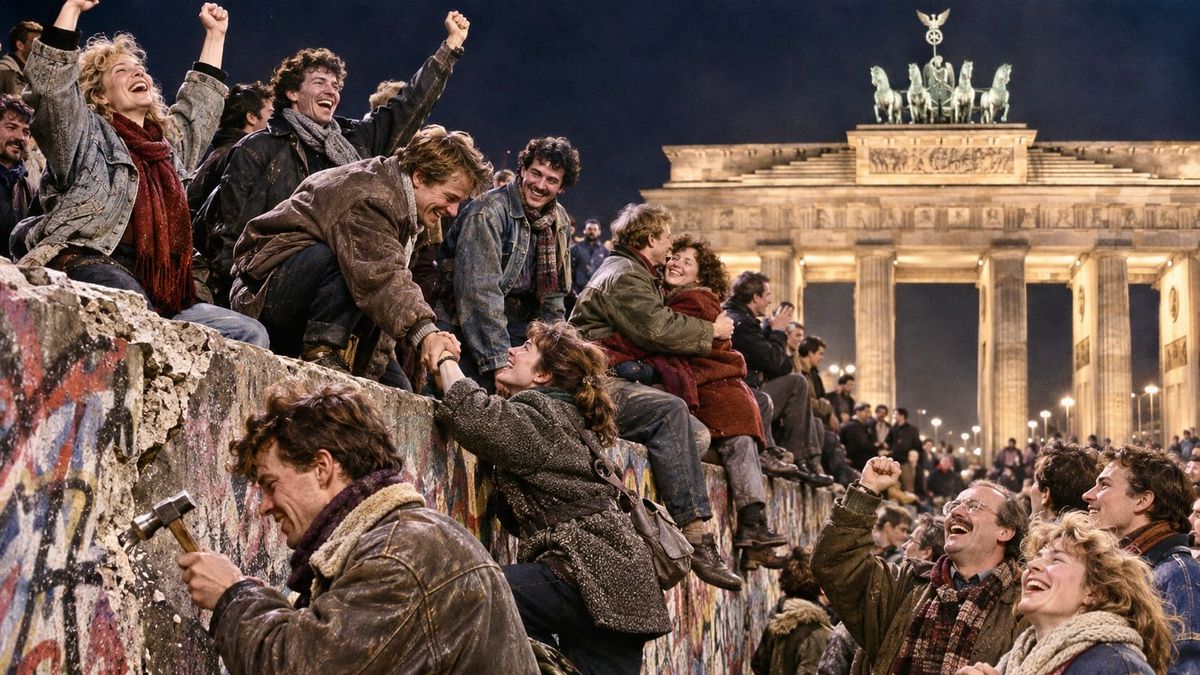
People embraced and celebrated. Some climbed atop the wall. Others brought hammers and chisels and attacked the wall. Around the world, television stations broadcast the event live.
The scenes gave life to a demand President Ronald Reagan had made at the Brandenburg Gate on June 12, 1987.
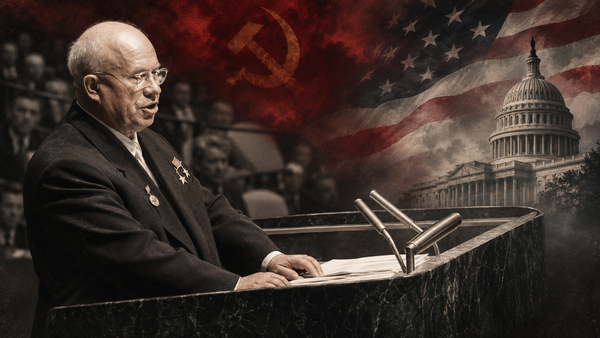
“Mr. Gorbachev, open this gate! Mr. Gorbachev, tear down this wall!” Reagan said.
The opening came amid years of Western pressure, Soviet reforms and growing resistance within East Germany. It cleared a path toward German reunification, which became official on Oct. 3, 1990.
The date also became the basis for World Freedom Day. President George W. Bush proclaimed Nov. 9, 2001, as World Freedom Day to honor the wall’s fall and the spread of freedom. Days of the Year lists the observance each Nov. 9.
Thirty-seven years later, the anniversary marks both a moment of joy and a history of loss: the border finally opened, but many who had tried to cross it never lived to see that night.