Choices Matter for the Alabama PSC – More of the Same or a Fresh New Voice
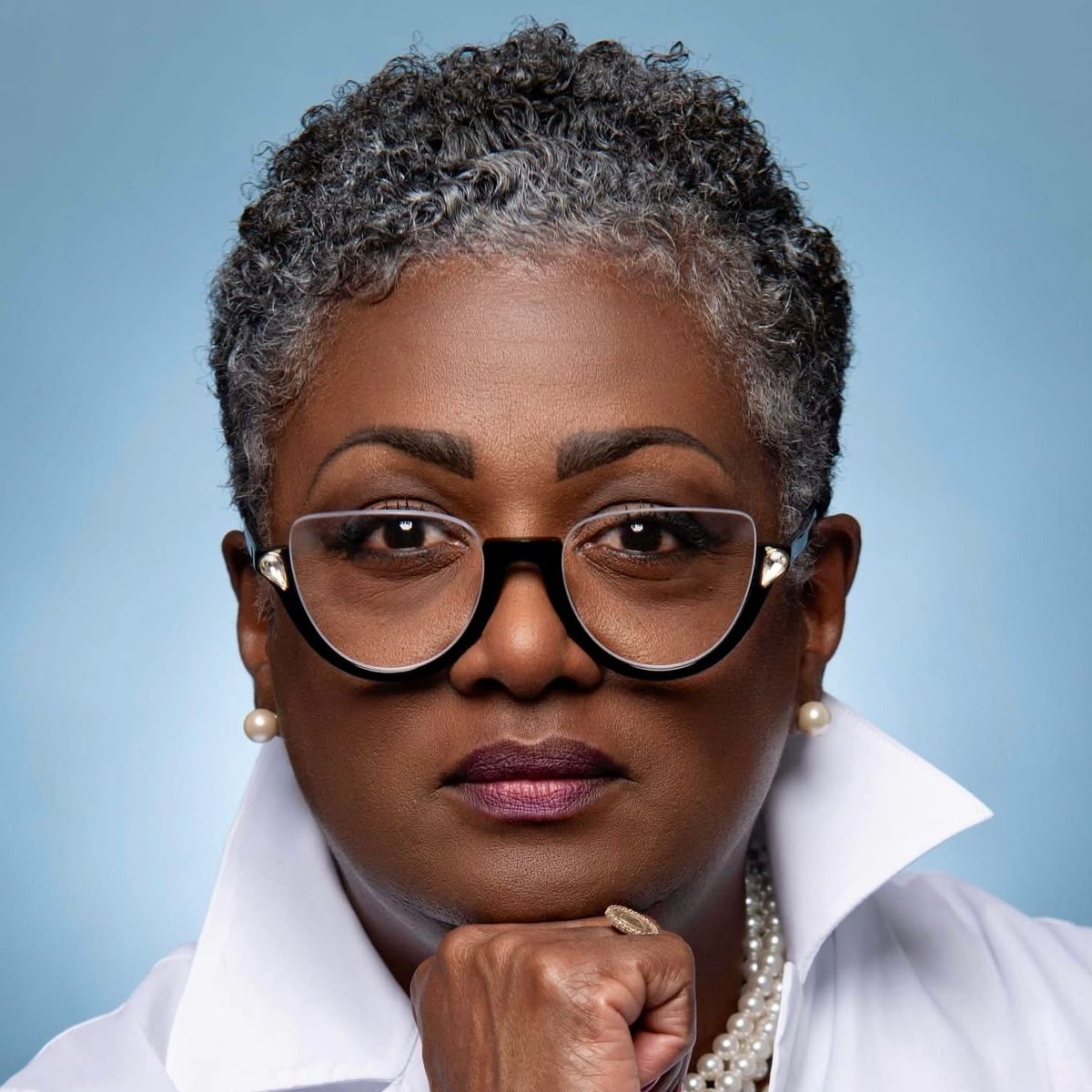
Guest Opinion by Sheila McNeil, Candidate for Alabama PSC Place 2
Op-Ed:
Guest Opinion by Sheila McNeil, Candidate for Alabama PSC Place 2
Alabama stands at a crossroads. Like much of America, we are living through a moment defined by rising costs, political dysfunction, and a growing sense that the systems meant to protect us are no longer working.
The Alabama Public Service Commission is one of the clearest examples of how our state has drifted toward crisis and how urgently we need a course correction.
This is a state with extraordinary potential. We rank 14th in national energy production, yet too many families struggle to keep the lights on. We build the rockets that carry America into space, yet our schools rank 44th.
We attract billion-dollar industries, yet our economy ranks 36th, and our healthcare system ranks 40th. These contradictions are not the result of a lack of talent, resources, or hard work. They reflect leadership that has not consistently put the people of Alabama first.
Even Alabama’s own elected officials have acknowledged the seriousness of the problem. Senator Katie Britt recently stated, “Our electrical rates are the highest in the southeast.” Independent national data shows that Alabama’s electricity rates are the third-highest in the entire country. For a state that produces so much energy, this reality is difficult to justify.
Meanwhile, our neighbors in Georgia have shown what happens when voters demand accountability. In 2025, Georgia’s Public Service Commission underwent a historic transformation. After years of public frustration over rising utility bills, opaque rate cases, and the ballooning costs of major projects like Plant Vogtle, Georgians pushed for change. The result was a Commission more responsive to public concerns about transparency, affordability, and oversight. Georgia did not get there overnight. It happened because residents refused to accept a system that was not working for them.
Alabama, however, is moving in the opposite direction.
In 2026, our legislature passed HB 475, a sweeping restructuring of the Public Service Commission. Instead of expanding public access or strengthening oversight, HB 475 consolidated authority, reduced transparency requirements, and altered internal PSC processes in ways that critics argue make it harder for the public to understand or influence decisions. The bill moved quickly, with limited public debate, despite its enormous implications for how utility regulation will function for years to come. At a time when Alabamians are already paying some of the highest electricity bills in the country, HB 475 makes it even harder for the public to see how decisions are made or to hold regulators accountable.
That is why I filed a federal lawsuit challenging HB 475. When a law restructures an entire regulatory body in the middle of an active election, after candidates have qualified, paid their fees, and begun campaigning, it raises serious constitutional concerns. My lawsuit argues that HB 475 disrupts the electoral process, undermines equal protection, and threatens the voting rights of Alabamians who deserve a stable, transparent, and fair system of utility oversight. This is not just a legal fight. It is a fight for every family struggling with high bills, every community demanding accountability, and every voter who expects the rules of an election to remain consistent from start to finish. HB 475 is more than a policy disagreement. It is a fundamental question of whether Alabama’s government will operate in the sunlight or behind closed doors.These are serious times, and serious times demand serious leadership. Not excuses. Not distractions. Not more of the same. We must ask ourselves:
Is your life better? Are your utility bills lower? Are your children receiving the education they deserve? Are you more hopeful about Alabama’s future?
If the answer is no, then it is time to stop settling.
Many Alabamians have already seen cuts to SNAP and Medicaid. Families are struggling under rising utility costs. Seniors are worried about threats to Social Security and Medicare. Veterans, farmers, and small businesses are navigating economic pressures without the support they need.
When is enough enough?
Alabama cannot afford the status quo. Our state has waited long enough for leadership that reflects the full strength, diversity, and potential of its people. Real change is not about protecting entrenched interests or maintaining old power structures. Real change is about making life better for every Alabamian, including working families, seniors, veterans, farmers, small business owners, and young people who deserve a future right here at home.
Our diversity of experience, geography, background, and perspective is one of our greatest strengths. When Alabama embraces that diversity, we win. History proves it. Alabama football did not become a national powerhouse until it opened its doors to every athlete capable of contributing to excellence. When we include more voices, we build stronger teams, stronger institutions, and a stronger state.
Alabama has everything it needs to lead. What we’ve lacked is leadership willing to put the people first. It is time to stop accepting less than we deserve. It is time to move forward with policies rooted in transparency, accountability, and fairness. It is time for a fresh new voice committed to building a better Alabama that works for all of us.
Sheila McNeil is the Democratic nominee for Alabama Public Service Commission Place 2 in the 2026 election. In her campaign for the Public Service Commission, McNeil has emphasized fair utility rates, reliable service, transparency, and accountability in utility regulation. She says her goal is to ensure Alabama consumers have a stronger voice in decisions affecting utility services across the state.
For more information on McNeil and her campaign, visit https://mcneilforpsc2.com.
Opinions do not reflect the views and opinions of ALPolitics.com. ALPolitics.com makes no claims nor assumes any responsibility for the information and opinions expressed above.