Experience Matters: Leadership, Transparency, and the Future of Alabama’s Republican Party
Merrill brings a long track record of public service and political involvement across Alabama.


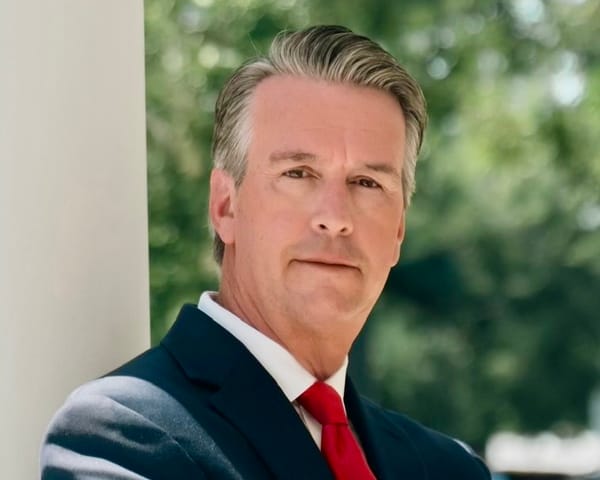
On this episode of Sweet Tea and Politics, I sat down with former Alabama Secretary of State John Merrill to talk about the future of the Alabama Republican Party, election integrity, and what it takes to lead in a time when grassroots conservatives want to know their voices matter. One theme kept coming up throughout the conversation: experience matters.
Merrill brings a long track record of public service and political involvement across Alabama. When we talked about election integrity, he emphasized something that often gets overlooked in today’s heated political environment—the importance of evaluating each election cycle and improving the process through transparency and accountability. Merrill explained that reviewing what happens across Alabama’s 67 counties and hundreds of municipalities after each election is the best way to determine what improvements need to be made moving forward.
That kind of systematic approach reflects the value of experience. Elections aren’t managed by slogans; they’re managed by people who understand the system, know where the weaknesses are, and are willing to work through the details to fix them.
Another major point Merrill discussed was the need to reconnect the party with grassroots activists. Across Alabama, many conservative voters and volunteers want to know that their voices are heard inside the party structure. Merrill used a football analogy that many Alabamians can appreciate—there may only be one quarterback, but every player on the field has a role to play. The key, he said, is identifying people’s talents and giving them meaningful ways to contribute to the party’s success.
That message resonates with conservatives across the state. The strength of the Republican Party has always come from local involvement—county committees, church groups, civic clubs, and community leaders who step up and take responsibility for shaping the future of their communities.
Merrill also addressed something many Republicans recognize: internal divisions within the party. His solution was simple but important—focus on the shared principles that unite conservatives. Those principles include limited government, fiscal responsibility, and expanding opportunity for Alabama families. Even when disagreements happen, the goal should remain the same: elect strong conservative leaders who can govern effectively.
Transparency was another major theme. Merrill stressed that rebuilding trust requires open financial reporting, independent audits, and clear communication about how party resources are used. When donors and activists can see where money is coming from and how it’s being spent, confidence in leadership grows.
Finally, Merrill highlighted the importance of recruiting the next generation of conservative leaders—starting at the community level. Churches, civic organizations, and local groups are often where natural leaders first emerge. Encouraging those leaders to step into politics strengthens the party for the long term.
At the end of the day, our conversation came back to the same idea: experience matters. Leadership isn’t just about winning elections—it’s about building systems, strengthening trust, and preparing the next generation to carry the conservative movement forward.
And here in Alabama, that work starts at the grassroots.
Listen to this episode of Sweet Tea & Politics HERE.