From Surviving to Healing: Reforming Alabama’s Victim Compensation System
Reforming Alabama’s Victim Compensation System—Guest Opinion by Andrew Stahl
Guest Opinion by Andrew Stahl
When violent crimes happen in this country our first instinct is to talk about justice. We talk about Indictments, arrests, prosecution, and sentences. We list all the ways to punish the offender. And all those conversations are important. But there’s something we don’t ask nearly enough. What happens after the crime is over?
In Alabama, the answer is extremely uncomfortable. Our state’s victim compensation system was designed to help victims rebuild their broken lives. Now, it's outdated, underfunded, and inadequate for the reality victims face. While it was created with good intentions, it hasn’t kept pace with the cost of recovery. It’s capped at $15,000, leaving victims to choose between recovery and financial stability.
When I was a child, I experienced something no other child should experience. I was sexually assaulted at the hands of someone who was supposed to protect me. Like many victims, my trauma didn’t end when the abuse stopped. For years it stayed with me, shaping every part of my life. After my outcry, I was able to pursue therapy, emotional recovery, and the long process of trying to move forward. That kind of healing isn’t simple. It takes time, consistency, and professional help. Therapy, medical care, and support are not luxuries, they are necessities.
Yet in Alabama, victims of violent crime can receive only limited financial support through the state’s compensation program. The system will cover certain expenses, like medical bills, counseling, and lost wages, it does so with strict caps and limitations that often fall short of what victims need and deserve.
Trauma recovery can take years for many survivors, especially those of long-term abuse. Therapy alone can cost thousands of dollars annually. Add in medical care, relocation costs for safety, and lost income, the cost is overwhelming. Victims should not have to choose between healing and financial survival. Yet, too often, they do.

This is not about politics. This is not about Republicans or Democrats. This is about priorities. Alabama has taken important steps in holding offenders accountable. But accountability should not stop at the punishment, it should extend to restoration. A justice system that focuses only on the offender while neglecting the victim is incomplete. Reforming our victim compensation is not radical. It’s responsible.
First, Alabama needs to raise the compensation caps, so they reflect the real costs of healing in today’s world. Because trauma does not come with a $15,000 price tag, and what may have been sufficient years ago is no longer enough.
Second, we need to ensure long-term access to mental health care for victims, especially victims of childhood trauma. Healing is not a short-term process, there are setbacks, there are triggers, and our policies should reflect reality, not punish it.
Third, the application process should be simplified. Victims should not be forced to navigate a complicated system while dealing with trauma. Accessing help should be straight forward, not another obstacle.
Fourth, Alabama needs to extend strict deadlines placed on victims seeking help. This system is not built for healing, it's built for survival. It's built on paperwork, deadlines, and technicalities, things that don’t take into account the reality of trauma. Right now, victims must report the crime within 72 hours and file for compensation within one year. Those are unrealistic timelines, victims deserve time to process what happened to them and truly understand how to move forward. With those short strict deadlines, victims feel hopeless.
The system we have now is not survivor centered, its bureaucratic pressure placed on families at their most vulnerable moments. States all over this country have already begun to modernize their victim compensation systems. Alabama should not fall behind.
Supporting Alabama’s victims is not a partisan issue. It’s a moral one. If we believe in law and order, we must also believe in helping those who have been harmed by lawlessness. If we believe in justice, we must believe in making victims whole, not just punishing those who hurt them. Because justice isn’t just about what happens in a courtroom. It’s about what happens afterward. It’s about ensuring survivors can access the care they need, rebuild their life, and move forward with strength and dignity. And right now, in Alabama, too many cannot.
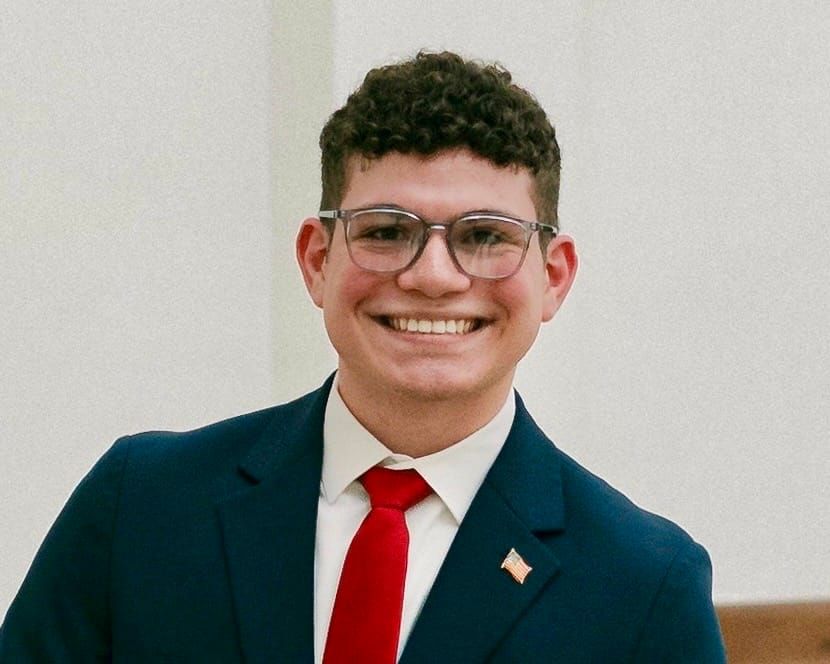
Andrew Stahl is a Sophomore at the University of Alabama, a child survivor of sexual assault, and an advocate for victims all over the country.
Opinions do not reflect the views and opinions of ALPolitics.com. ALPolitics.com makes no claims nor assumes any responsibility for the information and opinions expressed above.