Have Young Adult Books Become Too Sexualized?
Literature for teens is flooded with sexual content that would be intense at any age. As a result, books are being banned all over the country. Is a book rating system the answer?
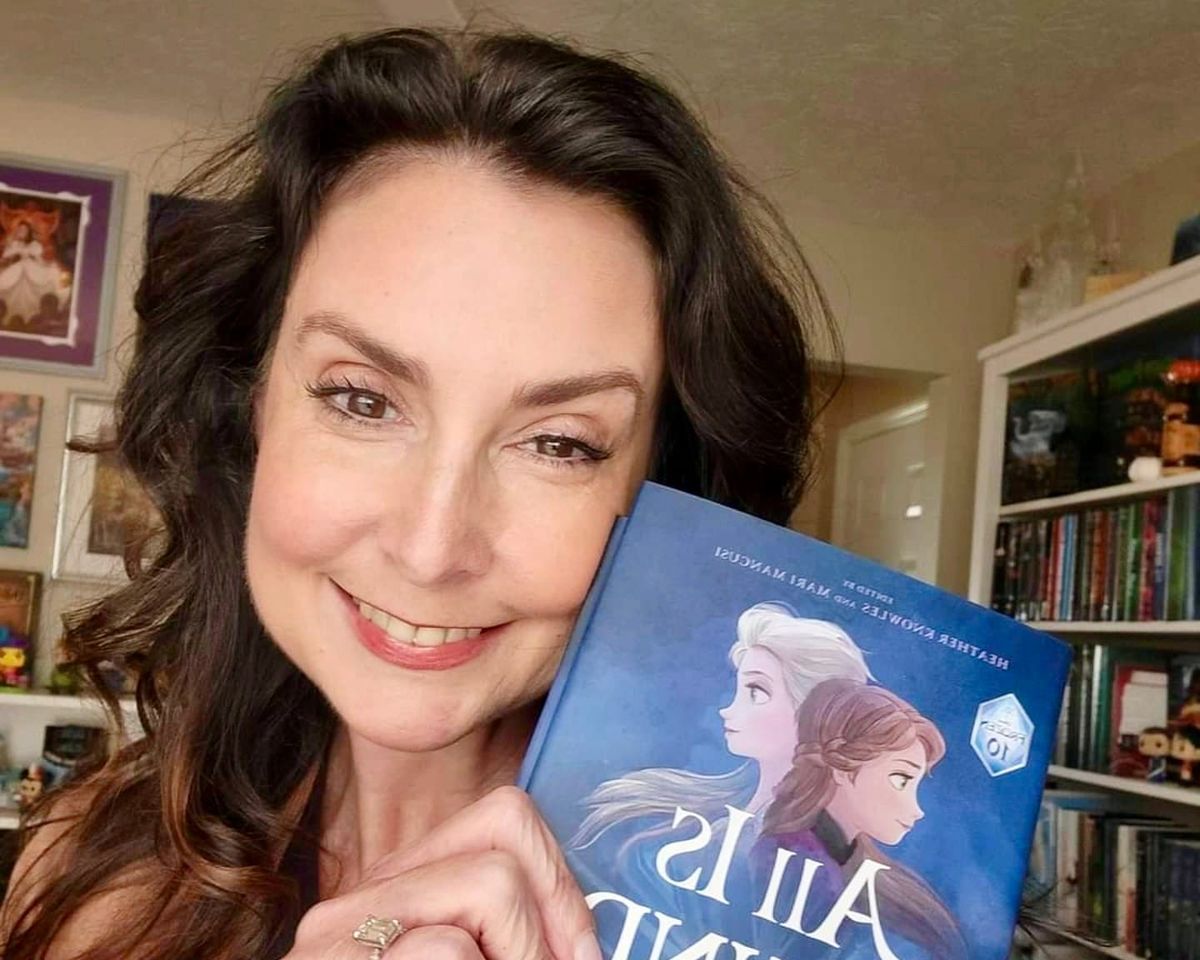
Guest Opinion by Lorie Langdon
Books have POWER. More than any other form of media.
Watching a film is a passive activity. But reading is active. Our brains take the words we read and create imagery, sounds, and meaning. These unique mental interpretations carve new neural pathways in our brains, almost as if we are experiencing what we are reading first-hand.
For many, especially young readers, books leave indelible impressions that shape how they see the world and themselves.
Young Adult fiction is a category of books written for teens with protagonists ranging in age from thirteen to eighteen. This category of literature is promoted in bookstores, school libraries, classrooms, and on social media algorithms for teens and parents of teens. In recent years, the content had become more graphic in language, violence, deep emotional trauma, and explicit sexual descriptions. Publishers have found that books that ‘push boundaries’ sell better not only to teens but to adult readers as well. ‘Young Adult’ as a genre used to mean the content was appropriate for that age group. Now, those lines have blurred, and it’s about to get much worse.
When the Problem Hits Too Close to Home
This past October, my literary agent attended the Frankfurt Book Festival—one of the largest gatherings of publishing professionals in the world—and was told by every editor that they only wanted books with descriptive sexual content for their young adult imprints. These editors were from the U.S., as well as Europe.
When my first YA book, DOON, was released in 2013, I had a nine-year-old girl who devoured the series and attended my book events in multiple states. Many children with advanced reading levels are encouraged to read above their grade level. Which brings up the concern that has remained unaddressed in publishing—should adult authors who are pushing the envelope be the ones to introduce their interpretation of sex to minors?
I recently posted a video on Instagram where I talked about my conversation with my agent and the current state of YA publishing. I had an overwhelming response. To date, that video has received over thirty-seven thousand views and hundreds of comments. 99% of those comments expressed outrage with publishers requiring sexual content for their young adult imprints.
The Current Landscape of YA Books
Sex and horror sells. At the time of writing this article the #4 New York Times best-selling young adult book contains descriptive depictions of a ‘threesome,’ erotic asphyxiation, child torture, and sexual violence, among other mature themes. This book was named Target’s YA book of the year and received prominent placement in the children’s book section at every Target store nationwide.
If publishers want to push boundaries and add all the graphic, violent, erotic content they can imagine into books for minors, the least they can do is give a warning. Before that nine-year-old reads about romanticized stalking or grooming by a kidnapper and it changes the trajectory of their entire life.
A Viable Solution
Bookstores and libraries should be a safe place for parents and children to browse and shop together. Based on what publishers are seeking, young adult book content will become increasingly erotic in the coming years. Those in the publishing industry claim no responsibility, stating that parents should monitor what their children are reading. Let’s be honest, what parent has time to read every book before their child does?
Moreover, at what point should publishers be held accountable for putting damaging material in our children’s hands? At the very least, if they cannot be made to stop exposing minors to X-rated adult content (a punishable offense in every other circle of our society), they can institute a rating system.
Media such as TV, movies, video games, and even music have content ratings or warnings which guide consumers and allow them to make informed decisions regarding their consumption. We have ‘parental controls’ on our tv streaming apps, smart phones, tablets, and Wi-fi systems. Why not books?
Industry Standards Need to Change
It’s time for a sustainable solution that allows room for artistic freedom while protecting young readers and informing consumers. Let’s call for publishers to take responsibility for the content they print by instituting a standardized book rating system that is clearly displayed on every book cover.
We need to protect age-appropriate spaces for our children and teens to explore literature with books that nurture their imaginations without prematurely destroying their innocence. It’s time for us to take a stand and for the publishing industry to do better.
Sign the petition requesting a rating system for Young Adult books here: https://c.org/wPptNRfv2F
Lorie Langdon left the corporate world to pursue her life-giving passion of writing books to inspire the world. She is the author of the international Disney Villain series, Happily Never After, featuring legendary villains; Ursula/Vanessa, Gaston, Yzma, Captain Hook, and the Evil Queen. Her short story ANNA and THE KING can be found in the Frozen anthology, All is Found. Lorie is also an Amazon best-selling author of YA novels; the DOON Series, GILT HOLLOW, and OLIVIA TWIST, which was picked up by Target Stores across the nation and is contracted for film by Lonetree Entertainment. She is an international speaker who has been featured on such media outlets as; USAToday.com, NPR Radio, EntertainmentWeekly.com, RedbookMagazine.com, and Girl’s Life Magazine.
Opinions do not reflect the views and opinions of ALPolitics.com. ALPolitics.com makes no claims nor assumes any responsibility for the information and opinions expressed above.