House Passes Strong's Aviation Security Bill
Rep. Dale Strong's SAFEGUARDS Act clears the House, directing passenger security fees back to airport screening and TSA technology
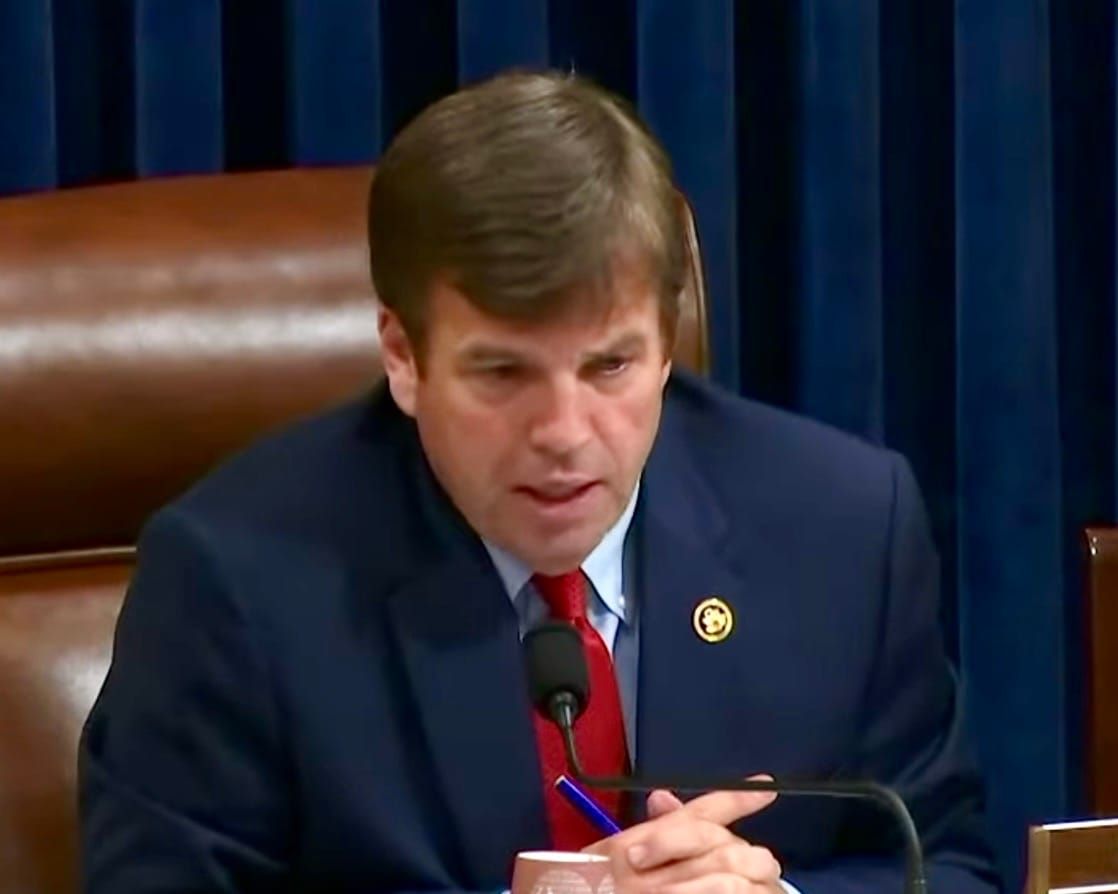
Congressman Dale Strong (R-AL-05) scored a significant victory in the U.S. House on Monday as lawmakers approved bipartisan legislation designed to ensure billions of dollars collected from airline passengers are spent on aviation security instead of being diverted to other federal programs.
The House passed H.R. 8770, the SAFEGUARDS Act of 2026 — short for the Spending Aviation Fees for Equipment, Guaranteeing Upgraded and Advanced Risk Detection and Safety Act. The measure now moves to the Senate for consideration.
Strong said the legislation restores the original purpose of the Transportation Security Administration's passenger security fee, which travelers pay with every one-way airline ticket.
"The SAFEGUARDS Act is about restoring accountability and keeping a promise to the American traveling public. Every day, millions of passengers pass through our nation's airports and pay a security fee with the expectation that those dollars will be used to strengthen aviation security," Strong said. "As threats continue to evolve, we must continue investing in the technologies and systems our airports need to maintain confidence in the safety of air travel."
The TSA's 9/11 Passenger Security Fee, currently set at $5.60 per one-way trip, was established to fund airport security improvements following the September 11 terrorist attacks. Over time, however, Congress redirected a substantial share of those collections to offset unrelated federal spending. According to Strong's office and the legislation, roughly $15 billion has been diverted from its intended purpose since 2014.
The SAFEGUARDS Act would dedicate the first $500 million collected each year to airport baggage screening systems, including explosive detection equipment, while the next $250 million would fund checkpoint technology upgrades and related security improvements. Those investments are intended to modernize screening equipment and improve passenger safety at airports nationwide.
Strong said the House vote represents an important step toward restoring confidence that passenger fees will be used as travelers expect.
"House passage of this legislation helps ensure those resources are directed toward their intended purpose, and I look forward to working with my colleagues to get it across the finish line," Strong continued.
The bill drew bipartisan support in Congress and backing from a broad coalition of aviation organizations, including Huntsville International Airport, Airlines for America, American Airlines, the U.S. Travel Association, Southwest Airlines, Airports Council International–North America, and the American Association of Airport Executives.
If approved by the Senate and signed into law by President Trump, the measure would require future passenger security fee revenue to be reinvested directly into aviation security infrastructure rather than used for unrelated government expenditures.