Huntsville Hospital’s Crestwood Takeover Is Now Complete And North Alabama Should Be Worried
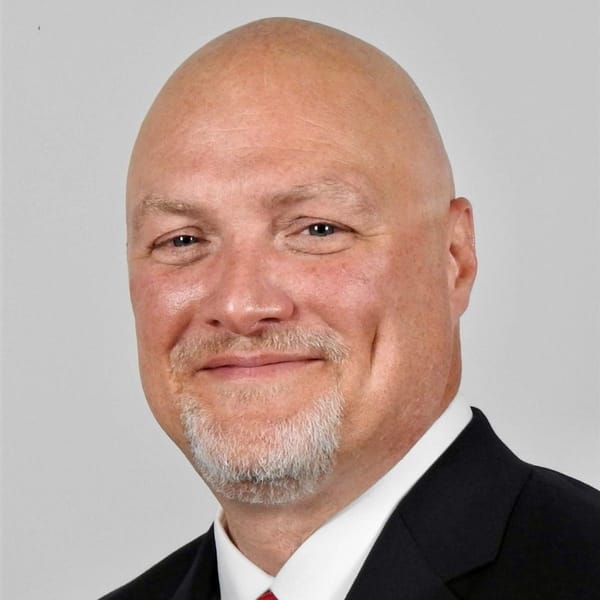
Guest Opinion by Dr. Dale Deas, Republican Candidate for U.S. Senate

It is official. As of April 1, 2026, Crestwood Medical Center is no longer an independent hospital. It belongs to Huntsville Hospital Health System and with that, every general acute care hospital bed within roughly 50 miles of downtown Huntsville now sits under a single roof. What hospital officials are calling a “community investment” is, by any honest measure of market structure, the completion of a healthcare monopoly. North Alabama’s patients, nurses, and healthcare workers deserve to know exactly what that means for them.
The Deal That Changed Everything
The $450 million acquisition, the largest hospital transaction in recent North Alabama memory, was announced in January 2026 and closed April 1. Huntsville Hospital Health System purchased substantially all assets of Crestwood Medical Center from Community Health Systems, Inc. (CHS), a for-profit Tennessee-based company. The acquisition includes the 180-bed Crestwood Medical Center, the Crestwood free-standing emergency department in Harvest, and associated outpatient clinics and ambulatory services.
Jeff Samz, President and CEO of Huntsville Hospital Health System, framed the deal as growth-driven: “Our community wants and deserves options for more locally coordinated services and care. Acquiring Crestwood allows us to coordinate and align healthcare resources across the community.” Huntsville’s population has grown by nearly 16% over the last five years, and capacity strain is real. No one disputes the community’s healthcare needs are expanding. The question is whether eliminating the only remaining competitor is the right answer, or whether it is simply the most convenient one for the acquiring system.
Then There Was One
The Huntsville Business Journal’s headline on the day the deal was announced said it plainly: “Then there was one.” That is not hyperbole. It is math. Huntsville Hospital Health System now operates 15 hospitals across North Alabama and into southern Tennessee. Its network employs more than 20,000 people and generates over $4.2 billion annually in regional economic activity. It is an institution with a century of service to this region. But size and service are not the same thing as competition. In a functioning healthcare market, patients should be able to choose. Employers should be able to negotiate. Insurance companies should have leverage. Workers should have options. As of today, in the Huntsville metro area, those mechanisms have been reduced to one. Advocacy organizations reviewing the deal before it closed noted that it would give HHHS “complete control over the inpatient general acute care sector in Huntsville,” a concentration level that federal regulators have previously acted to prevent elsewhere.

The FTC Precedent That Should Have Stopped This
This is not uncharted legal territory. In 2024, the Federal Trade Commission sued to block Novant Health’s $320 million acquisition of two North Carolina hospitals from the very same seller, Community Health Systems. The FTC argued that the deal would “raise prices and reduce incentives to invest in quality and innovative care.” The 4th U.S. Circuit Court of Appeals sided with the FTC, granting an injunction, and Novant ultimately abandoned the deal entirely. The parallel is striking and deliberate. The seller is identical: Community Health Systems. The argument is identical: a regional nonprofit consolidating acute care dominance in a defined geographic market. The projected harms are identical: higher prices, reduced innovation, diminished patient choice. The difference is that this time, in Alabama, federal regulatory scrutiny did not arrive with the same urgency, and the deal closed. That is a failure of oversight that patients in North Alabama will pay for, literally, for years to come.
What Monopoly Healthcare Does to Wages
There is a dimension of this story that rarely makes the front page but is felt every shift in every North Alabama hospital: what consolidation does to healthcare workers’ pay. The academic evidence is robust and damning. Research published in the American Economic Review, one of the most rigorous economics journals in the country, found that large hospital mergers within the same labor market led to wages for nurses and pharmacy workers being 6.8% lower than they would have been absent the merger, measured four years post-consolidation. For skilled healthcare workers, the figure was 4% lower across the same period. The mechanism is monopsony. When a single dominant employer controls the local labor market, workers lose bargaining power and wage growth stalls. Pre-merger, a Crestwood nurse dissatisfied with her salary could look across town. That option no longer exists in Huntsville’s acute care market. Community advocacy groups reviewing this deal before it closed cited exactly these concerns, noting that academic studies indicate hospital consolidations “typically result in further wage reductions” and that nursing compensation in the Huntsville metro area already lagged peer markets. Huntsville Hospital has announced compensation adjustments are “underway” as part of its transition communications. Words and announcements are welcome. Legally binding, publicly accountable wage commitments, the kind that can be audited and enforced, were never required as a condition of this deal. They should have been.
What Must Happen Now
The merger is closed. That is the reality. But closing a deal does not end the public’s right to scrutiny, nor does it terminate the responsibility of elected officials and regulators to monitor what happens next. Federal oversight must be ongoing. The Department of Justice Antitrust Division and the FTC retain authority to monitor post-merger conduct, including price increases and anti-competitive contracting practices. The question of whether this acquisition constitutes an illegal monopolization of the Huntsville acute care market under Section 2 of the Sherman Act is not closed simply because the transaction cleared its initial regulatory review. Congress should direct the appropriate agencies to conduct a post-closing competitive impact review within 18 months. Price and quality transparency must be mandated. One of the consistently documented harms of hospital consolidation is reduced price competition and slower quality improvement. North Alabama patients and employers deserve annual public reporting on pricing trends, quality metrics, and service availability at both legacy Huntsville Hospital and the newly integrated Crestwood facilities. Voluntary commitments are not accountability. Whistleblower protections must be strengthened. Healthcare workers who witness patient safety failures, billing irregularities, or retaliatory personnel actions are the last line of defense when institutional accountability breaks down. Federal whistleblower statutes, including those within the False Claims Act and the National Labor Relations Act, must be robustly enforced in this newly consolidated system. Workers who speak up for patients should never fear for their jobs. Wage competition must be monitored. Given the peer-reviewed evidence that large, market-dominating hospital mergers suppress healthcare worker wages, Congress and the Alabama Legislature should explore requiring consolidated systems above defined market-share thresholds to file annual workforce compensation reports with state and federal labor agencies. Transparency is not a burden. It is accountability.
A Personal Note from the Author
I have stood in the operating room. I have taken the oath. I know what it means to put a patient’s life above institutional politics, above profit margins, and above administrative convenience. The healthcare workers of North Alabama, the nurses, the techs, the pharmacists, the aides working double shifts, deserve representation that has walked in their shoes, not just read about their struggles in a think-tank report. That is why I am running for United States Senate as a Republican from Alabama. When I arrive in Washington, I will use every available legislative tool, the Senate HELP Committee, whistleblower protection statutes, antitrust oversight authority, to make certain that consolidated health systems like the one that now controls Huntsville are held to the same standard of transparency and accountability we demand of every institution entrusted with public trust and patient lives. The Crestwood acquisition is complete. The monopoly is real. The fight for North Alabama’s patients is not over. It is just beginning.
Dr. Dale Deas is a cardiac surgeon and Republican candidate for U.S. Senate in Alabama. Follow his campaign at Dr. Deas For US Senate or follow him on Facebook.
Opinions do not reflect the views and opinions of ALPolitics.com. ALPolitics.com makes no claims nor assumes any responsibility for the information and opinions expressed above.