“Is good ol’ boy politics really a thing?”
“Unfortunately, yes”—Guest Opinion by Elijah Davidson
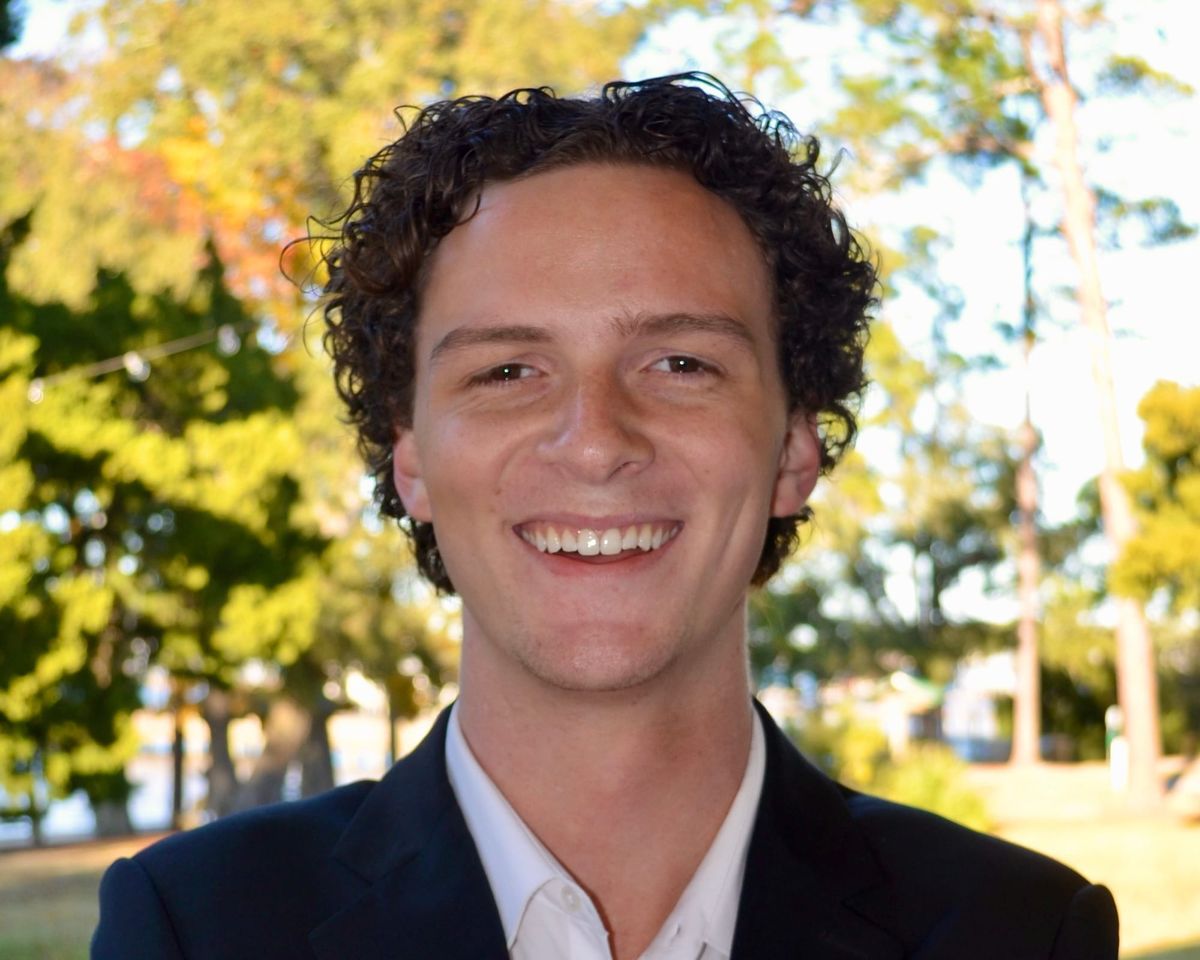
Guest Opinion by Elijah Davidson
In the seven years I have been active in conservative youth politics, I have been blessed to attend many conferences and events across the country. I have met people from many states, countries, and backgrounds, and one question I am frequently asked when I mention that I am from the great State of Alabama is this: “Is good ol’ boy politics really a thing?”
My answer has always been: unfortunately, yes.
For decades, Alabamians have heard the same complaint about Montgomery: decisions are made behind closed doors by a small network of insiders. That system—often referred to as the “good ol’ boy” network—persists because our state’s constitutional, political, and legislative structure allows it to.
Entrenched political networks—where those with the “right” connections and financial resources hold a monopoly on raw political power—have always existed in some way, shape, or form in many parts of America at the local, state, and federal levels. But in Alabama, their influence is often uniquely visible in ways that are less apparent in other states. If you grew up here, you have likely seen it firsthand. I know I have.
In the past, voters were willing to tolerate this system so long as the politicians within it delivered results: a decent quality of life and meaningful opportunities for themselves, their children, and their grandchildren. But now that those politicians are increasingly failing to deliver those results—both here in Alabama and across the country—people are getting fed up and looking for leaders outside the established circles of power who are willing to disrupt the status quo. At the national level, there is no better example of this phenomenon than President Trump.
As a candidate for State Representative running in Alabama House District 95 against what I believe is a prime example of this type of “good ol’ boy” political network, I have seen this sentiment firsthand while knocking on doors. People are frustrated—and they have every right to be. The question, then, is this: how do we end “good ol’ boy” politics and get people in power who use the authority of their office to serve citizens rather than themselves?
The first step, of course, is electing individuals who are willing to confront the problem regardless of the pushback they may face. One of my favorite poems is “No Enemies?” by the Scottish poet Charles Mackay. It contains a passage that I have always found particularly powerful:
“You have no enemies, you say?
Alas, my friend, the boast is poor.
He who has mingled in the fray
Of duty that the brave endure
Must have made foes. If you have none,
Small is the work that you have done.
You’ve hit no traitor on the hip,
You’ve dashed no cup from perjured lip,
You’ve never turned the wrong to right,
You’ve been a coward in the fight.”
We need leaders who understand that doing the right thing will make some people angry—and who are willing to do it anyway. One of the reasons I am running is because I never want it to be said of me that “you’ve been a coward in the fight.”
But electing one outsider, or even a large cohort, to the State Legislature is not enough. Actual change requires structural reforms to the constitutional and procedural framework of state government. There are several ideas that I believe could help bring about the kind of change necessary to end “good ol’ boy” politics. All of them are based on a simple premise: for that system to end, citizens must, in between the four year election cycle, have the power to force their elected officials to act and to intervene directly in the legislative process.
Ending the good ol’ boy system in Alabama requires two things: greater accountability and greater transparency. Good ol’ boy politicians thrive in Alabama because they can hide behind procedures and know that Alabama citizens’ don’t have the power to force action on public priorities outside of elections every four years.
The first and simplest reform would be to improve Alabama’s public records system so that any information not pertinent to an ongoing criminal case is available through proper procedures. Public access to government records should be the default, not the exception.
Another problem is the constant consideration of political fundraising. Because Alabama law allows state officials to raise campaign money year-round, lobbyists and special interests can donate at any time—often while legislation affecting their businesses or interests is under consideration. Even when no rules are technically broken, the perception of influence undermines the trust citizens have in their leaders. Which is why I believe that the second reform would be to adjust campaign finance laws for state-level officials so they may only raise campaign funds during a defined period close to an election. Limiting the fundraising period would help ensure that politicians spend more time governing and less time pandering to donors.
The third reform would be to strengthen the state ethics commission by granting it full investigative authority and the power to impose more substantial penalties for ethical violations.
The fourth—and, in my view, the most impactful—proposal would be to amend the Alabama Constitution to give citizens the power to propose statutes to the state legislature through a petition process and require lawmakers to vote on those proposals. Many states across the country have similar systems. While the details vary, the general model is straightforward: a legislative proposal receives the support of a required number of registered voters’ signatures, the proposal is then drafted into formal legislative language by a state authority such as the Legislative Services Agency, and the legislature must hold both an initial vote and a committee vote on the measure. In some states, if the legislature rejects a publicly proposed bill, it automatically goes to a statewide referendum at the next election. The specifics of such a system should be carefully debated and designed to fit Alabama’s unique character. But the principle is clear: ordinary citizens should have the power to require their elected officials not only to consider their priorities, but also to put their positions on those priorities on the public record.
There are plenty of good ideas that could help clean up Montgomery and move beyond the culture of entrenched and unaccountable politics. However, the ideas outlined above are reforms that could transcend political divisions, realistically pass into law, and meaningfully allow citizens to hold politicians accountable. Regardless of one’s opinion of the ideas I’ve put forward, I think most people will agree that if we fail to address the good ol’ boy system soon, our state risks falling even further behind in areas where we already struggle and losing the advantages we currently possess. The responsibility rests on all of us.
Good ol’ boy politics needs to end. Full stop.
If I am elected as State Representative for Alabama House District 95, I will use my voice, authority, and influence to do exactly that.
22 year old Elijah Davidson is a lifelong resident of South Baldwin County whose prior political experience includes leading the Turning Point USA chapter at Gulf Shores High School (which became the largest in the nation) and working for former Speaker of the House Newt Gingrich.
Davidson describes his top priorities as affordability and lowering the cost of living for all Alabamians. He is also running to implement term limits, reduce State legislators’ salaries, combat “good ol’ boy” politics, protect South Baldwin County’s coastal environment from harmful development practices, and support young people who are trying to buy their first home.
Davidson will face incumbent Frances Holk-Jones and businessman Joe Freeman in the May 19 Republican primary.
For more information on Elijah Davidson and his campaign, visit davidsonfordistrict95.com or follow him on Facebook.
Opinions do not reflect the views and opinions of ALPolitics.com. ALPolitics.com makes no claims nor assumes any responsibility for the information and opinions expressed above.