Loan Rule Change Threatens Nursing Programs
New federal limits on student loans will strain Alabama nursing schools, hospitals and patient care

New federal guidelines on what constitutes a “professional degree” are raising alarms across nursing schools, hospitals and medical education programs. The changes come from implementation of the One Big Beautiful Bill Act, which alters how graduate students can borrow federal loans and which degrees qualify for higher borrowing limits.
Under the act, the U.S. Department of Education’s updated list of professional degrees includes programs such as medicine, dentistry, pharmacy, law and veterinary medicine. Notably absent is nursing, a field that employs tens of thousands of Alabamians and plays a central role in hospitals and clinics across the State and nation.
Before the change, graduate students could borrow federal loans up to the full cost of their education. Now, students in degrees classified as “professional” can borrow up to $50,000 per academic year. Graduate students in other fields, including nursing, face a lower cap of $20,500 per year.
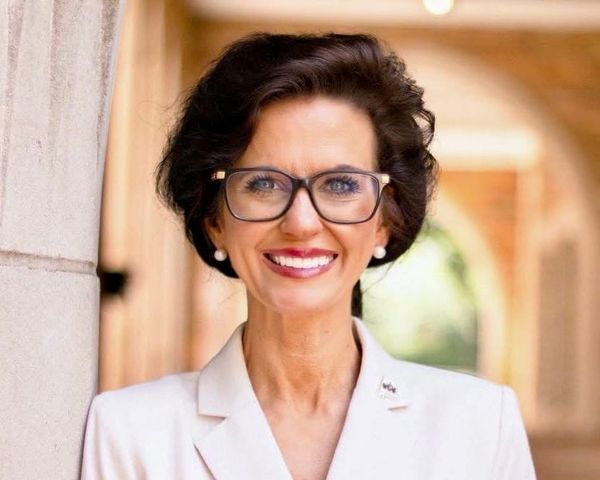
“I think we’ve been talking about that a lot over the last several years and I feel like this misses that mark,” said Laura Hart, Executive Director of the Alabama State Nurses Association.
Hart said the lower loan limit will make it harder for Alabama nursing students to cover tuition and living expenses as they complete hands-on clinical training required for licensure. “They need those extra caps to be able to get through their programs, pay their tuition. Some of it helps pay their living expenses while they’re in those programs,” she said. “You’re going to make those people less likely to be able to afford the education they need to do that.”
The changes are not limited to nursing. Higher-education policy experts warn that the new loan rules could impact advanced clinical training across allied health and behavioral health fields, which often rely on graduate education pipelines to staff hospitals and rural clinics.
Alabama Lawmaker Introduces Response Bill
State Rep. Napoleon Bracy Jr., (D-Prichard), has filed the Alabama Professional Workforce Protection Act. The bill would formally recognize nursing and other licensed professions as “professional” under Alabama law, ensuring eligibility for State workforce development support even if federal classifications change.
“These careers are the backbone of our State,” Bracy said in a Statement when introducing the measure. “They require rigorous education, training, licensure, and an incredible level of responsibility. The federal government may downgrade them, but Alabama will not.”
Bracy’s bill would also recognize professions such as physical therapy, education, social work, public health and speech-language pathology. It aims to protect scholarships, State incentives and workforce supports that rely on professional status.
The legislation is expected to be formally introduced in the upcoming 2026 Alabama legislative session, which begins Jan. 13. At press time, the bill was not available on ALISON for review.
Alabama’s medical schools and hospitals already face workforce shortages in nursing, primary care and specialty fields. Reduced access to federal loans for graduate nursing students and other advanced providers could make it harder for students to pursue costly degrees in nurse anesthesia, nurse practitioner programs and other advanced practice roles.
Hospitals in rural and underserved areas rely heavily on nurse practitioners and advanced practice nurses to fill gaps left by physician shortages. Limiting student access to affordable federal loans may slow the growth of these vital roles, complicating staffing efforts in regions where health care access is already fragile.
The Alabama Hospital Association and the Alabama Board of Nursing have also voiced concerns, stressing that recognizing nursing in federal loan classifications is “necessary to ensure that our State and nation can meet the challenges facing the healthcare workforce.”
The Department of Education is currently accepting public comment on the draft rule, and a final version is expected ahead of implementation on July 1, 2026. While federal officials say most nursing students borrow amounts below the new caps, advocates argue that access to higher borrowing limits remains critical for students who attend higher-cost programs or who need additional funds for living expenses.
As Alabama lawmakers prepare for the 2026 session, the State’s medical education leaders, nurses and health care providers are watching closely. The outcome will influence Alabama’s ability to train and retain the next generation of health care workers.