May 19 Is Alabama’s Real Election
How the Primary Will Decide the Governor—Guest Opinion by Julian Boykin
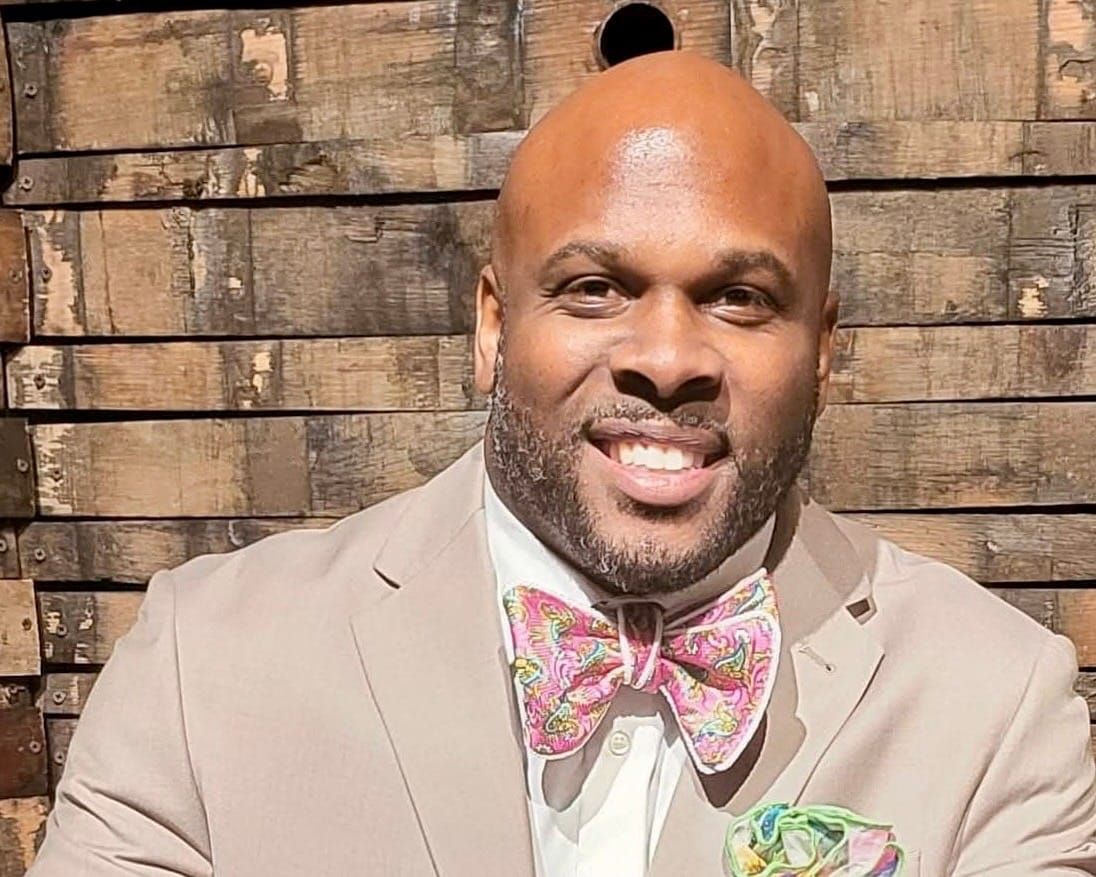
Guest Opinion by Julian Boykin MBA, MS, PMP, CISM
Alabama’s May primary is often dismissed as an intra-party skirmish. This year, with no incumbent governor on the ballot, May 19 is the moment that will determine who governs and which problems get solved — from rural hospital access to teacher recruitment and broadband in North Alabama. If you want a say in who leads Alabama, the most effective place to act is May 19, not November.
Primaries do more than pick nominees. They winnow crowded fields, reward campaigns with the best ground game, and set the policy frame for the general election. In Alabama, where primary calendars and runoff rules shape strategy, campaigns that invest in door-to-door outreach, absentee ballot operations, and county-level organizing will outperform better-funded but less organized rivals. The state’s election infrastructure and data files are publicly available through the Secretary of State, making county-level turnout and precinct results the clearest early indicators of momentum.
Consider recent cycles for context: the last open-seat primary calendar and runoff timing altered how campaigns allocated resources, and Alabama’s primary schedule has repeatedly compelled candidates to balance appealing to active primary voters with building a broader November coalition. In 2022, the primary was held in late May with runoffs scheduled for June — a pattern campaigns still plan around.
The stakes are local. When a small town loses an urgent‑care clinic or a school struggles to hire teachers, those are not abstract policy debates — they are daily hardships. For example, when Clarke County urgent‑care closed in 2024, residents reported longer drives for basic care and increased strain on nearby emergency rooms. That kind of local pain is what primary voters should demand candidates address with concrete, funded plans rather than slogans.
May 19 also forces tradeoffs. Appealing to the most active primary voters often rewards purer ideological positions; that can win a nomination but make the nominee less competitive in the general election. Alabama’s runoff rule — requiring a majority to avoid a runoff — means that if no candidate clears 50 percent, a June runoff becomes the decisive test of coalition‑building and fundraising stamina. Campaigns that can expand beyond their base between May and June are the ones that survive.
For voters in Thomasville and across Southwestern Alabama, the practical checklist is simple: confirm your registration, mark May 19 on your calendar, and evaluate candidates on local solutions — not just rhetoric. Pay attention to which campaigns have active field operations in your county, and which offer specific plans for rural healthcare, teacher recruitment, and broadband investment.
Bottom line: May 19 will do more than name nominees; it will reveal who has the mandate, the coalition, and the practical plan to govern Alabama. Treat the primary as the election and show up.
Julian Boykin is a strategic community leader in Hartselle, Alabama, with deep expertise in procurement, program management, and civic innovation. He holds an MBA from the Florida Institute of Technology, an M.S. in Acquisition and Contract Management, a B.S. in Business Management from Jackson State University, is PMP and CISM certified, and is completing a Doctorate in Business Administration. In federal service he served as a Senior Contract Specialist and Program Manager overseeing multi‑billion‑dollar acquisition portfolios. He founded Acquisition Consulting Experts, LLC and co‑founded a community‑focused banking initiative working to establish the Heritage Cooperative Federal Credit Union. His civic leadership includes board and leadership roles with the Morgan County Regional Airport Board, Hartselle for Tomorrow Foundation, 100 Black Men of Greater Huntsville, and several other organizations. He speaks on civic leadership, procurement, and community development and is available for interviews.
For more information: https://julianboykin.com
Opinions do not reflect the views and opinions of ALPolitics.com. ALPolitics.com makes no claims nor assumes any responsibility for the information and opinions expressed above.