Medicare AI Pilot Program Draws Criticism
Private companies administering the program will be paid based on how many services they deny

A federal test of artificial intelligence in Medicare is drawing strong pushback from physicians and elected officials who fear it will slow care and limit access for older patients.
Beginning in January, the Centers for Medicare & Medicaid Services will launch a pilot program known as the Wasteful and Inappropriate Services Reduction, or WISeR Model. The program is scheduled to run through 2031 in six States: Arizona, New Jersey, Ohio, Oklahoma, Texas and Washington. It will allow private companies to use AI tools to review and decide on “prior authorizations—the approvals patients and doctors must get before certain procedures and services.
Unlike other programs introduced by the Center for Medicare and Medicaid Innovation (CMMI), WISeR will be mandatory in the six test States.
Under the new model, the companies running the AI will be paid based on how much they save Medicare by denying “unnecessary or non-covered services.” Critics say that creates the wrong incentives.
Many physicians say the program borrows a feature more common in private insurance plans, which is unpopular in traditional Medicare. Prior authorizations require extra paperwork and can delay needed care, they argue.
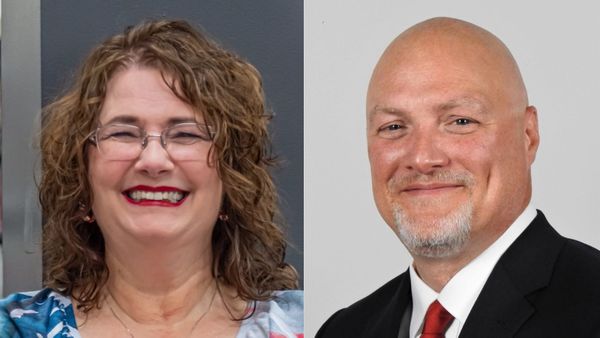
Dr. Bindu Nayak, an endocrinologist in Washington State, said the program could make Medicare harder to use for the people it is supposed to serve.
“Medicare recipients are a vulnerable group,” Nayak said. “The WISeR program puts more barriers up for them accessing care. And they may have to now deal with prior authorization when they never had to deal with it before.”
Physicians warn that prior authorization already contributes to delays and administrative work. A report from the American Medical Association found that more than one-quarter of doctors nationwide said prior authorization issues led to serious harm for patients, including hospitalization or lasting damage.
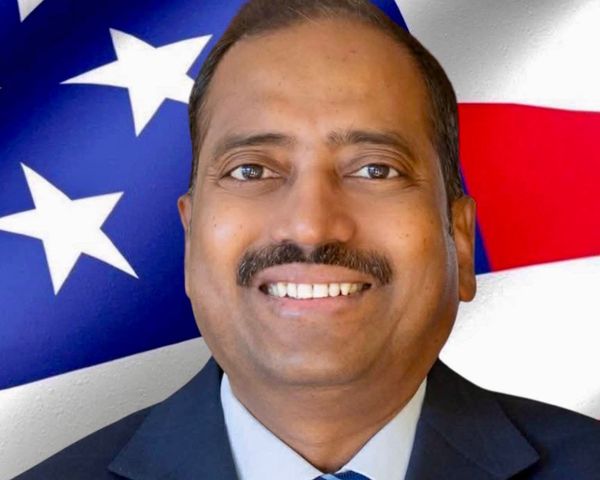
Dr. Jayesh Shah, President of the Texas Medical Association, said the process creates frustration for both doctors and patients.
“Prior authorization delays care and sometimes also denies care to patients who need it, and it increases the hassle factor for all physicians,” Shah said.
Officials at CMS have responded by saying final decisions on denials will be made by licensed clinicians, not machines. The agency also said it has incentives in the pilot to encourage quick and accurate determinations under Medicare rules.
Proponents of the pilot say it could help cut waste and lower costs. Medicare is the largest public health program in the U.S., and spending is expected to rise in the coming years. Testing tools like AI could provide new ways to manage that spending, supporters say.
Still, the planned rollout has alarmed lawmakers from both parties. In November, members of Congress from Ohio and Washington introduced a bill to repeal the WISeR program. One critic said the move sends mixed messages about policy on prior authorizations.
“The [Trump] administration has publicly admitted prior authorization is harmful, yet it is moving forward with this misguided effort that would make seniors navigate more red tape to get the care they’re entitled to,” said U.S. Representative Suzan DelBene (D-WA).
Providers’ groups in several affected states have backed the repeal effort. They say more input from doctors could help ease concerns about delays and denial rates.
Editor’s Note: h/t to @VigilantFox for bringing this to our attention.