Minnesota in Crisis: Frontline Politics, Law Enforcement, and Leadership Failure
Support for law enforcement, conservative voices insist, must be unwavering if America is to remain secure and just.

Staff Opinion by Angela McClure
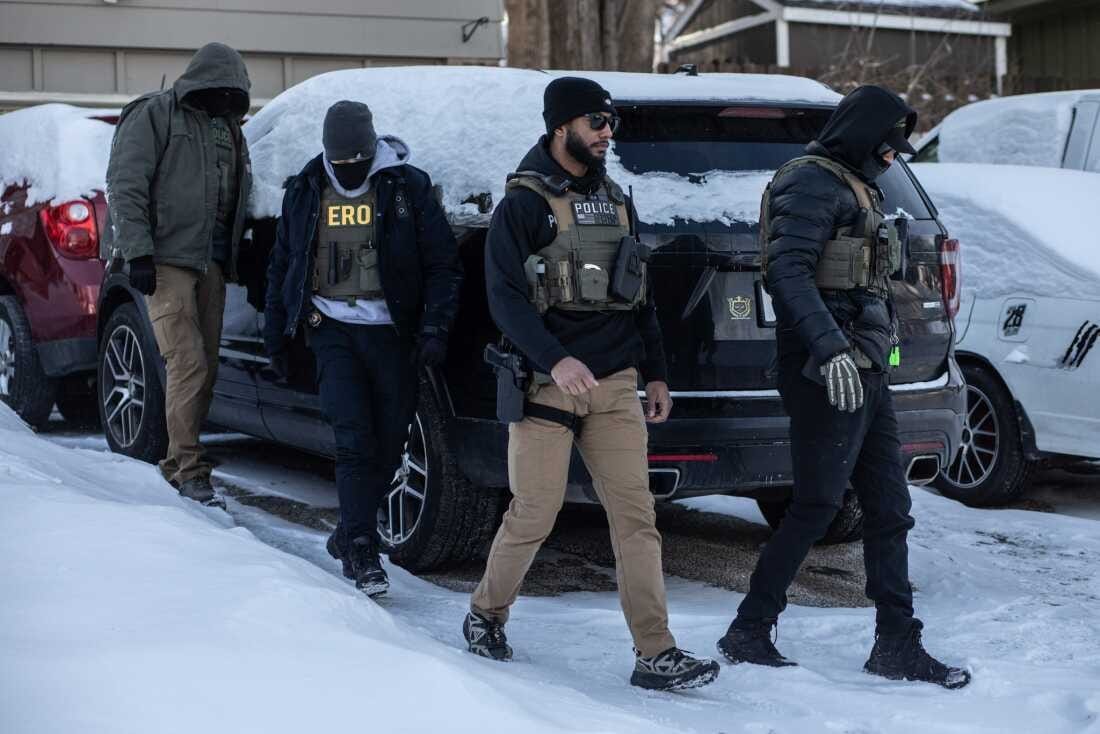
Minneapolis and much of Minnesota have become the epicenter of a national political crisis over federal immigration enforcement, protests, and leadership decisions. Recent actions by U.S. Immigration and Customs Enforcement (ICE) and other federal agents have sparked widespread demonstrations, harsh political rhetoric, and deep controversy over public safety and law-and-order priorities.
Earlier this month, an ICE officer fatally shot a Minnesota woman in Minneapolis, igniting mass demonstrations and intense criticism from local leaders. A second federal immigration agent-involved shooting today has further inflamed tensions.
Vice President J.D. Vance visited Minneapolis to urge calmer engagement and more cooperation with law enforcement, a move highlighting how federal and state leaders are at odds. Vance explicitly sought to “lower the temperature” amid chaotic scenes around enforcement sites.
Yet much of Minnesota’s liberal leadership, from Governor Tim Walz to Minneapolis city officials, has criticized federal enforcement tactics and even at times, distanced themselves from cooperation with federal authorities. These criticisms and calls for investigations have been portrayed by conservative commentators as undermining lawful enforcement activities and emboldening protestors unwilling to respect law enforcement.
Conservative voices argue that this dynamic reflects a broader failure of liberal politicians to stand firmly with law enforcement, a cornerstone of American and Republican values. Episodes of my podcast on Spotify, Angela’s Sweet Tea and Politics, often underscore the importance of supporting police and federal agents who uphold the rule of law, protect communities, and secure the nation’s borders. These commentators assert that failure by political leaders to unequivocally back law enforcement emboldens unrest and contributes to disorder.
From this perspective, Minnesota’s ongoing unrest should be a wake-up call: leaders who verbally undercut law enforcement or appear to sympathize with demonstrators confronting federal agents risk eroding public confidence in lawful policing and emboldening dangerous behavior, actions some say warrant accountability up to impeachment or removal from office.
Many conservatives also point to border security efforts under President Trump, emphasizing his administration’s aggressive actions to protect borders, reduce illegal immigration, and enhance public safety, as evidence of prioritizing law and order at the national level.
Moreover, conservative commentators frequently highlight states like Alabama as models where community leadership and bipartisan support for law enforcement and public safety create more secure, stable environments. An approach they argue should be replicated nationwide.
As Minnesota continues to grapple with protests, political polarization, and questions of law enforcement cooperation, the clash between federal authority, local leadership, and public sentiment remains at the center of a broader national debate about priorities, values, and public safety. Support for law enforcement, conservative voices insist, must be unwavering if America is to remain secure and just.
Opinions do not reflect the views and opinions of ALPolitics.com. ALPolitics.com makes no claims nor assumes any responsibility for the information and opinions expressed above.