Moore Backs Bill to Shield U.S. Firms Overseas
Rep. Barry Moore cites Vulcan Materials dispute as Congress moves to penalize foreign governments that seize American assets
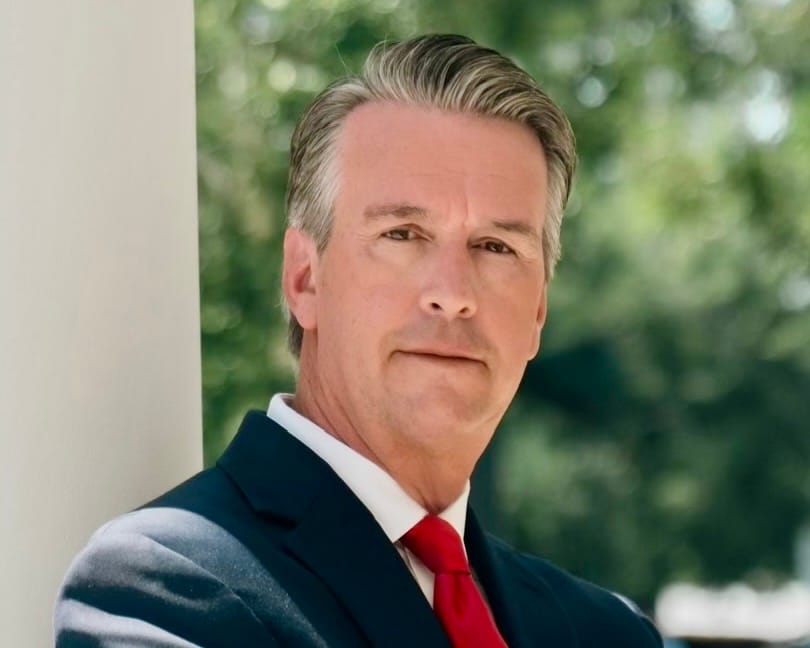
U. S. Representative Barry Moore (R-AL-01) voted in favor of new legislation aimed at protecting American companies from foreign government overreach, pointing to a long-running dispute involving Alabama-based Vulcan Materials Company as a clear example of the risk.
The Defending American Property Abroad Act of 2026, approved on the House floor, expands federal authority to respond when U.S. businesses face expropriation, shutdowns, or other hostile actions overseas. The bill builds on earlier bipartisan efforts led by Sens. Tommy Tuberville, Katie Britt, and Bill Hagerty to penalize countries that violate trade agreements or seize American assets.
“What we have seen happen to Alabama's own Vulcan Materials in Mexico is an example of a foreign government targeting an American company, shutting down its operations, and attempting to seize its property with no regard for the rule of law,” Moore said. “That should concern every American, because if it can happen to one company, it can happen to any U.S. business operating abroad. The Defending American Property Abroad Act makes clear that the United States will not sit back while our companies are mistreated. It gives us the tools to hold bad actors accountable, defend American jobs and investments, and ensure that foreign governments cannot benefit from access to our markets while violating the rights of American businesses.”
The legislation comes amid ongoing tensions between U.S. officials and the government of Mexico over actions taken against Vulcan’s operations in the Yucatán Peninsula. Mexican authorities have shut down portions of the company’s quarry and moved to take control of a deepwater port, actions U.S. lawmakers say violate the United States-Mexico-Canada Agreement (USMCA).
The dispute dates back several years. Vulcan first sought arbitration in 2018 after regulatory and land-use conflicts escalated. In 2022, Mexican forces shut down operations at the site, and federal officials later moved to designate the property as a protected natural area—steps critics say amount to unlawful seizure.
Lawmakers in both chambers have framed the case as a test of whether the U.S. will enforce trade agreements and defend domestic companies abroad.
“For years, the Mexican government has shown undue aggression toward American businesses, primarily Alabama’s Vulcan Materials,” Tuberville said.
Hagerty added that “no nation should be allowed to bully an American firm without consequences.”
The legislation outlines a series of enforcement tools. It allows the federal government to block imports and deny port access to vessels tied to infrastructure that has been seized from U.S. entities. It also expands Section 301 of the Trade Act of 1974 to treat expropriation as an actionable trade violation.
A revised version of the bill further strengthens those provisions by allowing the president to designate foreign ports tied to seized assets as “prohibited,” effectively barring ships that use them from entering U.S. waters.
Supporters say the measure sends a clear signal: access to American markets requires respect for the rule of law and the rights of U.S. businesses.
The Alabama delegation, across both chambers, has remained unified in pressing the issue. Members argue the outcome of the Vulcan dispute could set a precedent for how aggressively the U.S. defends its companies operating abroad—and whether foreign governments face real consequences for crossing that line.