Moore Supports DHS Pay Bill During Shutdown
Rep. Barry Moore voted for GOP bill to fund DHS and restore pay for agents, TSA, Coast Guard, and Secret Service during shutdown
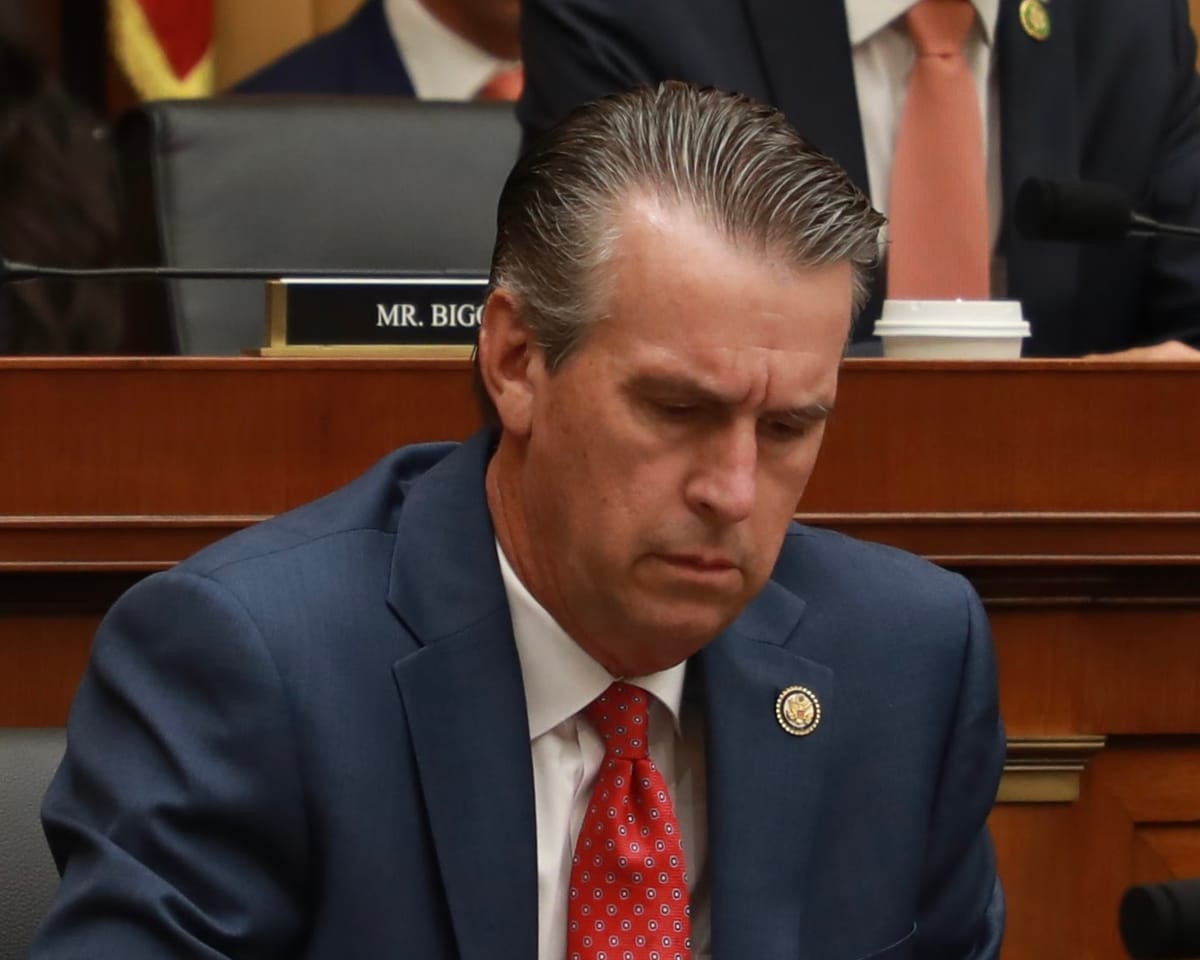
U.S. Representative Barry Moore (R-AL-01) voted this week in favor of legislation aimed at restoring pay for Department of Homeland Security personnel affected by the ongoing federal shutdown.
The bill, known as the Pay Our Homeland Defenders Act of 2026 (H.R. 8029), would fully fund the Department of Homeland Security and ensure that frontline personnel receive uninterrupted compensation.
Lawmakers advanced the measure as thousands of federal workers continue to report for duty without pay. The shutdown has impacted airport screening, border security operations, and emergency response readiness, while also adding strain to the broader U.S. economy.
Moore framed the vote as a necessary step to stabilize national security functions and support federal workers on the front lines.
“Today, House Republicans took action to end the chaos caused by Senate Democrats’ shutdown and make sure the men and women who protect our homeland aren’t left wondering how to provide for their families,” Moore said. “While Democrats play political games to appease their radical, open-borders base, our Border Patrol agents, TSA officers, Coast Guardsmen, and Secret Service personnel have been working without pay to keep Americans safe. This bill guarantees our homeland defenders are paid, restores stability to critical security operations, and puts American families first."
The legislation includes several core provisions:
- Reopens and funds the Department of Homeland Security after stalled negotiations in the Senate
- Guarantees full and timely pay for Border Patrol agents, TSA officers, Coast Guard members, and Secret Service personnel
- Provides resources for border enforcement, transportation security, and emergency response efforts
The measure now moves to the Senate, where its future remains uncertain amid ongoing negotiations over federal spending.