New Year Brings New Rules on Hemp Products in Alabama
New Alabama hemp law enforces licensing, THC caps, age limits, felony penalties for consumable hemp products as of Jan. 1
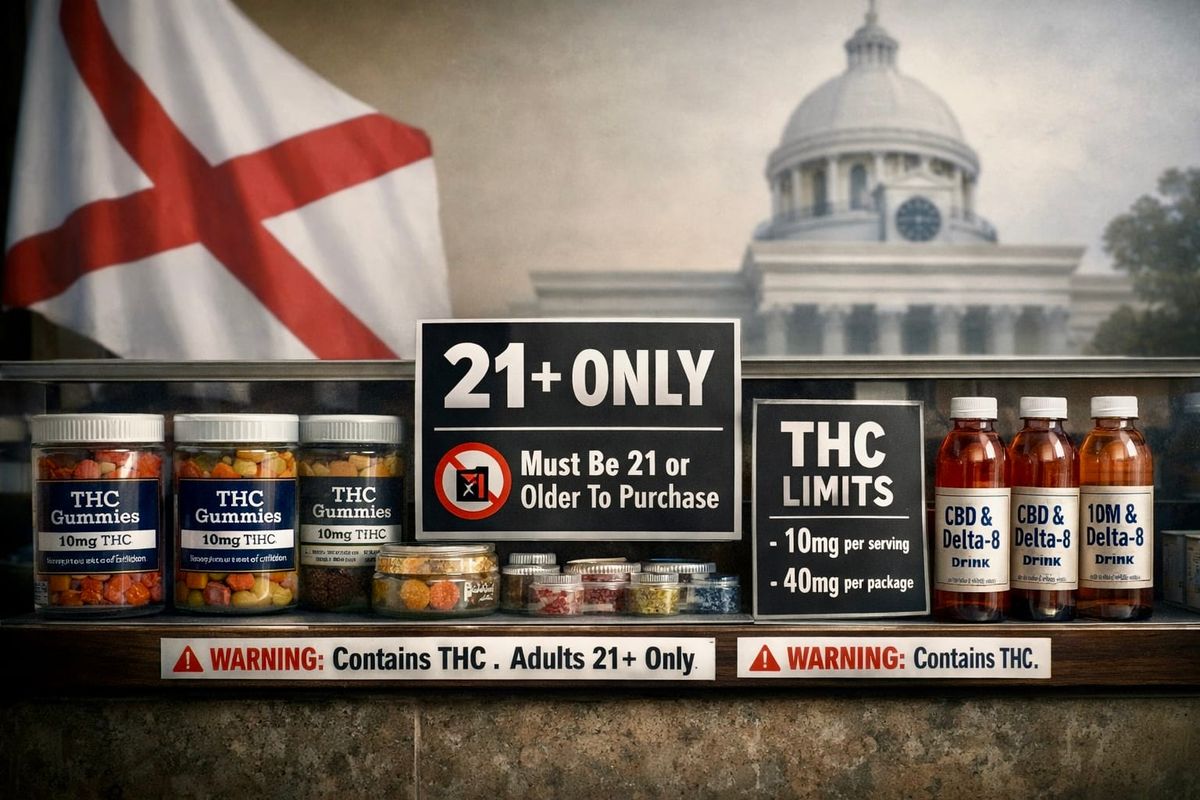
Starting January 1, 2026, Alabama will enforce stricter regulations on consumable hemp products across the state, reshaping how these items can be sold and who can buy them. The changes stem from House Bill 445, passed by the State Legislature in 2025.
Under the new law, consumable hemp products — including edibles and beverages that contain cannabinoids like Delta-8 or CBD — can only be sold by stores licensed by the Alabama Alcoholic Beverage Control (ABC) Board. These retailers must also enforce age-21 minimums for buyers.
State Representative Andy Whitt (R-Harvest), who sponsored the legislation, has said that the goal is to bring oversight to a market that previously had little regulation.
“What was so dangerous is that these products did not have a cap, and you and I could make these products in our basement, market them, and there was no one individual who was looking over it,” Whitt said.
Whitt highlighted concerns about child safety and product appeal, noting past marketing resembled everyday candy.
“When you reach past a sour patch kids … that is not good,” he said, “and we don’t want these products in the state of Alabama.”
The regulations limit THC — the compound with psychoactive effects — to 10 milligrams per serving and 40 milligrams per package. Products must be tested, labeled, and meet other safety standards before they can be sold.
The law also puts strong penalties in place. Violating the rules on unlawful hemp products can lead to a Class C felony, carrying up to 10 years in prison and fines as high as $15,000.
In addition to retail licensing and age limits, the legislation includes lab testing requirements and restrictions on online or direct-to-consumer hemp sales. Local governments must approve permits before retailers can apply for state licensure.
As businesses adjust to the new framework, some hemp operators have expressed concern about compliance costs and enforcement. Yet supporters of the law say these guardrails are needed to protect public health and keep regulated products out of the hands of minors.
A review of HB445 by Whitt Steineker of Bradley Arant Boult Cummings LLP in the National Law Review is available at THIS LINK. Those seeking a plain-language interpretation of the bill’s contents may find it useful. Alpolitics.com makes no claim as to its veracity—the above link is provided purely for informational purposes.
For more information on licensing requirements, see https://alabcboard.gov/licensing-compliance/hemp?utm_source=chatgpt.com.