Palmer Pushes Air Permit Reform for National Security
Bill will speed up air permits for key industries, strengthening national security while updating aging federal rules
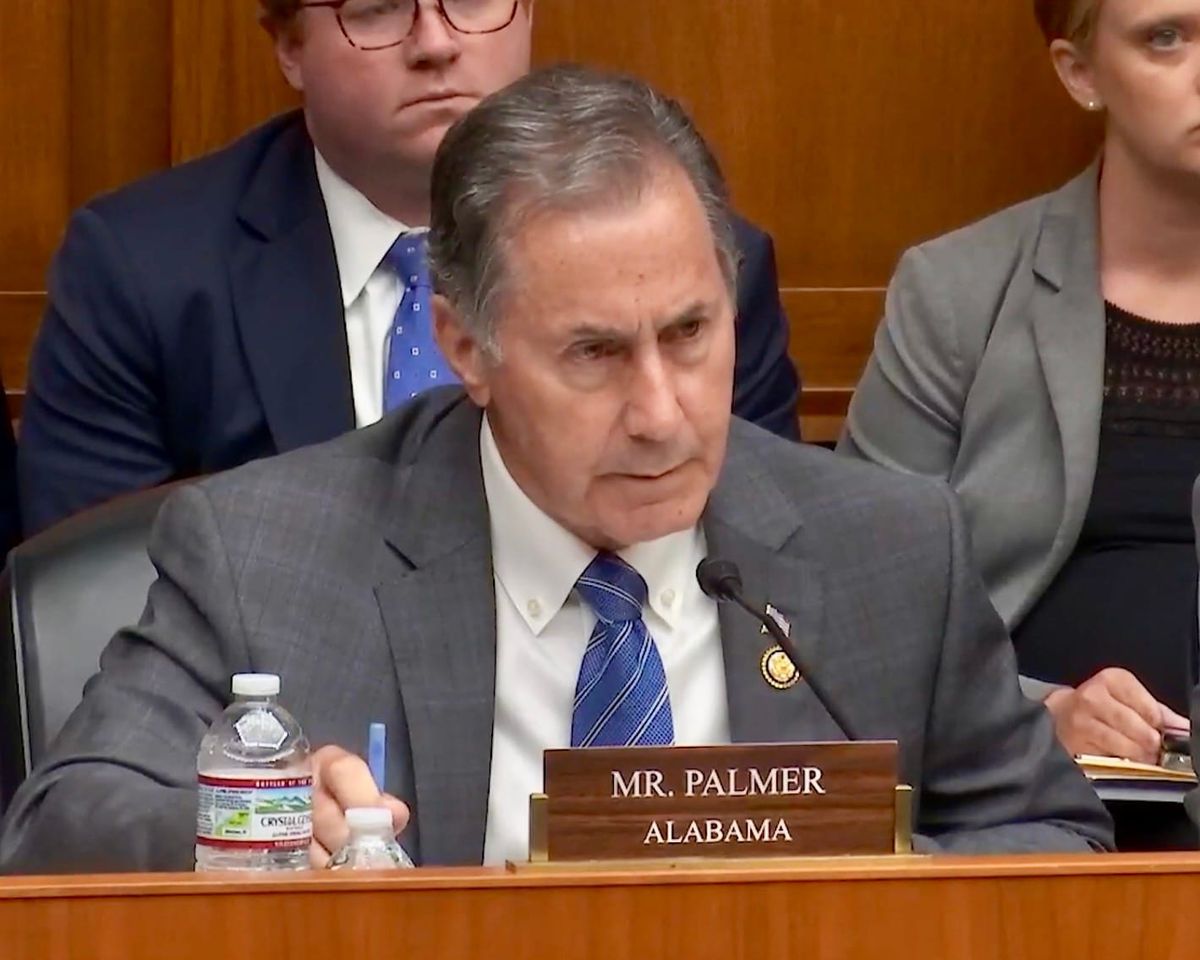
U.S. Representative Gary Palmer (R-AL6) has introduced new legislation aimed at modernizing how the United States handles air permitting under the Clean Air Act. The Air Permitting Improvements to Protect National Security Act would revise current law to help manufacturers and critical supply-chain facilities get clearer, faster paths to regulatory compliance—especially when national security interests are involved.
The bill is a response to outdated Clean Air Act provisions that can delay or block vital infrastructure and manufacturing projects. The legislation comes as lawmakers in the House Energy and Commerce Subcommittee on Environment continue broader debate on permitting reform.
In recent hearings, Palmer and other Republican lawmakers have emphasized that current air permitting requirements often slow economic growth and the deployment of technology and manufacturing capacity that are important to U.S. security. In an earlier opening statement, Palmer said the Clean Air Act contains “outdated provisions that punish American job creators for emissions they have no control over” and can hinder energy projects and global competitiveness.
The White House and federal agencies have also pursued permitting reforms in 2025, reflecting wider interest in updating environmental review across infrastructure and energy sectors. These include efforts to modernize permitting processes with new technology standards and clearer timelines.
According to reporting on the text of the proposal, the legislation would amend the Clean Air Act to provide practical pathways for essential manufacturers and critical mineral facilities to comply with federal air quality rules. These changes are designed to reduce regulatory uncertainty that can slow investment and construction.
Supporters of the bill argue that clearer permitting standards will protect national security by facilitating the growth of key industries — especially those tied to advanced manufacturing and mineral processing.
Not all reactions have been positive. Environmental and public health advocates have raised concerns that changes to permitting law could weaken long-standing air quality protections. Testimony during subcommittee hearings noted that some proposals would allow the President to exempt major new facilities in areas that already violate health-based air standards from certain emissions offset requirements. Critics argue that could worsen air quality for vulnerable communities.
Republicans and Democrats on the House Energy and Commerce panel have expressed differing views about how far reform should go and how to balance economic growth with environmental safeguards.
The legislation will be taken up in committee as part of a larger package of permitting reforms under consideration this session. Lawmakers say they plan to refine the proposal through hearings and discussions with industry and environmental stakeholders.
As the permitting debate unfolds, both sides agree that federal environmental laws—including the Clean Air Act—haven’t been updated in decades. But they differ sharply on how reforms should protect the environment while allowing the economy to grow.
The full text of The Air Permitting Improvements to Protect National Security Act may be read HERE.