Politics, Power, and the Responsibility of the Voter
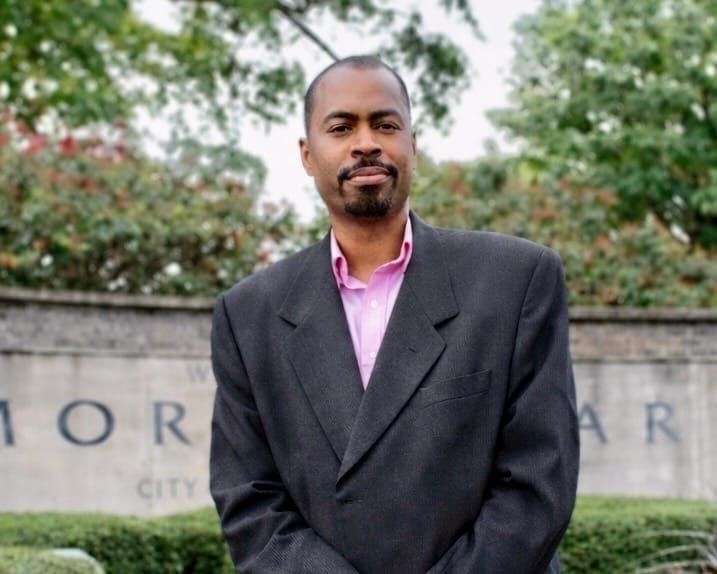
Guest opinion by Keith O. Williams, Independent candidate in Alabama House District 55
Recent reporting from AL.com coverage of Birmingham political ads highlights a growing concern in Alabama politics: outside political groups, connected to powerful interests, funding attack ads against elected officials or candidates someone doesn't like.
This is not new. But it is becoming more visible — and more influential. And downright inflammatory.
And that raises an important question for voters:
👉 Is this what politics is supposed to be?
🏛️ WHAT A STATE LEGISLATOR CAN — AND CANNOT — DO
Before reacting to any ad, any message, or any accusation, it is important to understand the role of a state legislator.
Let me break it down.
A state legislator:
votes on laws
helps shape state budgets
advocates for policies
represents the interests of their district
But they do not:
control city governments
manage utilities directly
dictate private market prices
solve every issue independently
If there's an issue with city services or crumbling infrastructure, talk to the mayor or city council. Anything outside of the city limits should be made known to your county commissioner. If you are dealing with high utility rates, high grocery bills, or high gas prices, a change in policies from the state legislature can bring relief. Knowing who does what will help you hold the right person accountable.
When messaging blurs these lines, it creates confusion — and confusion benefits those controlling the narrative.
If you don't know the job, you don't need to run for office. Period.

🧭 WHAT POLITICS WAS MEANT TO BE
We have driven away from what politics really is. In the Greek context, politics comes from the term, politika, meaning taking care of the affairs of the people.
Originally, politics was about:
👉 People coming together to decide how to govern themselves.
It was about:
shared responsibility
open debate
informed decision-making
From the Ancient Greek city-states to the Roman Republic. From the Magna Carta (Latin for Great Charter) to the our nation's constitution, politics shaped how people govern themselves and molded the fabric of democracy. But somewhere along the way, politics shifted.
From:
✔ conversations → to attacks
✔ solutions → to strategy
✔ people → to power
And when that happens, the meaning of politics gets lost.
📡 THE IMPACT OF ATTACK ADS
Moments like this can go in two directions:
👉 They can drive voters to the polls
or
👉 They can push voters away from the process entirely
Some people will engage more.
Others will say: “Politics is too negative… it’s not worth it.”
And that is the real danger.
Because when people disengage, decisions are made without them.
🧠 THE RESPONSIBILITY OF THE VOTER
This is where voters must take control.
Do not rely on:
ads
headlines
popularity or status (name recognition)
money or outside groups
Instead:
✔ Research candidates
✔ Review voting records
✔ Understand the issues
✔ Ask one simple question:
👉 Who represents my interests?
Not someone else’s. Yours.
🎯 WHAT SHOULD MATTER IN THIS ELECTION
As we move deeper into this election cycle, the focus should be clear:
💰 Affordability and the everyday cost of living
Because families are dealing with:
rising utility bills
increasing grocery costs
higher gas prices
everyday financial pressure
That is not political theory.
That is reality.
These are kitchen table issues everyone is talking about: Democrats, Republicans, and independents.
And that is what leadership should be addressing. Not who has the most money, a familiar name, an affiliation, or who likes or doesn't like who. That's not politics. That's pettiness and pathetic.
🧭 THE ACT FRAMEWORK
That is why leadership must be grounded in:
✔ Accountability
Do policies actually improve people’s lives? Or is it the people's fault when things don't get done?
✔ Community Engagement
Are leaders listening to the people they represent? Or a constituent has to give an elected official a list to be turned into results?
✔ Transparency
Do voters understand what is happening and why? Or voters are in dark because they don't know what's happening and how it affects them?
Without these, "politics" becomes noise.
With them, politics becomes progress.
💬 WORDS OF ENCOURAGEMENT
Yes — moments like this can feel frustrating.
Yes — it can feel like the system is more focused on conflict than solutions.
But history shows us something important:
👉 Change happens when people stay engaged.
Not when they step away.
🔥 CLOSING REMARKS
This election is not about ads.
It is not about narratives.
It is not about who can say the most or spend the most.
It is about direction.
A direction where:
people are informed
leaders are accountable
and families can afford to live
Because at the end of the day:
Politics should serve the people — not distract them.
🧭 When there’s a will, there’s a Williams.
It’s time to ACT responsibly.
Keith O. Williams is an independent candidate for Alabama State House of Representatives District 55. He is a nonprofit leader, a community advocate, a certified counseling practitioner, and a peer support specialist. Williams is will face incumbent Travis Hendrix in the General Election on November 3, 2026.
To learn more about the campaign, please visit https://keithforalhd55.keithowilliams.com and follow on Facebook, Twitter, and Instagram @kowilliamspc.
Opinions do not reflect the views and opinions of ALPolitics.com. ALPolitics.com makes no claims nor assumes any responsibility for the information and opinions expressed above.