Property rights — A Cornerstone of Freedom
“Our individual rights are not contingent upon the preferences, opinions, or comfort level of others”—Guest Opinion by Kaycee Cavender
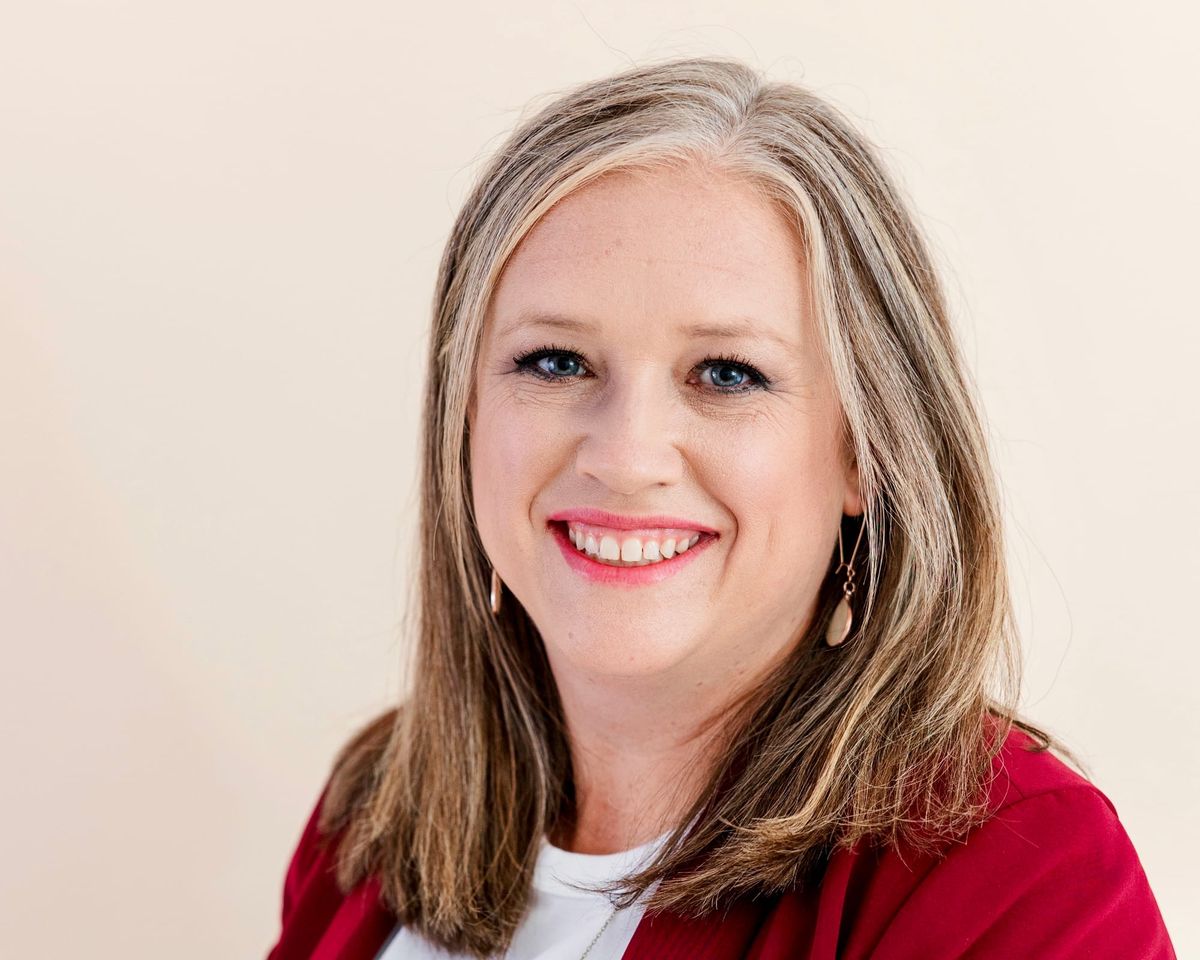
Guest Opinion by Kaycee Cavender
When I was pregnant with my fourth child, I asked my husband to build a simple swing set for our older children—something basic to keep them entertained. Instead, he built what can only be described as a Nerf-gun-friendly fortress: a massive, playground-quality structure that was four times larger than anything I had imagined and rivals many public parks.
It is a strange-looking and rather large structure from the road. But three years later, it has done exactly what it was built to do—keep our children playing, laughing, and outside.
One day a friend visited and remarked that she would never be allowed to have something like that on her property. City regulations simply wouldn’t permit it. I know many families who live in cities or HOAs where strict rules govern how homes are built, how yards are landscaped, and what structures are allowed—or forbidden—on private property. I’ve never felt drawn to living that way, just as others may not understand why I choose to live where I do.
But I am deeply thankful that, where I live, I have the freedom to make those choices on my own property.
That is why residents in Cleburne County, Alabama are paying attention—and rightly so—after the county commission opened discussion and “research” into county-wide building codes and permitting requirements. This may be framed as a learning process, but let’s not kid ourselves: this conversation strikes at the heart of individual liberty, private property rights, and the proper role of government. These are not abstract concepts. They are foundational principles that every citizen, in every county, should care deeply about.
So let me be very clear about where I stand.
I do not support county-wide building codes or permitting requirements imposed on individuals working on their own private property.
If you own land, you should have the right to decide what you build on it without first asking permission from the government. That belief is not radical—it is fundamental to personal freedom and private property rights in this country.
To be equally clear, opposing expanded county regulation does not mean ignoring legitimate public health or safety concerns. Sewage spills, environmental hazards, unsafe conditions, and actions that harm neighbors or threaten public health are already addressed under existing state and local laws. Those safeguards are already on the books for a reason—and they should be enforced.
What I oppose is the idea that a citizen must obtain government approval simply to build, place, or import a structure of their choosing on land they own.
Some support county-wide building codes not because of genuine public safety concerns, but because they are uncomfortable with what their neighbors’ properties look like, what kinds of structures others choose to build, or fears—real or perceived—about structural integrity. I understand those concerns, but I reject the premise behind them. I view this no differently than I view health freedom. Personal liberty and private property rights are foundational principles of our Constitution. Our individual rights are not contingent upon the preferences, opinions, or comfort level of others. We do not lose our freedoms simply because someone else disapproves of how we exercise them.
We already have a dense web of regulatory laws and agencies tasked with consumer protection, contractor licensing, safety standards, and fraud prevention. If a contractor performs shoddy work, cuts corners, or defrauds a property owner, that contractor should be held accountable—through existing enforcement mechanisms, civil liability, and professional discipline. The answer to regulatory failure is not piling on more bureaucracy that punishes responsible property owners instead of bad actors.
I believe in less government, not more.If someone is concerned about safety, structural integrity, electrical work, or plumbing, there are already private inspectors who can evaluate those matters. If you’re building something on your property and want to ensure it’s done correctly, that responsibility belongs to you—either by educating yourself or by hiring qualified professionals. If you want to ensure emergency services can access your property, that too is a responsibility you can and should take seriously without government mandates. No matter how you look at it, personal responsibility must remain the starting point—not an afterthought.
A county “nanny state” approach is not acceptable.We also need to be honest about the real-world consequences of expanding county regulation. County inspectors do not appear out of thin air. They must be hired, trained, housed, insured, and paid. That means bigger county budgets, more administrative overhead, and ultimately a heavier burden on taxpayers—many of whom are already stretched thin by inflation, taxes, and rising costs of living.The Cleburne County Commission has described this as a discussion and a learning process. I respect that, and I am not calling for panic or outrage. But I am saying this matters—here in Cleburne County and far beyond it.
Too often, government authority expands quietly, not because the public agrees, but because people are busy working, raising families, and living their lives. Meetings are scheduled during regular business hours. Voices go unheard. Silence is then misinterpreted as consent. It is not.
Property rights are not a fringe issue. They are a cornerstone of freedom. Citizens must engage early, speak clearly, and stand firm—because once rights are given away, they are rarely easy to reclaim.
Kaycee Cavender is a candidate for Alabama House District 40, which includes all of Cleburne County plus parts of Calhoun County, covering areas such as Jacksonville, White Plains, Oxford, and others. The District is currently represented by Rep. Chad Robertson (R-Heflin), who is seeking reelection to the seat. He and Cavendar will face off in the May 19 Republican primary, with the general election set for November 3, 2026.
For more information, visit www.votecavender.com or follow Cavender on Facebook.
Opinions do not reflect the views and opinions of ALPolitics.com. ALPolitics.com makes no claims nor assumes any responsibility for the information and opinions expressed above.