Rep. Moore Introduces Bill to Block China and Others from Influencing U.S. Rulemaking
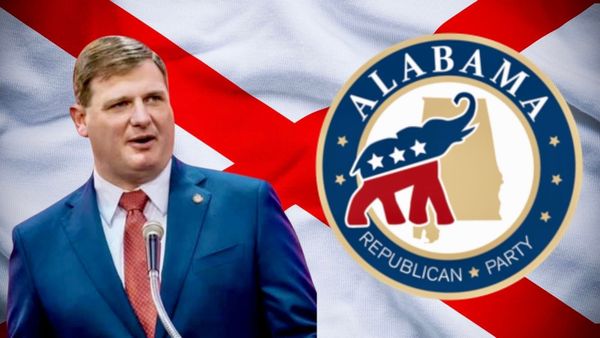
"For too long, hostile governments like Communist China have legally inserted themselves into America’s regulatory process." - Rep. Barry Moore

Congressman Barry Moore (AL-01) has introduced the Safeguarding U.S. Rulemaking Act, legislation designed to prevent foreign adversaries—most notably Communist China—from submitting public comments intended to influence federal regulations. The bill targets what Moore describes as a dangerous loophole in the federal regulatory process that allows foreign governments and entities they control to quietly participate in U.S. policymaking.
Moore said the purpose of the legislation is to ensure that America’s regulatory system reflects the interests of U.S. citizens rather than the strategic objectives of hostile governments. He warned that “for too long, hostile governments like Communist China have legally inserted themselves into America’s regulatory process,” adding that the threat is not hypothetical because “Beijing has already been caught trying to shape our rules.” Moore said that if China wants to weigh in on regulations, “they can do it in their own country,” emphasizing that federal policymaking “should reflect the voices of the American people, not the agendas of adversaries working against our national interests.”
Under existing federal law, any “interested person” is permitted to submit comments on proposed regulations. Agencies are not required to verify the identities of commenters, a gap Moore says allows foreign adversary governments and companies under their control to influence U.S. rulemaking without public disclosure. Reports have previously documented instances in which Chinese-linked entities filed comments on U.S. environmental and energy proposals—efforts Moore cites as evidence of the need for reform.
Moore said the Safeguarding U.S. Rulemaking Act would close that loophole by prohibiting designated foreign adversary governments from submitting comments on any federal regulatory matter. The bill also bars adversary-controlled nationals, companies, and subsidiaries from participating in the comment process. According to Moore, it maintains access for U.S. citizens, domestic institutions, and foreign stakeholders from non-adversary nations while establishing “clear statutory protections” to prevent foreign governments from influencing American regulations.
The legislation now heads to committee consideration in the House. Moore said he hopes the bill will move quickly, arguing that the federal rulemaking process cannot remain vulnerable to foreign manipulation. He described the act as an essential step toward ensuring that U.S. regulations are shaped “by the American people and for the American people.”