Seagrass Task Force Bill Clears Alabama Legislature
House Bill 38 now heads to Gov. Kay Ivey after final passage, establishing a task force to restore coastal seagrass and guide a 10-year restoration plan
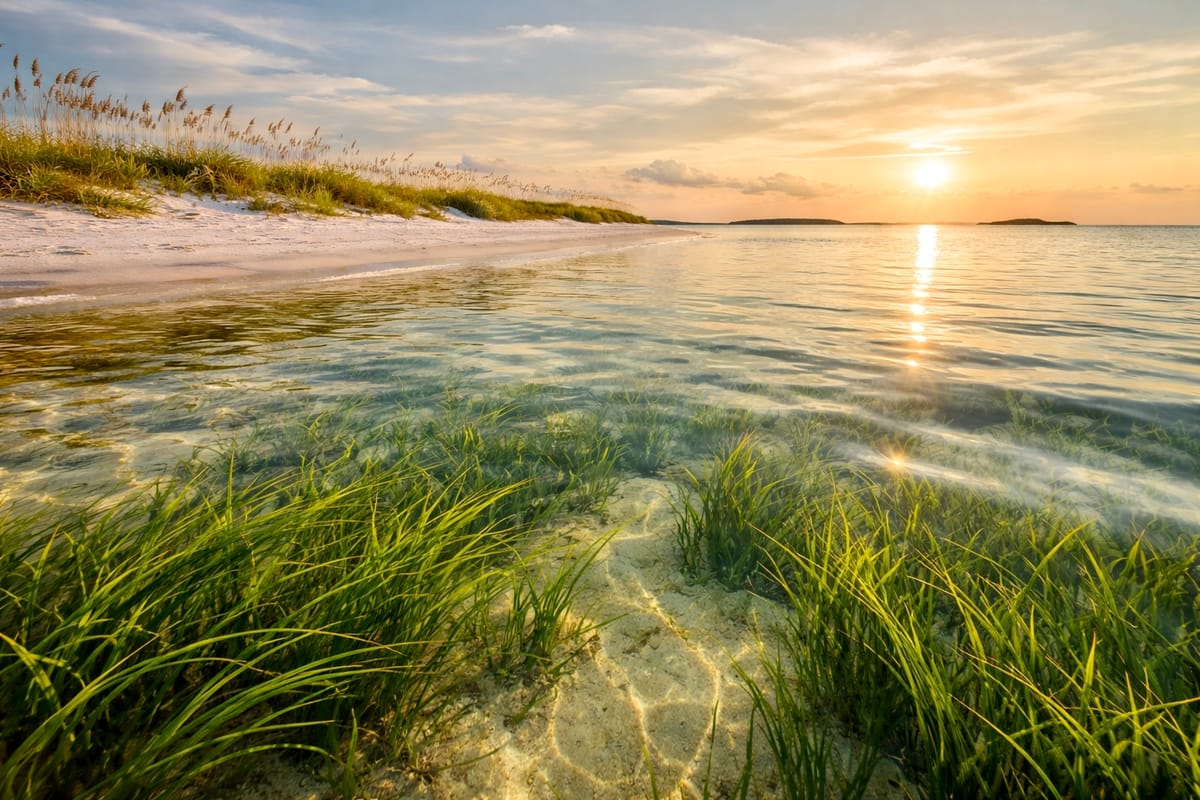
The Alabama Legislature on Thursday gave final approval to House Bill 38 (HB38), a bill that will create a new Alabama Seagrass Restoration Task Force aimed at strengthening coastal ecosystems. The measure now moves to Governor Kay Ivey for her review and expected signature.
Sponsored by State Representative Chip Brown (R-Hollinger’s Island), the bill establishes the task force in state law and outlines its membership, duties, and timeline. The move comes amid growing concern about the loss of seagrass in Alabama’s coastal waters and the broader effects on fisheries, water quality, and shoreline habitats.
“Seagrass anchors numerous aquatic ecosystems throughout the Gulf Coast area, and its loss is resulting in a domino effect of negative environmental impacts,” Brown said on the House floor. “This task force will bring experts and stakeholders together to ensure they are all rowing in the same direction as we work to preserve the beautiful coastal and bay environments that Alabama has been blessed to enjoy.”
Under the enrolled version of HB38, the task force will be co-Chaired by the executive director of the Dauphin Island Sea Lab and the president of the University of South Alabama. Other members include Brown in his role as Chair of the House Ports, Waterways, and Intermodal Transit Committee, the commissioner of the Alabama Department of Conservation and Natural Resources, the director of the Mobile Bay National Estuary Program, and appointees from state and local leaders.
The group’s charge is to develop a 10-year Alabama Seagrass and Sea Oats Restoration Plan by bringing together research, stakeholder input, and innovative strategies to restore seagrass beds. The initial task force meeting must occur by January 1, 2027, with meetings at least twice annually thereafter. Regular progress reports are due to the Legislature at the start of each session.
The legislation also designates the Dauphin Island Sea Lab as the task force’s fiscal agent and allows it to accept State and private funding, grants, and donations to support its work.
As environmental groups and coastal communities have stressed the importance of seagrass for fisheries and water quality, the new law gives lawmakers a structured forum for long-term restoration efforts. The bill’s passage highlights ongoing attention to conservation issues during the 2026 legislative session.
With final legislative approval complete, HB38 now goes to Gov. Ivey, who is expected to sign the bill.
The full text of HB38 as enrolled is HERE.