
Strong Bill Ties USPS Bonuses to Performance
Strong, Alabama's House delegation seek to end USPS bonuses after years of losses, missed delivery targets, and poor service
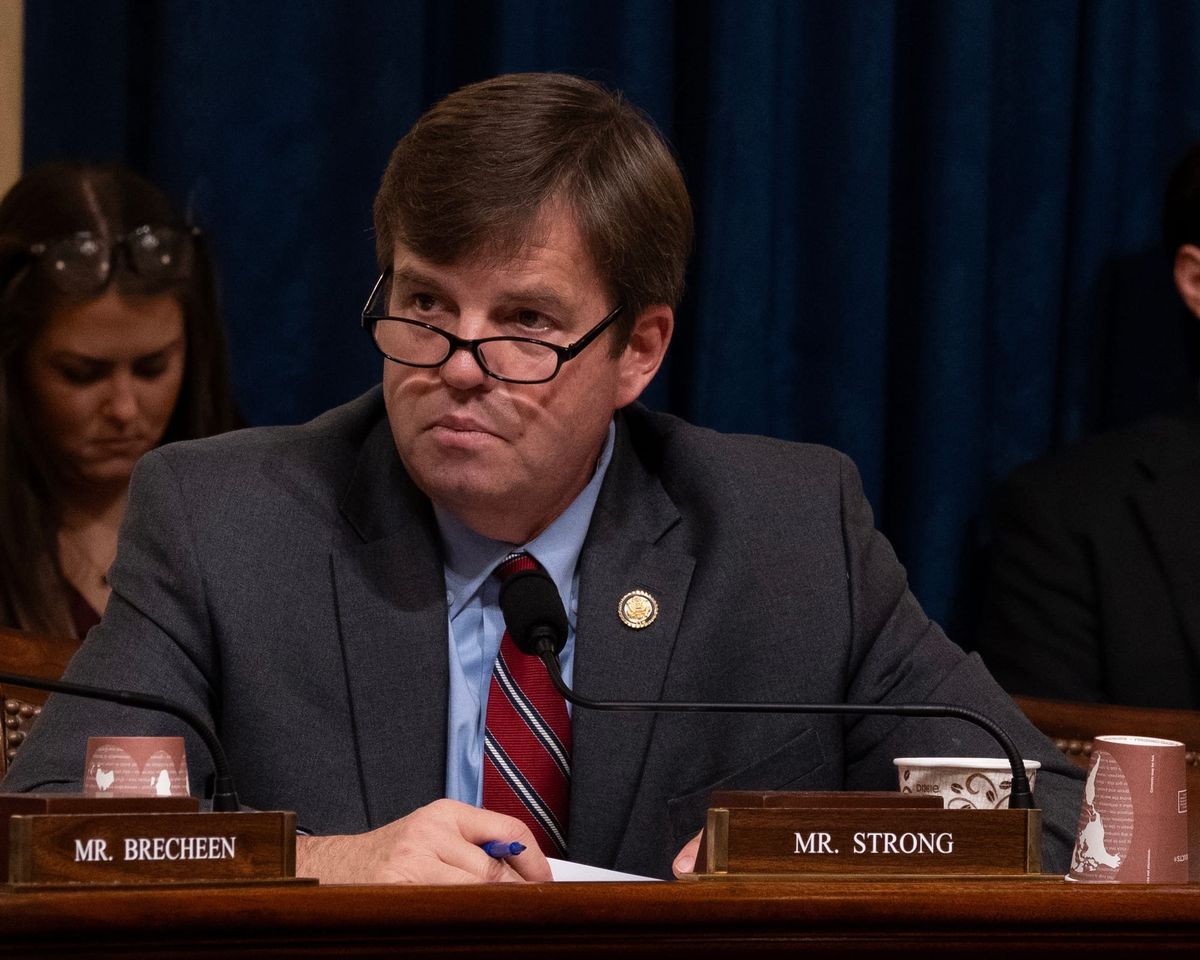
U.S. Representative Dale Strong (R-AL-05) has introduced legislation designed to hold the U.S. Postal Service's top executive accountable by tying performance bonuses to the agency's financial health and mail delivery record.
The Postal Executive Responsibility, Fiscal Oversight, and Results-based Management (PERFORM) Act would prevent the Postmaster General from receiving a performance-based bonus if the Postal Service fails to meet key performance and financial standards during the previous fiscal year. The legislation is backed by every member of Alabama's House delegation, making it one of the few bills this Congress to earn bipartisan support from all seven of the State's representatives.

"The American people don't get bonuses for failure, and neither should the Postmaster General. The PERFORM Act ends the practice of rewarding poor performance and makes clear that leadership must earn incentive pay by delivering results – not excuses," Strong said.
The proposal comes as the Postal Service continues to struggle financially. According to Strong's office, USPS has posted more than $25 billion in net losses over the past three fiscal years, including a $9 billion loss in Fiscal Year 2025, while many Americans have continued to experience delays in receiving medications, paychecks, bills, election mail, legal documents, and other time-sensitive correspondence.
Despite those losses, the Postmaster General remains eligible for annual performance bonuses. Strong's office said Postmasters General have received more than $2 million in bonus compensation over the past decade, even as delivery performance and the agency's finances have deteriorated.
Under the PERFORM Act, a performance bonus would be prohibited if USPS, during the previous fiscal year:
- Fails to meet nationwide mail delivery performance targets.
- Reports a net financial loss.
- Receives a material weakness, adverse audit opinion, or disclaimer in its financial audit.
- Fails to submit a required report to Congress.
"If the U.S. Postal Service were a private sector operation, it would have filed for bankruptcy years ago. Further, if a CEO's tenure saw an average annual net loss of $10 billion while service standards continued to decline, company leadership would be standing in the unemployment line – not collecting performance bonuses," Strong continued.
Rep. Barry Moore (R-AL-01), one of the bill's original cosponsors, said taxpayers deserve greater accountability from USPS leadership.
"The American people expect accountability from every part of the federal government, and the U.S. Postal Service should be no exception," Moore said. "When USPS is losing billions of dollars, failing to meet service standards, and falling short of basic financial accountability, taxpayers should not be expected to foot the bill for performance bonuses. It is absurd to reward bonuses to bureaucrats that fail to meet basic operational standards. I'm proud to join Congressman Dale Strong in standing up for taxpayers and bringing common-sense accountability back to Washington."
Rep. Mike Rogers (R-AL-03) also backed the legislation.
"I was proud to join my friend, Rep. Dale Strong, in introducing this commonsense legislation to incentivize better performance by the Postmaster General," Rogers said. "The United States Postal Service loses billions per year, yet the Postmaster General still receives performance-based bonuses nearing $200,000. We must hold the Postmaster General to account, and removing performance-based bonuses in years following substandard results is a great start."
Rep. Robert Aderholt (R-AL-04) said the legislation seeks to restore confidence in one of the nation's oldest institutions.
"As we celebrate America's 250th anniversary, it's worth remembering that the United States Postal Service is actually older than the nation itself," Aderholt said. "Yet in recent years, it has fallen far short of the vision our first Postmaster General, Benjamin Franklin, had for our national mail service. Postal rates have continued to climb while service has become slower and less reliable. That's why I'm proud to be an original cosponsor of the PERFORM Act, led by Congressman Strong, to help hold the Postal Service accountable to its customers, the American people."
Rep. Gary Palmer (R-AL-06) argued that executive bonuses should reflect measurable performance.
"The Postal Service has lost billions of dollars while Americans continue to deal with delayed mail and declining service, yet executives are still eligible for hefty bonuses," Palmer said. "Being rewarded with taxpayer dollars for poor service is unacceptable. The PERFORM Act puts an end to this by ensuring taxpayer-funded performance pay is tied to actual performance and accountability. I appreciate Congressman Strong's leadership and am proud to support this legislation."
Rep. Terri Sewell (D-AL-07) said stronger oversight should benefit both postal employees and the communities they serve.
"I am proud to join my colleagues in the Alabama delegation in supporting the PERFORM Act which will improve oversight of U.S. Postal Service leadership," Sewell said. "Postal workers and post offices are lifelines for our communities, and they deserve the resources necessary to carry out their critical mission."
Original cosponsors include Barry Moore (R-AL-01), Shomari Figures (D-AL-02), Mike Rogers (R-AL-03), Robert Aderholt (R-AL-04), Dale Strong (R-AL-05), Gary Palmer (R-AL-06), and Terri Sewell (D-AL-07).
The measure builds on Strong's broader efforts to improve mail service in Alabama. Over the past two years, he has secured language directing the USPS Office of Inspector General to audit mail delivery performance in North Alabama, pressed for a new post office in one of the State's fastest-growing regions, sought unique ZIP code designations for communities including Priceville and Skyline, and advocated restoring a North Alabama processing and distribution center to improve delivery reliability.