The Calls Keep Coming. Alabama Should Answer with Action.
Guest Opinion by Sheila McNeil, Democratic candidate for Alabama Public Service Commission, Place 2
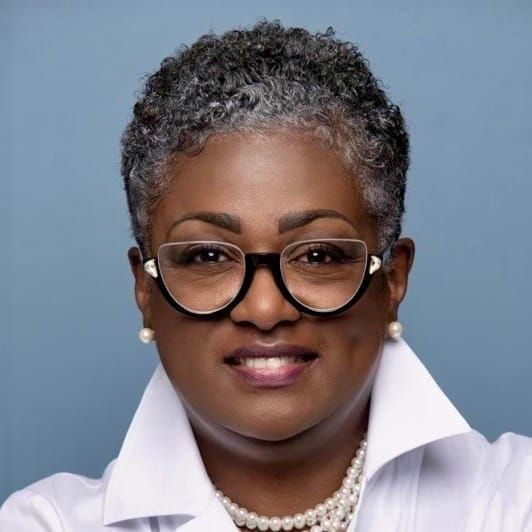
Guest Opinion by Sheila McNeil
You are making dinner, working, or finally sitting down to relax when the phone rings. The number looks local, so you answer. Instead of a neighbor, it is another sales pitch, a recorded message, or someone trying to trick you out of your hard-earned money.
You block the number. Minutes later, another call comes.
For many Alabama families, simply ignoring unfamiliar numbers is not practical. A senior may be waiting for a doctor’s call. A caregiver may need to hear from a hospital. Nobody should have to choose between answering a possible scam and missing a call that matters.
And when a caller steals someone’s savings or personal information, the harm goes far beyond an interrupted dinner.
Be honest about what protects us
Alabama merged its Do Not Call register with the National Do Not Call Registry. Registration is free and covers personal home and mobile telephone numbers. It is a useful protection against unwanted sales calls from businesses that follow the law.
The federal registry does not block calls. Some categories of calls, including political calls, charitable solicitations and legitimate surveys, fall outside its restrictions. Scammers already breaking the law may ignore it entirely.
People deserve to understand those limitations before they register, and to know what other steps they can take when the calls continue.
The PSC also has limits. State and federal law define its authority, and much of telecommunications has been deregulated. The commission cannot independently police every telephone provider or shut down overseas criminal operations. Enforcement requires cooperation with the Alabama Attorney General, federal regulators and law enforcement.
Those boundaries, however, should guide our work. They should never become an excuse for doing nothing.
Use our authority and strengthen it where necessaryI will push for a public review of the PSC’s existing telephone-solicitation and consumer-complaint responsibilities. We need clear answers. What complaints are coming in?
What action follows? Where are people getting lost in the process? What authority or resources would make our response more effective?
Where the PSC can act, it should. When a complaint belongs with another agency, consumers should receive clear guidance, and patterns of suspected violations should be referred to the appropriate enforcement officials.
I will work with legislators from both parties to identify gaps in Alabama’s protections and pursue changes consistent with federal law. That review should examine enforcement resources, penalties for unlawful solicitation, and accountability for businesses that facilitate illegal calls.
In light of the federal government reducing many consumer protections, the PSC should determine whether an Alabama-operated Do Not Call registry would add meaningful protection beyond the national system. A separate list would need effective enforcement and a clear benefit to consumers. Our ultimate goal should be fewer unwanted calls and better protection, not another registration process that leaves people wondering why the phone still rings.
Make help easy to find and use
I will advocate for a clearly identified unwanted-calls resource on the PSC website, paired with telephone assistance for people who need help.
It should explain how to register a number, recognize common scams, document an unwanted call and reach the appropriate agency. It should also help people understand available call-blocking tools and their limitations.
A person reporting a suspicious call should not need to become an expert in state and federal jurisdiction before getting useful assistance.
Bring information into our communities
The PSC should work with senior centers, libraries, churches and caregiver organizations to bring practical information directly to people.
That includes explaining how scammers disguise their numbers, why a familiar-looking caller ID is not proof of identity, and how to verify a caller’s claim independently. Brief translated materials can help the same information reach residents with limited English.The commission should also publish understandable reports on complaint trends, referrals and actions within its authority. Alabamians deserve to see what their government is doing and where stronger protections are still needed.
I will not promise that electing me will eliminate every unwanted call. I will work to make sure Alabama uses the authority it has, seeks the tools it needs, and gives people practical help protecting themselves and their families.
Taking care of Alabamians is a responsibility we cannot pass off to Washington.
Sheila McNeil is the Democratic candidate for Alabama Public Service Commission, Place 2. Learn more at mcneilforpsc2.com.