
The SAVE Act Is the Test and Reconciliation Is the Answer
Guest Opinion by Perry O. Hooper, Jr.
Guest Opinion by Perry O. Hooper, Jr.
There comes a moment in every Congress when talk has to end and governing has to begin. This is that moment. President Donald J. Trump has made the stakes unmistakably clear when it comes to election integrity: “We must have secure elections. Without secure elections, we don’t have a country.” That is not rhetoric. That is reality.
Republicans were not elected to clutch their pearls and seat on their hands. They were not sent to Washington to complain about the filibuster, hold press conferences, and then go home empty-handed. They were elected to deliver results on the issues that matter most to the American people. At the top of that list is something fundamental to the survival of this republic: election integrity.
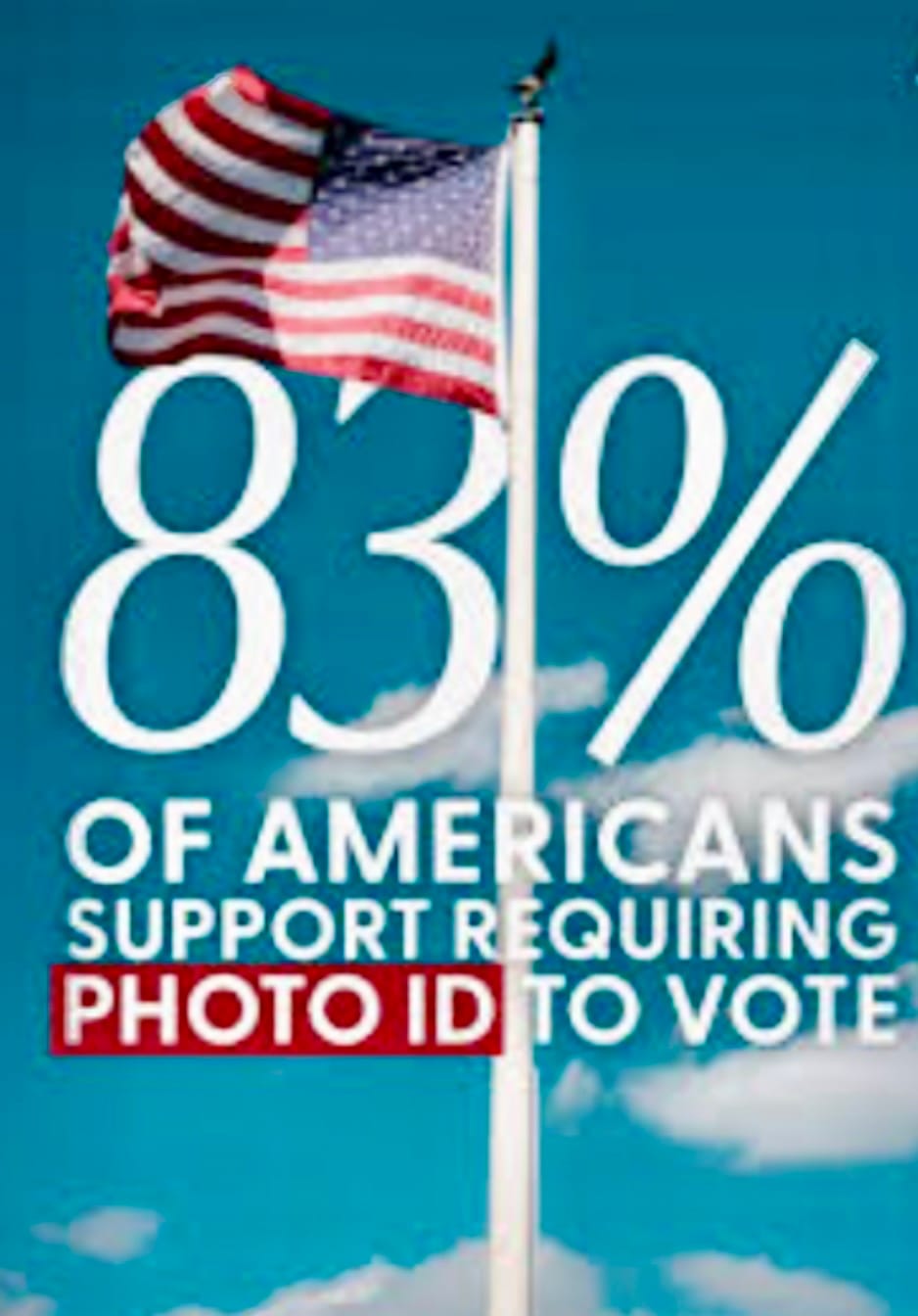
The SAVE Act is not controversial outside the bubble of Washington. It is common sense. American elections should be decided by American citizens. That is not a partisan statement. That is the foundation of self-government.
And yet, everyone in Washington understands the reality. Senate Democrats will not provide sixty votes to pass meaningful election integrity legislation. Not now. Not later. Not ever. So the question is no longer whether the SAVE Act is necessary. The question is whether Republicans are willing to use the tools they already have to get it done.
The answer is staring us in the face: budget reconciliation. This is not theoretical. This is not uncharted territory. This is exactly how Washington works when one side is serious about governing. Senator John Kennedy has already said it out loud. As he put it plainly:
“We need some smart lawyers to rewrite this bill so it complies with the rules and pass it through reconciliation with 51 votes.”
That is not a fringe idea. That is a roadmap. The Republican Study Committee, the largest conservative caucus in Congress, has gone even further. Chairman August Pfluger has said plainly that reconciliation is the best vehicle to get the SAVE Act across the finish line. Vice Chair Ben Cline is already framing a second reconciliation package as the way to deliver the America First agenda. And Mark Alford, who leads messaging for the RSC, put it in terms no one can misunderstand: failing to use reconciliation would be political malpractice and that is exactly right.
The American people are not interested in process excuses. They are not interested in procedural lectures about what cannot be done. They want to know why, with control of the House and Senate Republicans would choose not to act. Here is where the contrast becomes impossible to ignore.
Democrats used reconciliation to pass trillions in spending. They used it to expand government. They used it to reshape healthcare, energy policy, and the economy itself. They did not ask permission from Republicans. They did not wait for sixty votes. They used the rules as they exist and they delivered their agenda. Republicans now have that same tool in their hands. The difference is whether they are willing to use it and here is where this conversation becomes even more important.
The path forward has already been laid out in detail by someone who understands both policy and strategy. Gerrick Wilkins, a respected conservative voice and someone I am proud to call a friend, has provided a clear, actionable blueprint for how to get the SAVE Act through reconciliation.
His argument is straightforward and grounded in reality. Pair the SAVE Act with election-integrity funding mechanisms that meet the requirements of the Byrd Rule. Structure the legislation so that it is not just policy, but budgetary policy. Do the work. Follow the rules. Pass the bill.
That is not a gimmick. That is exactly how Democrats passed their agenda when they had the chance. They did not hesitate. They did not apologize. They governed whether you like the outcome or not.
Now Republicans have the same opportunity.
Members like Alabama Congressman Gary Palmer understand this. He has already recognized that reconciliation becomes the pressure valve when Democrats inevitably block a clean path forward. Congressman Ralph Norman and other conservatives have signaled the same thing. The will is there. The alignment is there. The public support is there.
What remains is execution.
Let’s be honest about what is at stake. If Republicans fail to use reconciliation to pass the SAVE Act, it will not be because the path was unclear. It will not be because the votes were impossible. It will be because they chose not to act and voters will remember that.
They will remember who fought to secure elections and who found reasons to wait. They will remember who treated this moment with the seriousness it deserves and who treated it like just another Washington debate.
Here in Alabama, we understand what it means to stand up and lead. Senator Tommy Tuberville has been clear that election integrity and border security are inseparable from national security. Senator Katie Britt has been on the front lines fighting to ensure that federal policy reflects the will of the people, not the priorities of Washington insiders. Both have shown that when it comes to protecting the country, you do not wait for permission. You act, that is the standard. This is the test. The tool is available and the mandate is clear. The strategy has been laid out.
Now it is time to deliver. Because if Republicans cannot secure American elections when they have the power to do so, then what exactly are they in Washington to accomplish? That is the question and answer voters will remember in November, so act now or you may never have the chance again.
Perry O. Hooper Jr. is a longtime Alabama Republican figure, former Alabama Legislator and Montgomery businessman. He served as Co-Chair of “Alabama Trump Victory” in 2016, and served as an at-large delegate to the Republican National Convention. He is a noted civic leader in Montgomery with deep family roots in Alabama’s legal and political history.
Opinions do not reflect the views and opinions of ALPolitics.com. ALPolitics.com makes no claims nor assumes any responsibility for the information and opinions expressed above.