Understanding What a Quo Warranto is in Alabama
Guest Opinion by Robert Shepherd
Guest Opinion by Robert Shepherd
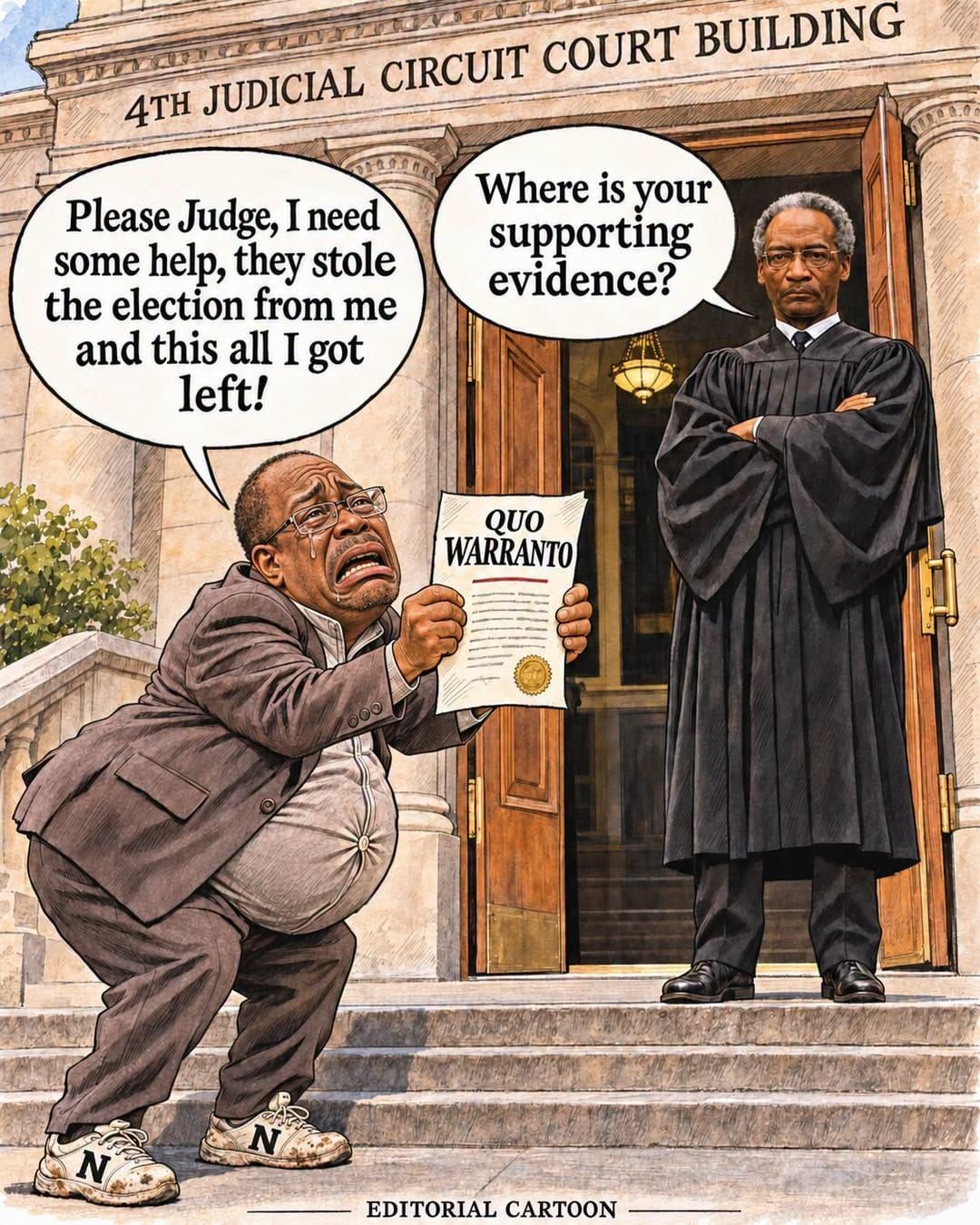
Quo warranto means “by what authority?” In Alabama, a *quo warranto* case asks a judge to decide whether someone has the legal right to hold a government office or do the duties of that office. Under Alabama Code § 6-6-591(a), the case can be brought if someone takes or uses the office without legal authority, or if a law says the person has lost the right to keep the office.
https://alison.legislature.state.al.us/code-of-alabama?section=6-6-591
Who can file, and where?
- A private citizen can start a quo warranto case in the name of the State of Alabama. The person who files it is called the relator or informant.
The case title usually looks like "State of Alabama ex rel. [Name of person filing] v. [Name of person being challenged]". Here, *ex rel.* means the case is brought in the state’s name at the request of the person filing it.
When filing the case, the person must provide a guarantee that court costs will be paid. The circuit court clerk must approve that guarantee. Without this requirement, the court has no legal authority to hear the case.
https://alison.legislature.state.al.us/code-of-alabama?section=6-6-591
- A circuit judge can direct that the action be brought when the judge believes the alleged conduct can be proved and the case is necessary for the public good. The case must be filed in the circuit court of the county where the actions are said to have happened.
https://alison.legislature.state.al.us/code-of-alabama?section=6-6-591
When does it fit a county commission dispute?
1. Who should have won the general election? For example, the dispute is over illegal votes, rejected ballots, or the declared winner’s eligibility at the time of the election.
- Alabama law lets you formally challenge an election result for these reasons. If the election was for a county office, you usually have 20 days after the results are officially announced to file a sworn statement with the circuit court clerk. You also have to provide a guarantee that the court costs will be paid.
https://alison.legislature.state.al.us/code-of-alabama?section=17-16-40
What can the judge order?
If the judge finds that someone is holding a public office or performing its duties without legal authority, Alabama Code § 6-6-600 requires the judge to order that person to give up the office.
Under § 6-6-597, the judge can also decide who has the legal right to the office if that person is added to the case and the court is told why they claim the office. If the judge rules in their favor, they can start the job after taking the oath of office and providing any required bond, which is a financial guarantee. The court can then require that the office’s records and property be turned over to the challenger.
https://alison.legislature.state.al.us/code-of-alabama?section=6-6-600
A final quo warranto judgment can be appealed directly to the Alabama Supreme Court under Ala. Code § 6-6-603, the State, the informant who brought the case, or the defendant may appeal. The notice of appeal is filed with the circuit court clerk.
https://alison.legislature.state.al.us/code-of-alabama?section=6-6-603
- Appeal deadline. Under Alabama’s Rule 4, you usually have 42 days to appeal after the court officially records its final decision. If you file certain kinds of requests on time asking the same court to review or change its decision, the appeal clock can pause. If the court decides who has the right to hold a public office before the whole case is finished, you have 14 days from when the court officially records that order to appeal it.
https://judicial.alabama.gov/docs/library/rules/ap4.pdf
#Educate2Elevate334 #Perrycountyal #accountability #transparency #progressoverpolitics #ShowTheReceipts #TruthFactsAndReceipts
This opinion piece originally appeared on Facebook. It is reprinted here with the permission of the author.
Robert L. Shepherd is a retired Army officer, combat veteran, leadership consultant, independent investigative journalist, and community activist from Uniontown, Alabama.
Opinions do not reflect the views and opinions of ALPolitics.com. ALPolitics.com makes no claims nor assumes any responsibility for the information and opinions expressed above.