Waiting on the Dream
Dr. Joe L. Reed, Alabama, and the Long Road to Unity—Guest Opinion by Lisa Ward
Guest Opinion by Lisa Ward
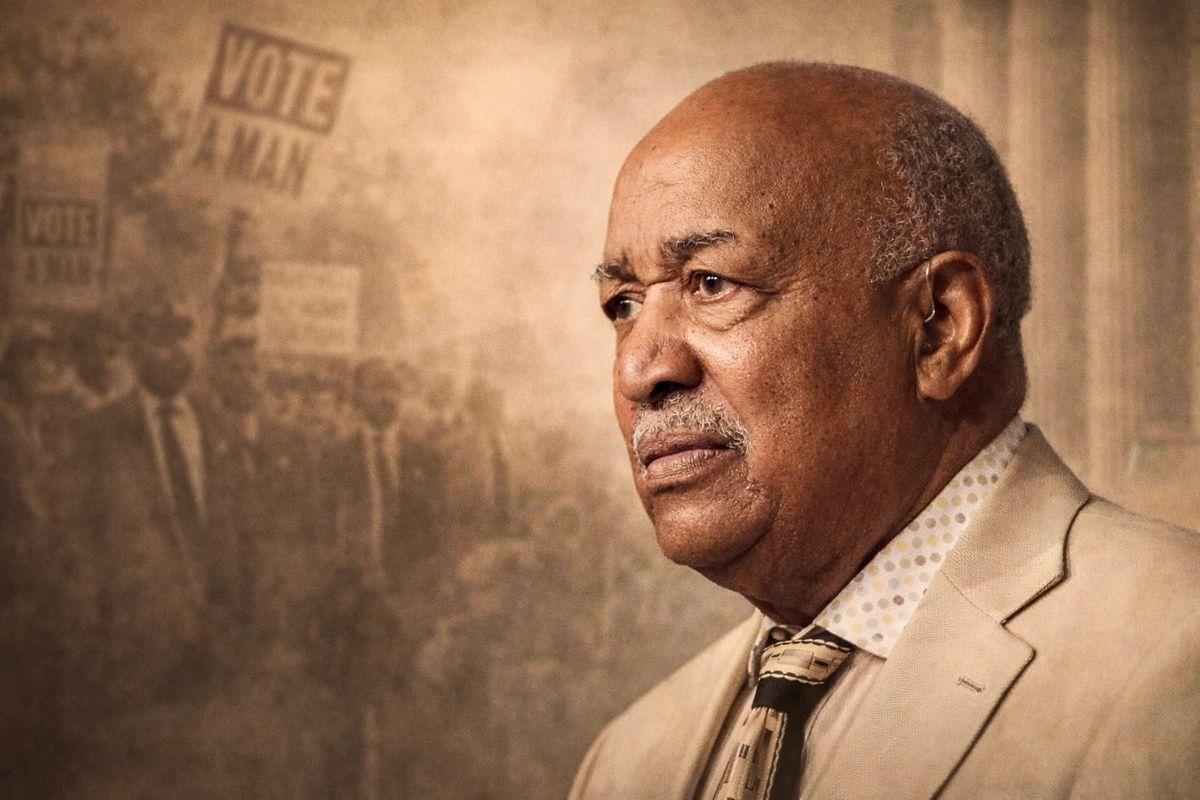
Alabama’s modern political history cannot be told honestly without naming Dr. Joe L. Reed.
For more than half a century, Reed has stood at the center of the state’s fight for Black political representation, voting rights, and basic dignity. As the longtime architect and power broker of the Alabama Democratic Conference, he helped turn raw frustration into organized strength at a time when exclusion was not subtle. It was policy, practice, and posture.
Reed did not arrive at activism out of ambition. He arrived out of necessity. Born into Jim Crow Alabama, his early life was shaped by barriers that were designed to be permanent. Education, employment, political access, none were freely given, and none came without resistance.
What started his fight was not ideology but survival. What sustained it was the unshakable belief that democracy means nothing if it only works for some.
That belief, over time, hardened into resolve. And resolve, when tested relentlessly, can calcify into something that outsiders sometimes mistake for bitterness.
It is easy to ask what made Joe Reed angry. A more honest question is why would he not be.
Decades of watching progress inch forward only to be rolled back. Decades of negotiating with political allies who needed Black voters but resisted Black power.
Decades of seeing promises made publicly and broken privately. Anger, in that context, is not a flaw. It is a rational response to sustained injustice.
Yet Alabama Democrats eventually fractured under the weight of that tension. The split between the ADC and the broader Democratic Party was not sudden. It was the result of years of mistrust, competing strategies, and unresolved power struggles. Some saw Reed’s grip on influence as necessary protection against erasure. Others saw it as stagnation, an empowerment model that once broke barriers but later struggled to adapt to a changing electorate and a new generation of voters.
This is where the story becomes uncomfortable, but necessary.
In business, stagnation often comes from repeating what once worked long after conditions have changed. Psychology tells us that growth sometimes requires doing what is not obvious, what is not expected, in order to produce a different outcome. Political movements are no different.
Empowerment can turn inward. Protection can become isolation. And survival strategies can outlive the threat they were built to defeat.
Still, not understanding a movement does not excuse disrespecting it.
I have chosen not to try to fully understand Joe Reed’s fight, but to respect it.
We do not always possess what we do not understand, but that does not give us the right to dismiss it simply because it is not ours to know. His work was never meant to be comfortable. It was meant to be effective.
What saddens me most is this. Dr. Reed is closer to the end of his life than the beginning, and the dream he chased alongside Dr. King still feels unfinished.
A whole generation has grown up without fully understanding his legacy, without being taught why his fight mattered, or what it cost him personally to carry it for so long. That absence is not accidental. It is part of how movements are quietly erased.
I will never fully understand his struggle. But I have had fights of my own, different in shape and lighter in consequence, that give me compassion and a deeper appreciation for conviction.
They remind me that progress is never guaranteed, that democracy is not inherited but defended, and that every generation is either a steward or a saboteur of what came before.
If this current administration, and this moment in American history, has shown us anything, it is how volatile our country truly is and how quickly norms can collapse when we stop paying attention. Pretending otherwise is a luxury Alabama has never had.
I struggle with the Democratic Party we affiliate with. Many do.
But disengagement at this moment is not neutrality. It is surrender. I refuse to be part of the problem when participation, however imperfect, allows me to be part of the solution.
White power in Alabama is real. Its influence is not theoretical. I am aware that I have been spared the full force of its wrath, and that awareness comes with responsibility.
Preserving what remains of hope, however small that sliver may be, is not optional. It is an obligation.
So how do we heal?
We deescalate by telling the truth without turning it into a weapon. We honor elders without freezing movements in time.
We make room for new voices without erasing the sacrifices that made those voices possible. Healing does not require agreement. It requires respect, patience, and the courage to listen without needing to win.
America has learned to coexist and thrive in unity in many places. Alabama has not, not yet. But the failure is not permanent unless we decide it is.
Joe Reed’s work should not be in vain. Not because he was perfect, but because he was faithful to the idea that equality is worth fighting for, even when the fight outlasts the fighter.
The dream is still waiting. What happens next is on us.
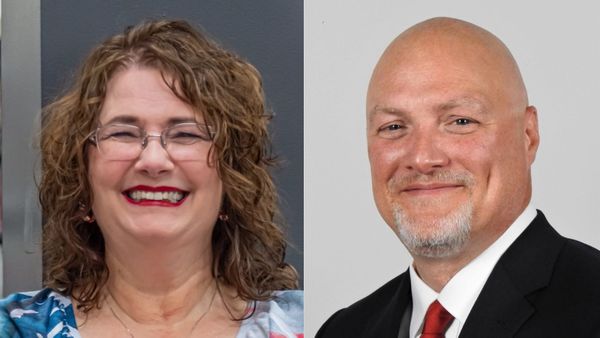
Lisa Ward is a former Democratic nominee for the Alabama State Senate, a political leader and advocate with more than three decades of experience advancing justice, equity, and community empowerment. She is known for grassroots organizing and coalition-building across the State, and is committed to policy solutions that uplift marginalized communities and strengthen democracy.
Opinions do not reflect the views and opinions of ALPolitics.com. ALPolitics.com makes no claims nor assumes any responsibility for the information and opinions expressed above.