What Alabama Really Voted For on November 3rd
Guest Opinion by Sheila McNeil
Guest Opinion by Sheila McNeil
Now that Alabama's November 3rd election is being certified, Alabamians must confront an important question: What exactly did more than 50% of Alabama voters endorse?
If the certified results accurately reflect the will of the electorate, the outcome represents more than a political victory. It represents a choice about the policies, priorities, and direction of our state and country.
Elections have consequences, measured not simply by who takes office, but by what happens to families, farmers, workers, women, seniors, and communities afterward.
Consider the policies and positions supported by Senator Tommy Tuberville and Republican leadership:
● Refusing to expand Medicaid, leaving vulnerable Alabamians without access to affordable healthcare.
● Healthcare policy changes that threaten coverage and increase costs for millions of Americans.
● Tariffs that place additional financial pressure on farmers, agricultural businesses, and consumers.
● Rising grocery costs and a federal minimum wage that has failed to keep pace with the cost of living.
● Restrictions on women's reproductive choices and healthcare decisions.
● SNAP reductions that burden families already struggling to afford food.
● High utility bills that continue to strain Alabama households.
● Federal workforce and program cuts associated with DOGE.
● Proposals to change Social Security, including raising the retirement age and shifting retirement toward private investment alternatives. Senator Tuberville has questioned the existing system and called Social Security a scam.
● Medicare policy and funding changes that threaten affordability and access for seniors and people with disabilities.
● The rapid expansion of data centers is raising questions about water consumption, electricity demand, environmental impacts, and who ultimately pays for the infrastructure.
These are not abstract political talking points. They determine whether families can afford groceries, seniors can fill prescriptions, farmers can stay in business, and working parents can keep the lights on.
Social Security and Medicare are not government handouts. Americans have spent theirworking lives paying into these programs. They represent earned benefits and a promise to generations of workers and retirees. Any politician proposing to change that promise owes the
American people a clear explanation.
And where does Alabama stand?
The numbers tell a sobering story. Alabama ranks 47th nationally in overall health, 44th in poverty, and 45th in median household income and life expectancy. According to United For ALICE, 45% of Alabama households were living in poverty or earning too little to afford basic necessities in 2024.
When nearly half our households struggle to make ends meet, we should be asking whether our elected leadership is actually improving people's lives.
We hear constant rhetoric about freedom, family values, individual responsibility, and protecting the American way of life. Yet those promises seem to mean something different when the discussion turns to healthcare, food assistance, retirement security, fair wages, and economic opportunity.
Consider Alabama's growing appetite for data centers. We are told these facilities represent economic development and progress. But where are the guarantees that existing utility customers will not subsidize the enormous electricity infrastructure these corporations require?
Who protects our water resources? Who ensures communities and ordinary ratepayers have a voice?
Apparently, we are expected to accept potentially higher utility bills while celebrating corporate expansion.
We have spent years hearing political rhetoric about socialism and communism. But perhaps we should ask whether we are building an economy that works for ordinary Americans or one that increasingly protects corporate interests while shifting costs onto working families. When corporations retain the profits while the public absorbs the risks, we have a serious problem with our economic priorities.
Even in Alabama's Bible Belt, we should recognize the contradiction between political rhetoric and the values many profess. Scripture calls us to feed the hungry, care for the sick, protect the vulnerable, treat workers fairly, and hold those in power accountable. These are human responsibilities, not partisan positions.
And there is another consequence of November 3rd that Alabamians should not overlook: our growing risk of falling further behind neighboring southern states.
For years, Alabama has promoted its advantages in aerospace, NASA, defense, and economic development. But economic opportunity requires effective political representation. Mississippi's newly elected leadership has an opportunity to deliver results for its state. Meanwhile, Alabama's congressional delegation faces an increasingly difficult challenge in demonstrating its effectiveness and securing the resources our communities need. Another election cycle dominated by partisan loyalty rather than results will only make that challenge harder.
Alabama cannot afford to be left behind.
I recognize that not everyone who voted Republican supports every policy listed here. Some voted out of party loyalty, religious conviction, or because of a particular candidate or issue. But elections have consequences beyond individual intentions. When we elect public officials, we give them the authority to advance an agenda.
The question is whether Alabamians will hold those officials accountable when their policies affect our own households.
For Democrats, the work toward 2028 cannot wait until 2028. We must act as though the next election is next week. That means staying engaged, communicating consistently, building coalitions, listening to voters, and connecting political priorities to the everyday concerns of working families. We cannot disappear between election cycles and expect voters to suddenly trust us when campaign season returns.
November 3rd is behind us. The consequences are ahead of us.
Perhaps it is time to stop asking whether Alabama is red or blue and start asking a more important question: Is Alabama doing right by its people?
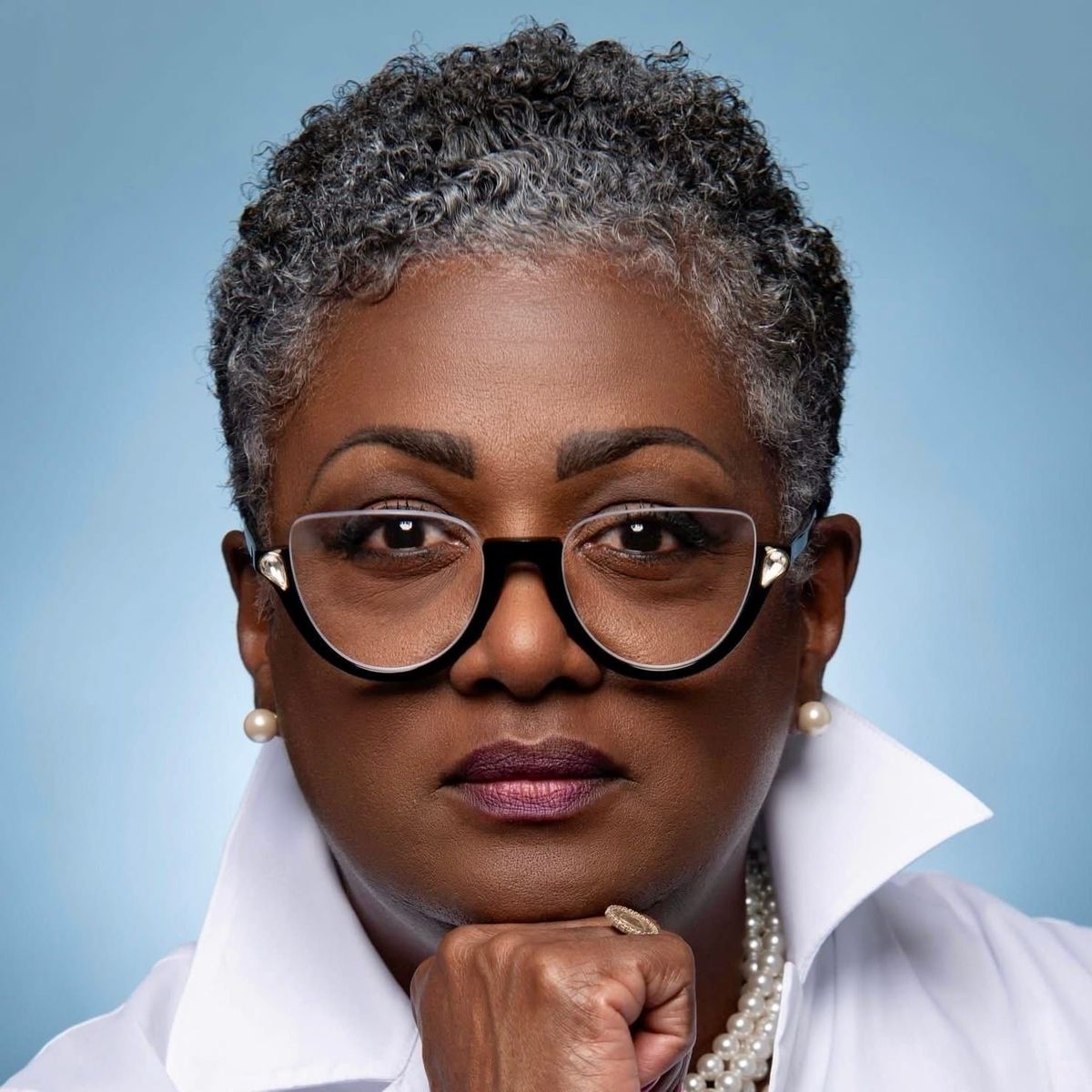
Sheila McNeil, a business owner and consultant, was the 2026 Democratic nominee for Place 2 on the Alabama Public Service Commission. A San Antonio native, she earned a bachelor’s degree in social work from Oakwood University in Huntsville and a master’s degree in public administration from the University of Texas at San Antonio. She served on the San Antonio City Council from 2005 to 2009.
McNeil took over as chair of the Madison County Democratic Executive Committee in 2023. In her PSC campaign, she called for fair utility rates, reliable service and more transparency in how the commission makes decisions.
Opinions do not reflect the views and opinions of ALPolitics.com. ALPolitics.com makes no claims nor assumes any responsibility for the information and opinions expressed above.