When Did the Classroom Become a Political Battleground?
“Classrooms should be places where children are taught how to think—not directed toward what to think or which causes to champion”—Guest Opinion by Emily Jones

Guest Opinion by Emily Jones
A couple of years ago, I came across something troubling on my son’s school-issued Chromebook. Through an app called Epic, there was a heavy emphasis on gender ideology, including transgender content being presented to very young children. I discovered books like "Jack Not Jackie," which tells the story of a young girl who wants to be a boy, and "Pride Puppy," an alphabet-style board book where letters are tied to concepts like “F is for feathers, for flags, and for fun.” Below are examples of the types of images and themes presented to young children in these books:
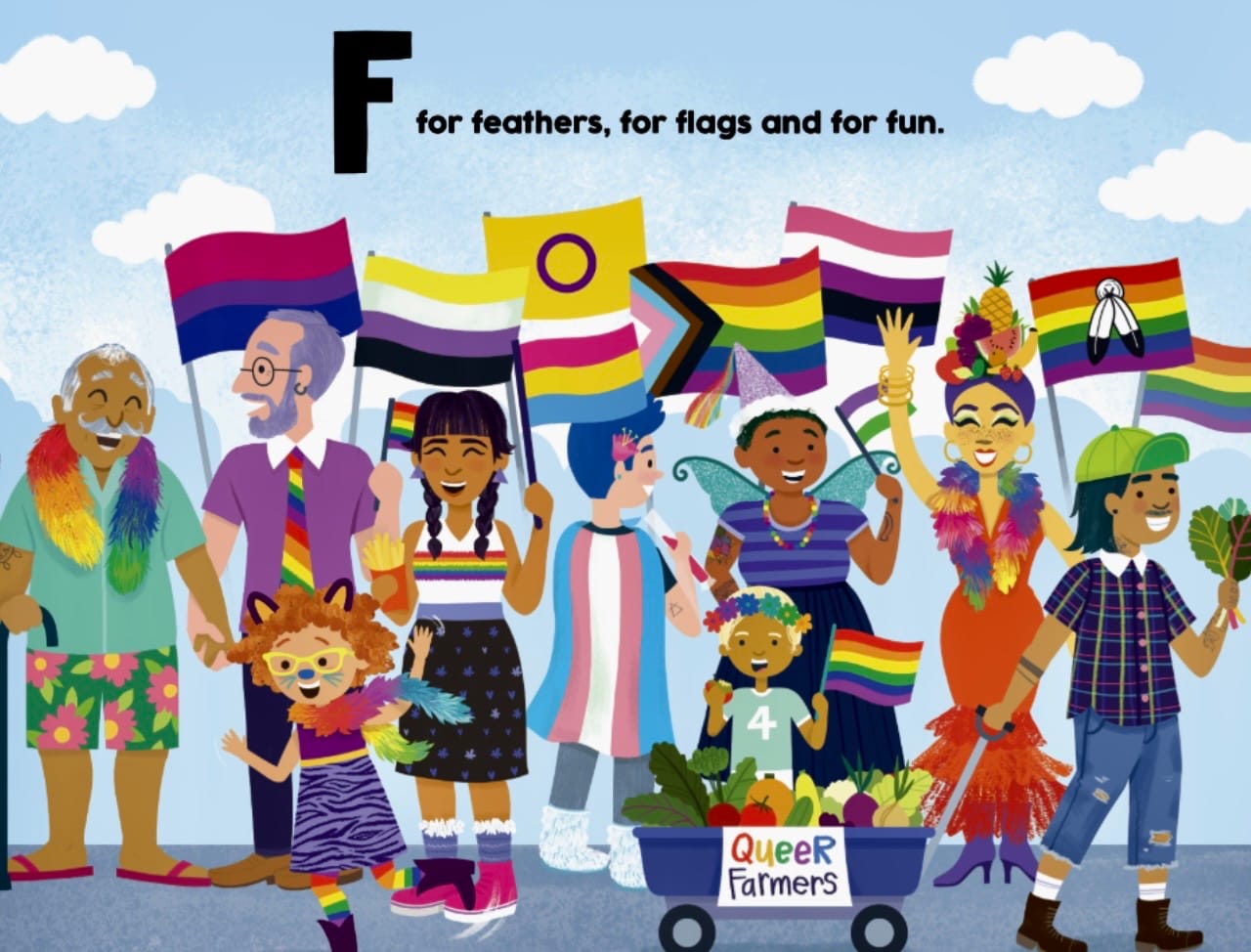
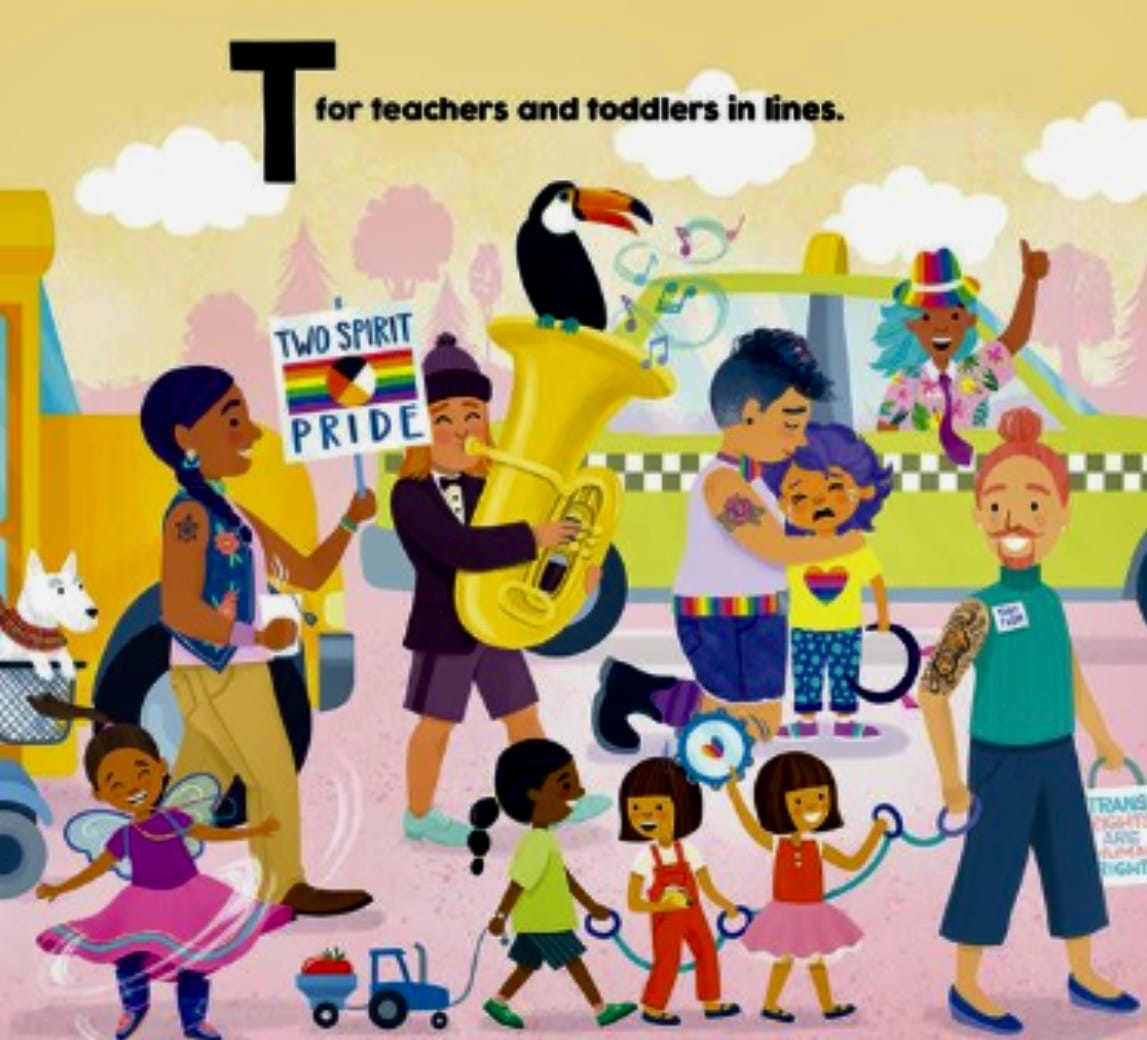
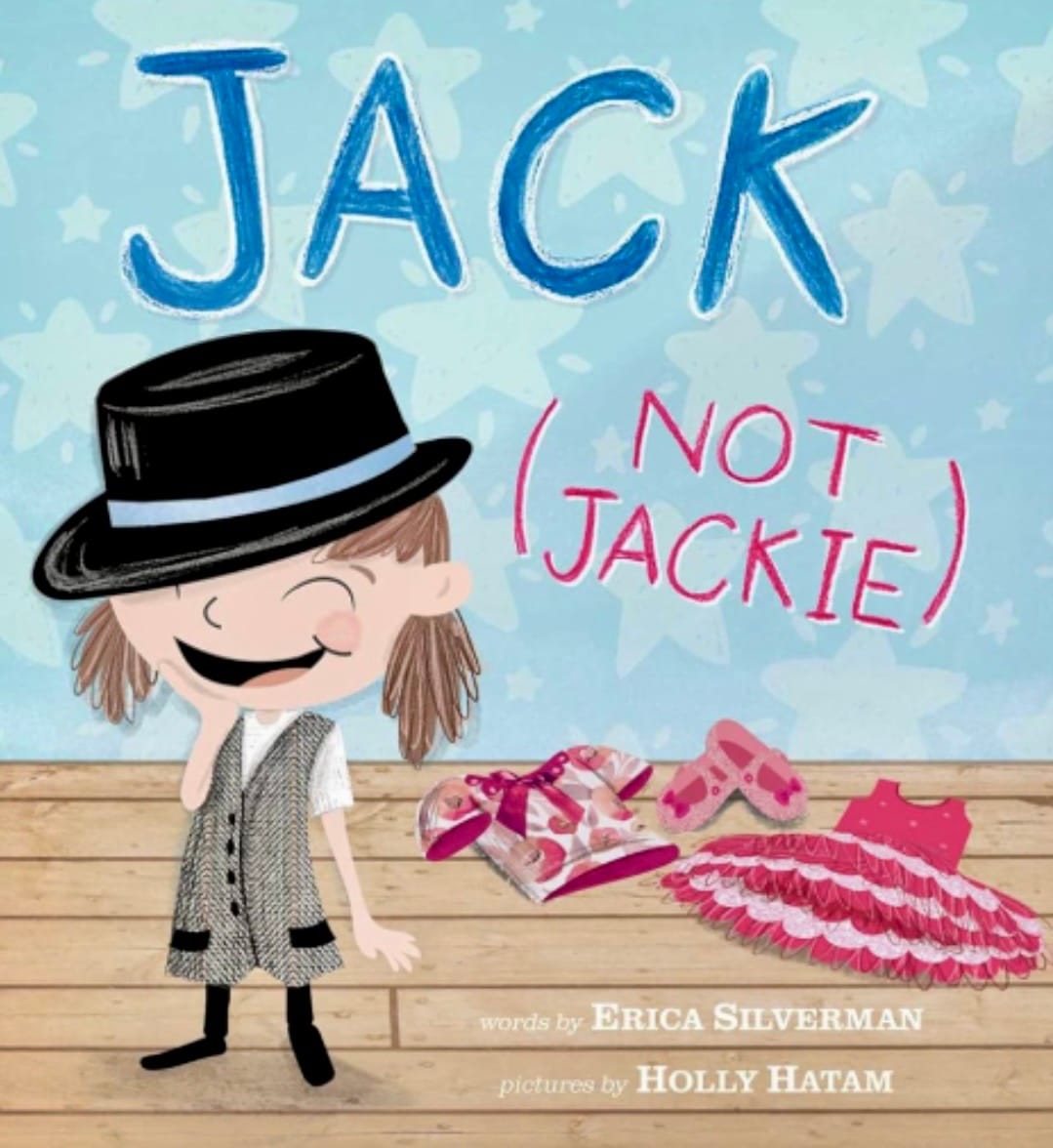
These visuals illustrate the type of material being made available to elementary-aged students. They raised serious concerns for me—not only because of their age-inappropriate themes, but because they appeared to conflict with Alabama law. I raised the alarm, and while many schools have since removed Epic, it took persistent effort from parents—and some school systems still have not removed access.
Now, history is repeating itself—this time through an app called Pebble. Pebble offers an online library where activism is not just present, but prominent. From lessons on boycotts and petitions to repeated themes around climate protests, the message is clear: activism is something students should embrace early. Figures like Greta Thunberg are highlighted, and social justice reform becomes a recurring focus in reading materials.
And I’m not the only one seeing this.
Over the past several weeks on the campaign trail, I’ve heard the same concerns again and again from parents across our communities. One mom shared her frustration with what her child was accessing on YouTube through a school-issued device—during the school day. Others have raised concerns about artificial intelligence tools being introduced without clear guardrails or parental consent.
This isn’t isolated. It’s not just one app or one district. It’s a growing, across-the-board concern about technology in the classroom and what our children are being exposed to.
What’s even more concerning is that these same themes are now appearing in state-approved textbooks. In the latest review of social studies materials, I found content that leans heavily into climate activism and modern ideological narratives—often without presenting multiple perspectives or encouraging true critical analysis.
So whether it’s during free reading on a school-issued device or during structured classroom instruction, the message students are receiving is increasingly the same: activism is central.
I’ve been working to push back on this for years. I didn’t step into this issue because of a campaign—I stepped into it as a mom trying to understand what my child was being exposed to. I’ve raised concerns, worked alongside other parents—many of whom are now speaking out as well—and advocated for change wherever I could.
But it’s clear we still have more work to do.
Parents deserve transparency. Students deserve a balanced education. And our classrooms should be places where children are taught how to think—not directed toward what to think or which causes to champion.
That’s why this issue matters. And it’s why so many parents—myself included—are no longer willing to stay silent.
Emily Jones is a North Alabama mother, education advocate, and chair of Moms for Liberty–Madison County. She is currently running for the Alabama State Board of Education in District 8, representing Madison, Limestone, Jackson, and DeKalb counties.
For more information about Jones and her campaign, visit https://www.emilyjonesforstateboard.com or follow her on social media.
Opinions do not reflect the views and opinions of ALPolitics.com. ALPolitics.com makes no claims nor assumes any responsibility for the information and opinions expressed above.