When Utility Power Grows, Affordability Shrinks
Guest Opinion by Keith O. Williams, Independent Candidate for Alabama House District 55
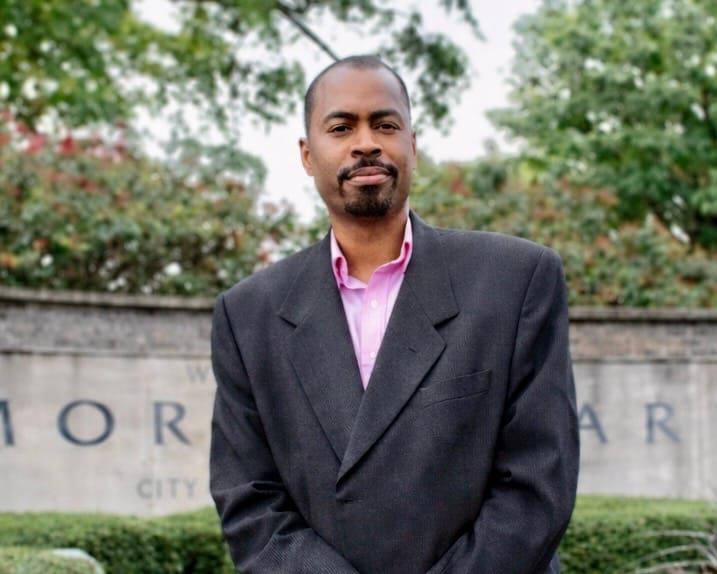
Guest Opinion by Keith O. Williams, Independent Candidate for Alabama House District 55
Alabama families are feeling the strain of rising utility costs, yet too often the policy decisions driving those increases happen far from public view. Bills like SB71, SB268, and HB392 may appear technical or unrelated on the surface, but together they reveal a troubling trend: decisions that reduce oversight, limit accountability, and shift long-term costs onto everyday people.
SB71 restricts Alabama’s ability to adopt environmental protections stronger than federal standards, even when local conditions or emerging science call for action. Federal rules are meant to be a minimum baseline, not a ceiling. When states are prevented from acting early, environmental and infrastructure problems are addressed only after harm occurs — at far greater cost.
Those costs don’t vanish. They show up later through emergency repairs, system failures, and public health impacts — expenses utilities routinely pass on to customers.At the same time, SB268 and HB392 would move Alabama Public Service Commission members from being elected by voters to being appointed by state government. That shift removes direct accountability from the very body tasked with regulating utilities and protecting consumers from unfair rates and practices.
Taken together, these bills weaken two critical safeguards at once: environmental flexibility and democratic oversight.When regulators can’t act early, infrastructure degrades.
When voters lose control, transparency declines.
And when accountability fades, affordability suffers.
Utility companies operate as monopolies.
Consumers can’t shop around when rates rise or service falters. That’s precisely why strong oversight, public accountability, and transparency matter — not just for fairness, but for affordability.
Supporters of these bills argue they reduce overreach or create efficiency. But limiting state action and removing voter oversight doesn’t reduce costs — it delays responsibility. And delayed responsibility is almost always more expensive.
The question Alabamians should be asking is simple:
Who decides, and who pays?
If utilities gain influence while communities lose their voice, families will pay the price through higher bills, unsafe infrastructure, and declining trust in government.
My approach to public service is guided by a clear framework:Accountability — leaders answer for long-term impacts, not just short-term gainsCommunity — people most affected deserve a voiceTransparency — decisions should be public, understandable, and open to scrutiny.
Utility affordability isn’t just a rate issue. It’s a governance issue.
Alabama can protect consumers, maintain fair utility regulation, and keep costs manageable — but only if we preserve oversight, transparency, and the public’s right to hold decision-makers accountable.
Once accountability is lost, families pay more.
Keith O. Williams is an Independent candidate for Alabama State House of Representatives in District 55, a Certified Counselor Practitioner & Peer Support Specialist.
Williams will face incumbent Travis Hendrix in Alabama House District 55 in the General Election on November 3, 2026. For more about his campaign, visit his Facebook page.
Opinions do not reflect the views and opinions of ALPolitics.com. ALPolitics.com makes no claims nor assumes any responsibility for the information and opinions expressed above.