Who Should Decide Utility Oversight in Alabama?
“Ultimately, utility policy is not just about government agencies or corporations. It is about people”— Guest Opinion by Keith O. Williams
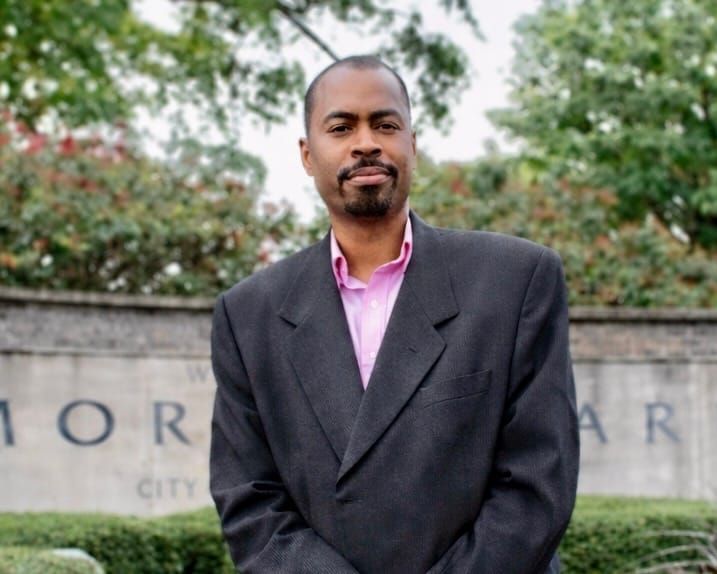
Guest Opinion by Keith O. Williams
Across Alabama, many residents are paying closer attention to something that usually stays out of the headlines: the Alabama Public Service Commission (PSC). That may sound like a technical government body, but its decisions affect something every family notices immediately — their power bill.
Recent discussions in the Alabama Legislature about several bills involving the PSC have raised important questions about transparency, accountability, and how utility regulators should be selected.
Why the PSC Matters
The Alabama Public Service Commission regulates utilities such as electricity and natural gas. Its decisions influence:
1. Electricity rates
2. Utility infrastructure investments
3. Consumer protections
4. Oversight of large utility companies
Because electricity is a basic necessity, the PSC has a direct impact on the cost of living for households, seniors on fixed incomes, and small businesses.
Currently, PSC commissioners are elected statewide by voters, which is somewhat unusual compared to many other states where regulators are appointed.
The Recent Legislative Debate
During the current legislative session, several bills have been introduced that affect the PSC.
Earlier proposals — including HB392 and SB268 — sparked significant public attention because they would have changed how commissioners are selected, shifting power away from voters. Those proposals ultimately lost momentum after citizens, organizations, and lawmakers raised concerns.
Another proposal, SB360, seeks to restructure the commission and change how representation is organized by expanding membership and tying representation more closely to geographic districts. However, the bill calls for a new position that can override the PSC related to meetings and agendas. This is the latest attempt of politicians and utility companies to take control.
Meanwhile, HB475 takes a different approach. Instead of changing how commissioners are chosen, HB475 focuses on increasing transparency and consumer protections. The bill proposes requiring the PSC to hold public hearings on electricity rates and utility operations, giving residents an opportunity to hear directly from utilities and regulators. It also includes provisions aimed at ensuring certain corporate expenses—such as lobbying or promotional costs—are not passed on to consumers through utility bills.
While these bills differ in their approaches, they all point to the same underlying issue: how to ensure the PSC operates in a way that protects consumers while maintaining reliable energy service.
Common Ground
Despite the political debate surrounding these proposals, there is actually a lot of common ground among Alabamians.
Most people agree on a few basic principles:
1. Electricity should be affordable
2. Utility decisions should be transparent
3. Regulators should be accountable to the public
4. Energy infrastructure must remain reliable
Whether someone prefers elected regulators or another structure, those goals remain widely shared.
A Path Forward
Moving forward, the conversation should focus less on political differences and more on practical solutions that strengthen public trust.
Several ideas have gained support from voters and policymakers alike:
1. Greater transparency.
Regular public hearings on electricity rates—such as those proposed in HB475—would allow residents to hear directly from utilities and regulators about how decisions are made.
2. Clear consumer protections.
Ensuring that certain corporate costs are not passed on to ratepayers could strengthen public confidence and help keep utility bills fair.
3. Strong public accountability.
Whether regulators are elected or appointed, the system should ensure that the public has meaningful oversight of decisions that affect household costs.
4. Reliable and modern energy infrastructure.
Maintaining dependable energy service while planning for future needs is essential for economic growth and community stability.
The Role of Voters
Ultimately, utility policy is not just about government agencies or corporations. It is about people — families trying to manage their monthly expenses, seniors living on fixed incomes, and businesses trying to remain competitive.
When citizens stay informed, ask questions, and participate in public discussions, it helps ensure that policies reflect the needs of the communities they serve.
Alabama’s energy future should be built on affordability, transparency, and accountability. By focusing on practical solutions and shared goals, policymakers and citizens can work together to strengthen a system that affects every home in the state.
As an independent candidate for Alabama House District 55, my commitment to you is accountability by actively listening to you, community engagement that seeks common ground, and transparency that educates, informs, and transforms. I can't set or change the rates, but I influence and advocate for policies that will hold to PSC accountability. That can affect your electric rates. Beware of candidates who promise things outside the scope of being a legislator. It sounds good, but it’s a lie. If a candidate is bought and paid for by any utility, run! That person is not for you. They're for their pockets.
I must earn your trust before I can earn your vote. That's my promise to you. It's time to ACT.
Keith O. Williams is an independent candidate for Alabama State House of Representatives District 55. He is a nonprofit leader, a community advocate, a certified counseling practitioner, and a peer support specialist.
Williams will face incumbent Travis Hendrix in the General Election on November 3, 2026.
To learn more about the campaign, please visit https://keithforalhd55.keithowilliams.com and follow him on Facebook, Twitter, and Instagram @kowilliamspc.
Opinions do not reflect the views and opinions of ALPolitics.com. ALPolitics.com makes no claims nor assumes any responsibility for the information and opinions expressed above.