Why Political Lies Stick—and Admitting It Hurts
Guest Opinion by Robert Shepherd
Guest Opinion by Robert Shepherd
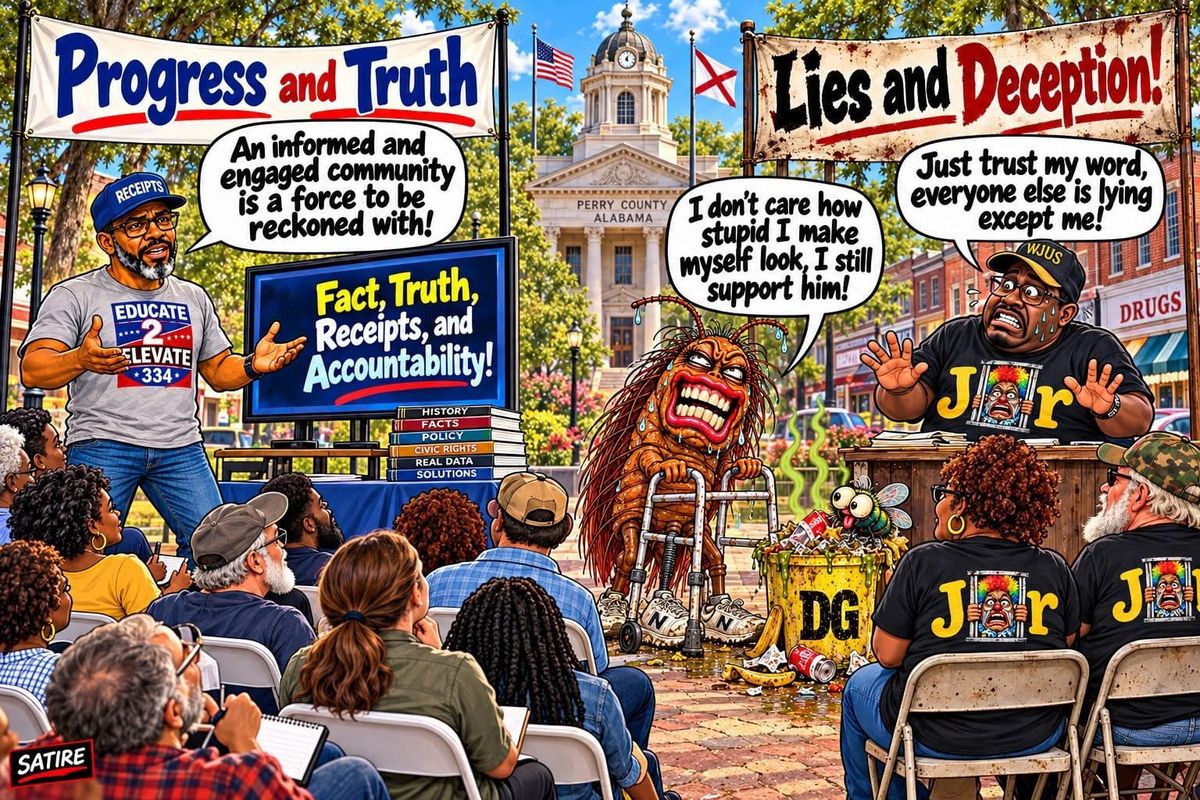
It's easier to fool someone than to convince them they have been fooled!
The statement captures a real tendency in American politics: accepting a lie or misleading claim takes little effort, while admitting deception can force someone to reconsider their judgment, loyalties, and public reputation.
Why It Can Be Hard to Admit You Were Fooled in Politics
1. Political beliefs can become part of who people are.
For some people, politics connects to their family, church, friends, and community. When someone questions their political beliefs, it can feel like a personal attack.
You might say, “That claim is false,” but they might hear, “You and the people you trust are foolish.” That makes it harder to talk openly about the facts.
https://pmc.ncbi.nlm.nih.gov/articles/PMC10289897
2. Admitting you were fooled can hurt your pride.
Someone may have donated money, argued with relatives, or defended a politician online. Admitting the politician lied may also mean saying, “I trusted the wrong person and helped spread false information.”
That can be uncomfortable. Making excuses may feel easier than admitting a mistake.
https://www.aeaweb.org/articles?id=10.1257%2Fapp.1.1.86&
3. Hearing something over and over can make it seem true.
A false claim can start to sound believable when people keep hearing it on television, radio, Facebook, or from friends.
But hearing the same story from ten people does not mean there are ten sources of proof. All ten people could be repeating the same false and misleading story.
https://pubmed.ncbi.nlm.nih.gov/30247057/
4. A simple false story can spread faster than a detailed explanation.
A politician might say, “The Republican controlled commission caused your problems, and I will fix them.” That message is easy to understand and repeat.
Checking it may take more work. People might need to read budgets, court papers, or meeting records.
For example, an official might take credit for a project approved before they took office. Making that claim takes seconds. Finding the records that show what happened takes longer.
5. Distrust can become an excuse to ignore facts.
Some leaders tell supporters that anyone who questions them is an enemy. Supporters may then reject news reports, audits, or official records without checking them.
Instead of asking, “What does the evidence show?” they ask, “Whose side are you on?”
Being careful means checking everyone’s claims—including claims from people you support.
https://pmc.ncbi.nlm.nih.gov/articles/PMC8053951
6. Changing your mind can cause problems with friends and family.
If everyone around you supports the same politician, admitting a mistake can feel risky. You may worry that people will laugh at you, argue with you, or call you disloyal.
Someone may privately doubt a claim while still defending it in public.
7. Fear of the other candidate can lead people to excuse bad behavior.
A voter may know their favorite politician lied but still think the other candidate would be worse.
That means supporting a politician does not always mean believing everything that politician says. Someone can accept the facts and still vote for the same person.
https://pmc.ncbi.nlm.nih.gov/articles/PMC8053951
8. People can confuse loyalty with good judgment.
Some people honestly believe false information because they trust their political side. They may think defending their leader means they are doing the right thing.
But believing something strongly does not make it true. Facts still need to be checked.
People can learn and change their minds.
https://academic.oup.com/pna.../article/3/11/pgae506/7890756
People do admit mistakes, and correcting false information usually helps them understand the facts better.
The hardest part may be saying: “I believed it. I defended it. I helped other people believe it, too.”
Admitting that takes courage. We make accountability stronger when we allow people to correct their mistakes and hold every leader to the same standards.
Its strongest insight is the personal cost of acknowledgment: “That claim was wrong” is much easier to say than “I trusted it, defended it, and helped persuade others to believe it.” American political accountability depends partly on making that admission possible—and applying the same standards to leaders we support as to leaders we oppose.
#Educate2Elevate334 #Perrycountyal #accountability #transparency #progressoverpolitics #ShowTheReceipts #TruthFactsAndReceipts
This opinion piece originally appeared on Facebook. It is reprinted here with the permission of the author.
Robert L. Shepherd is a retired Army officer, combat veteran, leadership consultant, independent investigative journalist, and community activist from Uniontown, Alabama.
Opinions do not reflect the views and opinions of ALPolitics.com. ALPolitics.com makes no claims nor assumes any responsibility for the information and opinions expressed above.