
Alabama Among States Seeking Healthy Changes to SNAP Rules
As more States restrict junk food purchases through SNAP, Alabama seeks similar reforms while promoting healthier options
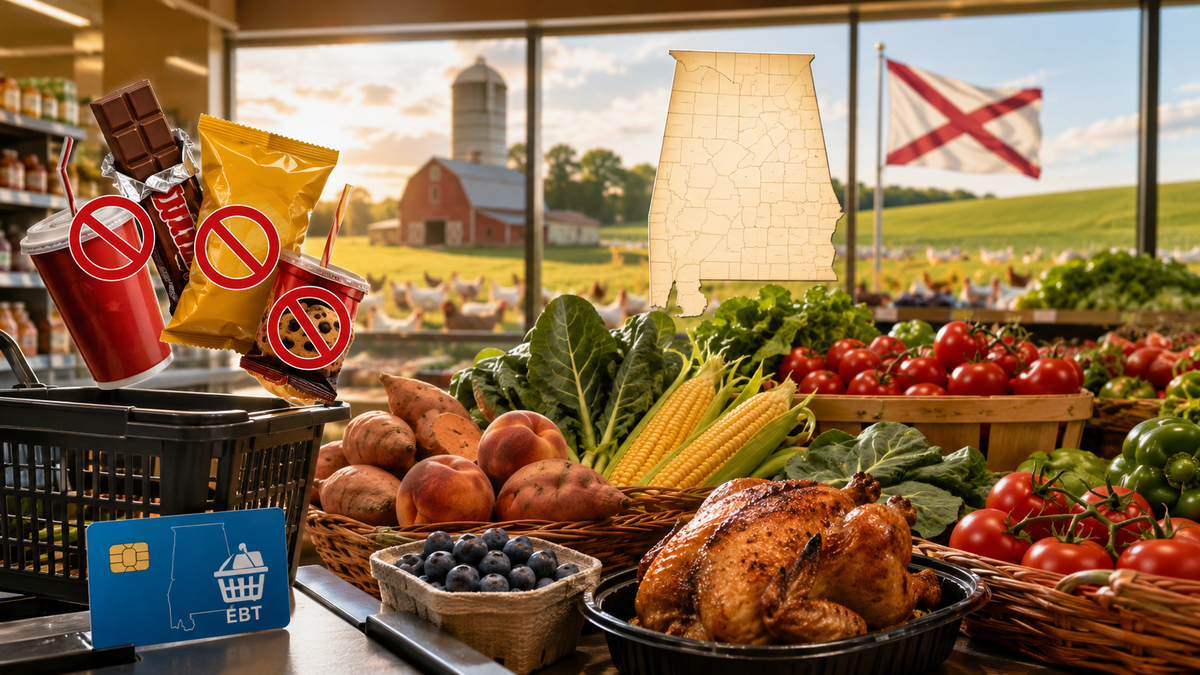
As a growing number of States move to restrict the purchase of candy, soda, and other junk food with Supplemental Nutrition Assistance Program (SNAP) benefits, Alabama lawmakers and some policy advocates are increasingly focusing on how similar changes can be made here.
At least 18 States have received or sought federal approval to limit the use of SNAP benefits for certain sugary foods and beverages. The effort has gained momentum as policymakers across the country look for ways to address obesity, diabetes, and other diet-related health conditions among low-income populations.
The push to restrict candy and soda purchases through SNAP also aligns with the national "Make America Healthy Again" (MAHA) agenda championed by U.S. Health and Human Services Secretary Robert F. Kennedy Jr. Since taking office, Kennedy has encouraged States to seek federal waivers limiting the use of taxpayer-funded nutrition benefits for highly processed foods and sugary beverages. Supporters argue that nutrition assistance programs should promote healthier eating habits and help address rising rates of obesity, diabetes, and other chronic diseases. Several of the States that have pursued SNAP restrictions have cited the MAHA initiative and Kennedy's public support as part of the rationale for seeking federal approval.
The movement reflects a broader debate over the purpose of SNAP, formerly known as the food stamp program. Supporters of restrictions argue that taxpayer-funded nutrition assistance should promote healthier food choices. Opponents contend that the changes unfairly target low-income families and add new layers of government oversight to grocery purchases.
In Alabama, discussion of SNAP restrictions has already resulted in legislative action.
In July of 2025, State Sen. Arthur Orr (R-Decatur), publicly considered legislation that would remove candy and soda from the list of items eligible for purchase through SNAP. At the time, Orr said he was examining ways to improve health outcomes and reduce taxpayer support for products linked to obesity and chronic disease.
In the 2026 legislative session, Orr sponsored Senate Bill 57, which passed the Legislature and sought a federal waiver to prohibit SNAP recipients from purchasing candy and soda with their benefits. The legislation was modeled on similar efforts underway in other States.
Speaking in support of the measure, Orr argued that the State should not subsidize products that contribute to Alabama's high obesity rates.
"It seems like it's good policy to say, 'the taxpayers shouldn't be funding sugar type drinks, etc., that are contributing to Statewide obesity levels,'" Orr said.
Orr has also said the legislation is aimed primarily at improving public health and reducing obesity, particularly among children.
Alabama has enacted SB57 and directed the Department of Human Resources to seek a federal waiver from USDA to prohibit SNAP purchases of candy and soda. As of June 2026, no public announcement indicates that USDA has approved Alabama's waiver request, meaning the restrictions have not yet taken effect. However, SB57 includes provisions for the Department to apply annually until the waiver is granted. With several surrounding States, Tennessee and Florida among them, already having received such a waiver, it is likely that Alabama’s waiver will be approved at some point in the future.

Supporters of SNAP reform often point to another federal nutrition program already operating in Alabama.
The Special Supplemental Nutrition Program for Women, Infants and Children, commonly known as WIC, already limits purchases to approved food categories designed to support nutrition and health. Participants cannot use WIC benefits to buy candy, soft drinks, or other non-nutritious products.
Advocates of SNAP reform argue that restricting junk food purchases would bring SNAP more in line with the standards already used by WIC, which has long focused on directing benefits toward specific healthy foods.
That argument has become a central talking point among Alabama officials seeking changes to the SNAP program.
While some Alabama leaders have focused on restricting unhealthy purchases, others have proposed expanding access to nutritious foods.
Last fall, Alabama Commissioner of Agriculture and Industries candidate Christina Woerner McInnis joined Rep. Donna Givens (R-Loxley) and poultry industry leaders to promote legislation that would allow SNAP recipients to purchase Alabama-produced rotisserie chicken.
"Rotisserie chicken is a ready-to-eat, protein-rich food that working families depend on, but under current rules, it isn't eligible for SNAP. That doesn't make sense," McInnis said during a press conference in Blount County.
The proposal sought to close what supporters describe as a gap in federal policy. While SNAP recipients can purchase many uncooked poultry products, prepared hot rotisserie chickens generally remain ineligible under current federal rules.
McInnis argued that expanding eligibility would help Alabama families while supporting the State's poultry industry, one of Alabama's largest agricultural sectors.
The effort highlighted an alternative approach to SNAP reform: encouraging healthier choices by increasing access to nutritious prepared foods rather than focusing solely on restrictions.
As States continue seeking federal waivers and implementing restrictions on sugary foods and beverages, Alabama finds itself in the middle of a national policy debate.
Some lawmakers see junk-food restrictions as a common-sense public health measure. Others believe education and expanded access to healthy foods would be more effective than limiting consumer choices.
What appears increasingly clear is that the conversation is no longer confined to a handful of States. With at least 18 States moving forward with restrictions and others considering similar action, the future shape of SNAP may look very different from the program Americans have known for decades.