Trump Administration Directs $2B to Faith-Based Aid
Nearly $2 billion will support faith-based health and relief groups abroad, including World Vision, Samaritan’s Purse and others
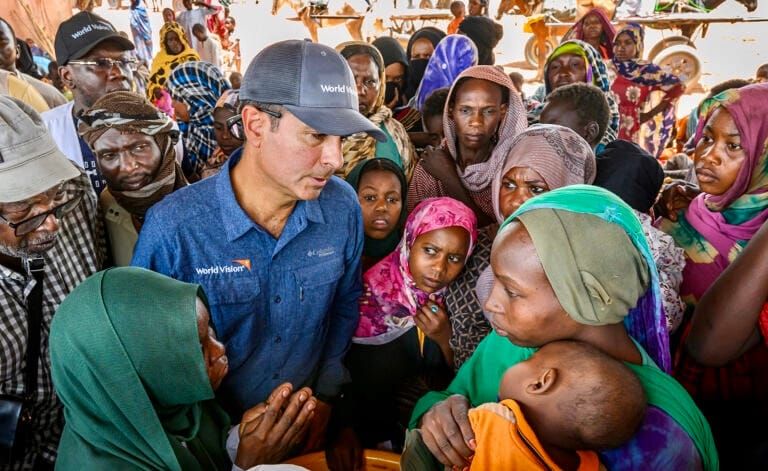
The Trump administration is directing nearly $2 billion in U.S. foreign aid to faith-based groups that provide health care and disaster relief across the globe.
The State Department announced the new funding Aug. 6 as part of President Donald Trump's America First Global Health Strategy. The plan shifts a large share of U.S. aid toward Christian and other faith-based groups with long records of operating hospitals, clinics and relief programs overseas.

The move follows deep cuts to foreign aid programs once run through the U.S. Agency for International Development. The Trump administration has sought to overhaul the nation's foreign aid system, arguing that U.S. dollars should be tied more closely to American interests
The largest share of the new funding — about $1.4 billion — will support roughly 2,500 faith-based hospitals and clinics. The money will also help train and pay tens of thousands of local health workers in more than a dozen nations, The Alabama Baptist has reported.
World Vision and a group of local faith-based organizations are slated to receive up to $850 million over five years through the State Department's Faith and Community Initiative. The award remains subject to the availability of funds.
Another $570 million is set aside for faith-based and community hospitals and clinics through agreements with foreign governments.
The State Department has pointed to the large role religious groups already play in health care across parts of Africa. Its global health strategy found that faith-based providers account for more than half of health care capacity in Eswatini and Uganda and more than 40 percent in several other nations.
The administration is also directing $538 million toward humanitarian crisis aid.
Recipients include Samaritan's Purse and a consortium co-led by World Vision and Compassion International, working with Accord Network. Accord describes its members as organizations that put Christian faith into action through relief and development work.
Other organizations involved in the Faith and Community Initiative include Catholic Relief Services, Adventist Development and Relief Agency International, HOPE Worldwide, International Care Ministries and LifeNet International.
The National Association of Evangelicals welcomed the decision. NAE President Walter Kim said faith-based hospitals and relief groups combine local trust and compassionate service with the resources and diplomatic support government can offer.
The announcement marks a notable turn after Christian aid organizations were themselves hit by the administration's earlier foreign aid cuts.
World Vision reported receiving $511 million in government grants during the fiscal year that ended in September 2025, down from $636 million the prior year. World Vision CEO Edgar Sandoval said last year that his organization lost about $170 million after the administration's cuts.
Catholic Relief Services also saw government grants fall, from $761 million to $550 million, according to its financial disclosures. The State Department separately announced $250 million in humanitarian aid for Catholic Relief Services in June.
Samaritan's Purse President Franklin Graham has stressed that government grants make up only a small part of his organization's funding. He said the new State Department money would allow the ministry to expand its work while maintaining its Christian mission.
The administration's decision has also drawn fire from secular groups and some non-Christian aid organizations.
The Freedom From Religion Foundation called the plan “outrageous” and criticized the decision to direct hundreds of millions of dollars toward major evangelical ministries. The group argues that humanitarian aid should be awarded based on need and the ability to provide services rather than an organization's religious identity.
The American Jewish World Service said it was not consulted about the program and learned about it through the State Department's announcement. Its President and CEO, Tawanda Mutasah, also raised concerns that administration policies could limit which people receive aid.
The State Department has also funded secular humanitarian groups. It recently released $600 million in funds approved by Congress for Gavi, the Vaccine Alliance, which works to expand access to vaccines worldwide.
Heather Taylor, interim President and CEO of the Christian anti-hunger group Bread for the World, said the faith-based organizations chosen for the program have decades of experience providing care in some of the world's hardest-to-reach areas. She also warned that more aid will be needed after the earlier cuts to global health, nutrition and food programs.
The nearly $2 billion commitment represents one of the Trump administration's largest foreign aid moves since its overhaul of USAID. Rather than ending overseas assistance outright, the administration is shifting a significant share of that work toward private faith-based organizations with established networks on the ground.