Alabama's Jared Hudson: Truth or Fiction?
Internal polling reviewed by ALPolitics throughout the race consistently showed Hudson ranging between 9% and 13%, far below the numbers being publicly promoted online.

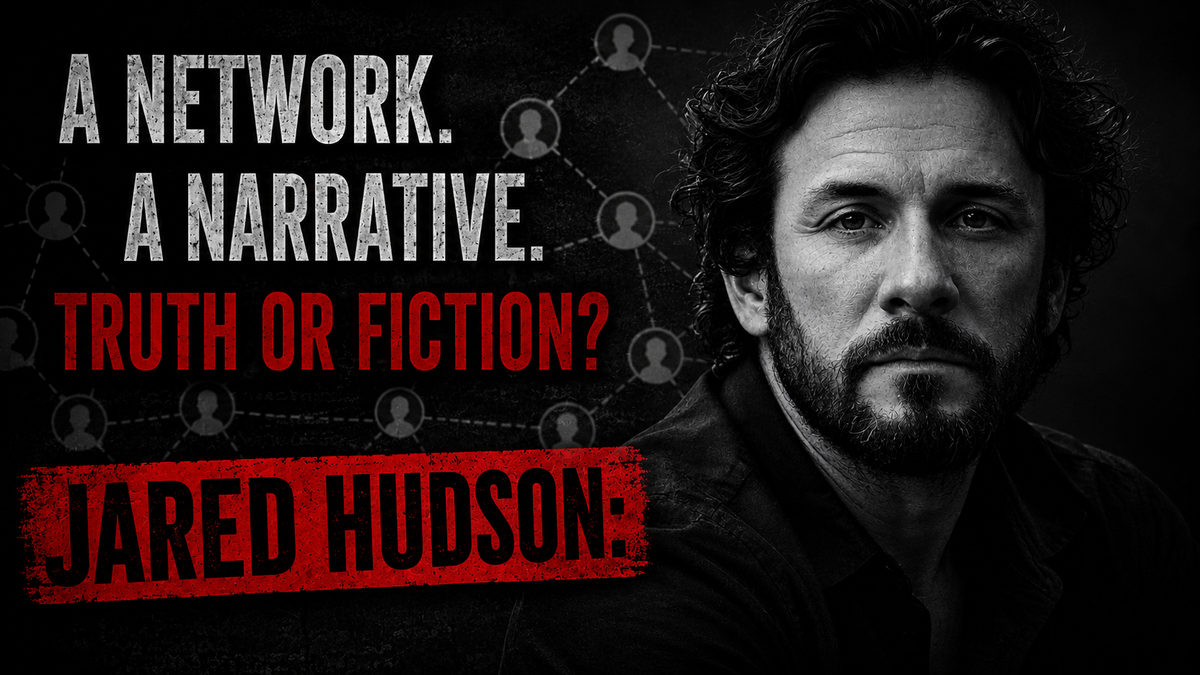
For months, Alabama Republicans have watched an aggressive online narrative claiming Republican U.S. Senate candidate Jared Hudson was “surging,” “in a dead heat,” or even on the verge of taking over the race.
But after weeks of interviews, polling analysis, social media monitoring, and conversations with sources familiar with the operation, I have uncovered what appears to have been a coordinated effort to manufacture momentum around Hudson’s campaign.
The effort did not appear entirely organic. According to interviews, internal observations, documented online activity, and information gathered during this investigation, the campaign’s momentum was amplified through aggressive social media coordination, favorable polling narratives, influencer promotion, media relationships, and organized messaging designed to create the perception of a rapidly growing grassroots movement.
Whenever ALPolitics published virtually any article related to the Senate race, the same pattern repeatedly emerged. Within minutes, accounts would flood comment sections posting nearly identical statements such as “Jared Hudson has my vote,” “Vote Jared Hudson,” or “Jared Hudson has my family’s vote.” At the same time, many of the same accounts would post identical attacks against Barry Moore and other candidates using phrases like “career politician,” “The President is wrong this time,” or “No one will tell me how to vote.”
It often did not matter what the article itself was actually about.
Soon afterward, many of the same accounts would appear again, repeating similar talking points and reinforcing the same narrative. I documented numerous profiles displaying characteristics commonly associated with coordinated or burner-style social media accounts, including limited personal activity, unusually low friend counts, repetitive posting behavior, and synchronized messaging patterns.
The activity became so consistent that I decided to launch an internal investigation into whether the operation was being coordinated behind the scenes.
That investigation intensified after revelations involving popular X influencer Gunther Eagleman, who was publicly accused months ago of charging political campaigns and organizations to repost and amplify content to his massive audience. Sources familiar with Hudson’s strategy told ALPolitics influencer amplification played a significant role in creating the perception that Hudson had major grassroots momentum online.
At the same time, Hudson allies repeatedly promoted polling claiming he was near the top of the race. Much of that narrative centered around text-message polls and surveys released by a little-known organization called “The Alabama Poll,” a company that appeared during this election cycle and consistently released numbers favorable to Hudson.
Political professionals across Alabama questioned the methodology behind many of those polls. Multiple Republican operatives told me the surveys appeared to heavily oversample Jefferson County, Hudson’s home base, while underrepresenting large sections of rural Alabama. Others pointed to the inherent unreliability of text-message polling, which often produces self-selected samples rather than balanced voter universes.
Internal polling reviewed by ALPolitics throughout the race consistently showed Hudson ranging between 9% and 13%, far below the numbers being publicly promoted online.
In fact, despite the online narrative being pushed by supporters and influencers, Hudson has consistently remained in third place according to the polling reviewed by ALPolitics. And if Jared Hudson somehow makes the runoff, I will gladly print an article admitting I got it wrong and eat every word written here.
According to multiple sources interviewed during this investigation, the broader strategy relied heavily on creating the appearance of momentum online. Sources described coordinated messaging groups, organized social media posting efforts, influencer networks, and aggressive repetition of the claim that Hudson was “surging.”
The investigation also confirmed that members of the Hudson operation cultivated relationships with certain local reporters and media personalities. I spoke directly with one reporter who confirmed campaign representatives frequently purchased dinners and maintained ongoing communication while discussing polling, stories, and campaign narratives surrounding the race. While not illegal, it's just frowned upon in the industry.
The investigation additionally uncovered concerns surrounding media influence and favorable coverage. According to the candidate, Dr. Dale Deas, Paul Shashy, owner of Yellowhammer News, was hired to run Hudson’s supporting Super PAC. Hudson consistently received favorable coverage and amplification from outlets tied to that political network, particularly surrounding polling and momentum stories.
When examining the full picture, the perception of Jared Hudson’s rise appears to have been significantly amplified through coordinated online activity and narrative management rather than solely through organic statewide support.
No, Hudson was not “running away” with the race.
No, he was not in a dominant statewide position according to multiple internal polling sources reviewed during this election cycle.
Instead, Alabama voters may have witnessed one of the most aggressive perception-management efforts Alabama politics has seen in years.
And voters should ask themselves a serious question.
If a campaign is willing to rely on coordinated influence efforts, questionable polling narratives, paid amplification, organized social media messaging, and aggressive perception management during an election, what else would voters be expected to believe?
When a campaign benefits from favorable media relationships, influencer promotion, coordinated social media operations, and online activity designed to create the appearance of overwhelming momentum, voters have every right to question whether the narrative being sold reflects political reality.
Elections are supposed to be built on transparency and honesty. Many Alabama conservatives are now asking whether Hudson’s campaign represented authentic grassroots support — or a carefully managed political image designed to appear far larger and stronger than it truly was.
Opinions do not reflect the views and opinions of ALPolitics.com. ALPolitics.com makes no claims nor assumes any responsibility for the information and opinions expressed above.