Alabama’s Public Servants Are Paying More to Retire – Senator Britt Is Working to Change That
Guest Opinion by Representative Mark Gidley
Guest Opinion by Representative Mark Gidley
Serving in the Alabama legislature means fighting for the working men and women of this state – the schoolteachers, nurses, hospital chaplains, and social workers in our state. These are people who chose a life of service over a life of profit, and they did so, in many cases, out of genuine Christian vocation.
Scripture calls us to honor that kind of labor. Our retirement laws ought to do the same.
More than 14.5 million Americans – including hundreds of thousands of Alabamians – save for retirement through 403(b) plans, the retirement vehicle used by nonprofits, public schools, and churches. These workers contribute faithfully, trusting that when they reach retirement age, they will have enough to live comfortably. But a quiet, technical injustice has been robbing them of thousands of dollars in potential savings, eating away at their retirement security.
The problem comes down to investment options. Workers saving through 401(k) plans – the kind offered at corporations and private companies – have long had access to investment vehicles called Collective Investment Trusts, or CITs. CITs work like mutual funds, minus the compliance costs: they pool investors’ money to buy a diversified mix of stocks and bonds, but because they operate under banking regulation rather than securities law, they only incur a fraction of the fees. In other words, CITsdeliver the same reliable outcomes and rigorous safety standards for less – a lot less.
According to a recent Morningstar report, the average cost of mutual funds is more than twice as expensive as comparable CITs, for both actively managed and passively managed funds. A Vanguard study found that this cost gap, compounded over a career, could translate into $23,000 to $28,000 in lost retirement savings for a single worker earning a typical nonprofit salary. Across all 403(b) savers, allowing CIT access could increase retirement wealth by roughly $525 million to $590 million annually. That is not a rounding error. That is real money leaving the pockets of the people who serve our communities.
The average 403(b) account balance is already lower than the average 401(k) balance—$131,200 versus $144,400 as of the third quarter of 2025. A lower share of nonprofit workers contribute to their plans at all, and far fewer of those plans include automatic enrollment features that help boost savings. These workers are already behind. Restricting them from lower-cost investment options makes a bad situation worse.
Meanwhile, in the 401(k) world, CITs are thriving. As of January 2025, CITs held more target-date fund assets than mutual funds did, $2.02 trillion to $1.95 trillion. In 2024 alone, 14 out of 15 new target-date fund series launched by investment managers were CIT-based. The market has spoken. CITs have become the preferred vehicle for retirement investing, but only for workers lucky enough to have a 401(k). Our teachers and nurses are being left behind, not because CITs are unsafe or unproven, but because of an outdated legal technicality.
Here is what is especially frustrating: Congress has already acted – halfway. The SECURE 2.0 Act of 2022, passed with broad bipartisan support, amended the Internal Revenue Code to allow 403(b) plans to invest in CITs. But the necessary changes to federal securities law were left out of the final bill.
To finish the job, the House passed the INVEST Act in December 2025 by a vote of 302 to 123, a genuinely bipartisan margin. Senator Katie Britt of Alabama has led the Senate companion legislation, the Retirement Fairness for Charities and Educational Institutions Act, alongside Senators Warnock, Cassidy, and Peters. As Senator Britt put it recently in Committee, “this bill is bipartisan, it is very simple, it is widely supported.” There is nothing controversial about lower fees, higher returns, and a more level retirement playing field.
The fix required is not complicated. The SEC has exemptive authority under existing securities law to allow all 403(b) plans to invest in CITs without waiting for additional legislation. If the Senate does not move swiftly on the INVEST Act, the SEC should use that authority now. Either way, the result should be the same: equal access, lower costs, and better retirement security for the millions of Americans who chose a life of service.
Service is its own reward. But that doesn’t mean we should make it more costly than it has to be. These are our neighbors, our congregants, our friends. They are not asking for a handout. They are asking for a level playing field.
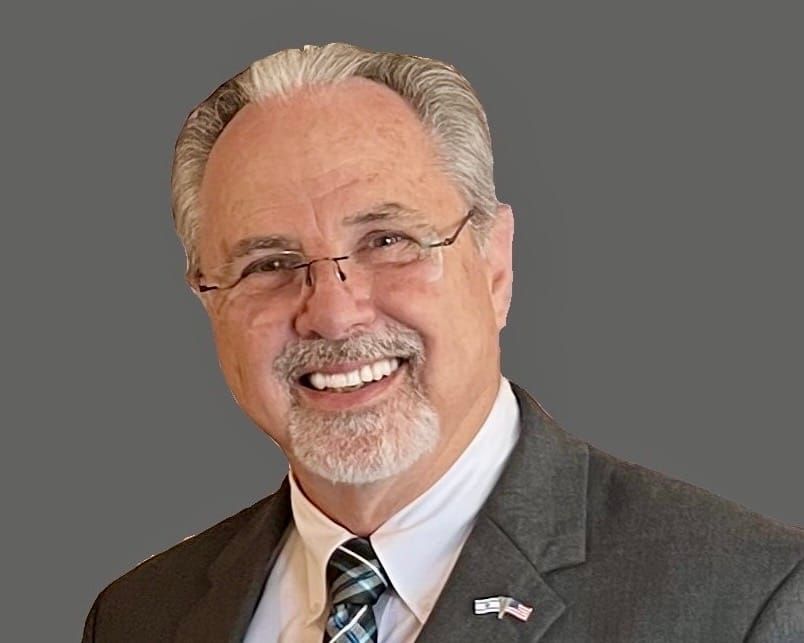
State Representative Mark Gidley (R-Glencoe) represents Alabama House District 29, which includes portions of Etowah County and Calhoun County. He was first elected in 2022.
In the Legislature, Gidley has backed measures focused on education, faith, and family policy. He serves on several House committees, including Education Policy, Military and Veterans Affairs, and Commerce and Small Business. He and his wife, Kathy, live in Etowah County and have two daughters and four grandchildren.
For more information on Mark Gidley, visit https://markgidley.org or follow him on social media.
Opinions do not reflect the views and opinions of ALPolitics.com. ALPolitics.com makes no claims nor assumes any responsibility for the information and opinions expressed above.