America Needs Food Security, Not Foreign Mystery Meat
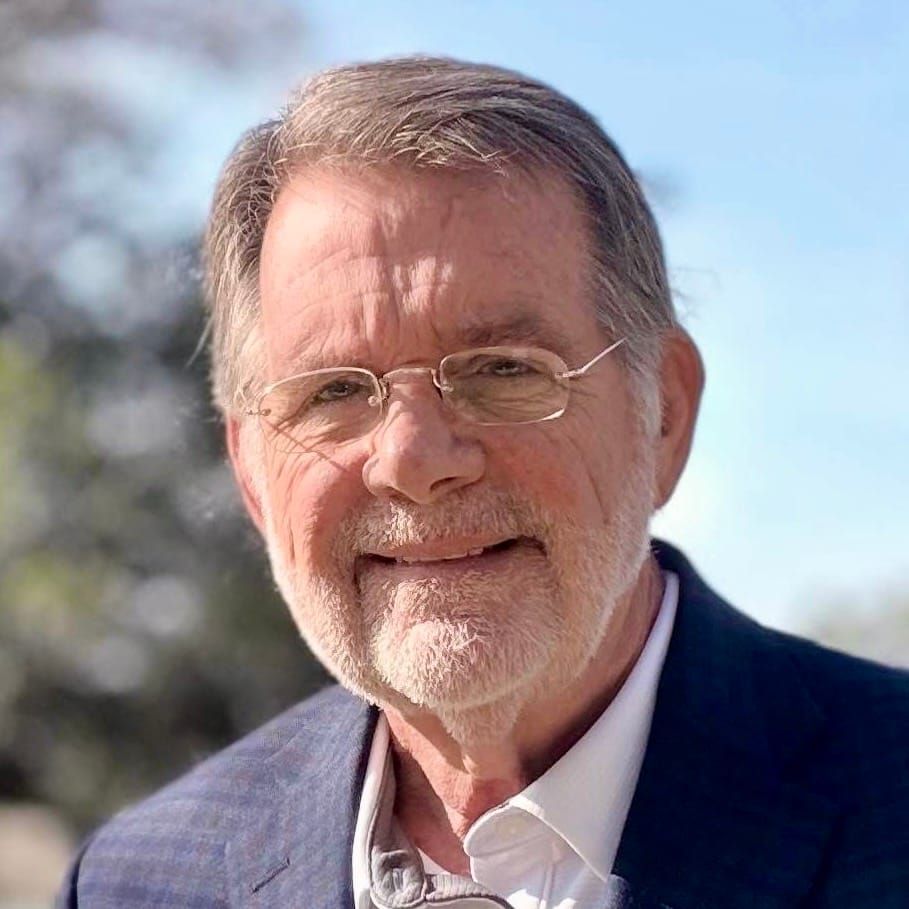
Guest Opinion by Ron Sparks, Democratic nominee for Alabama Commissioner of Agriculture and Industries
Guest Opinion by Ron Sparks, Democratic nominee for Alabama Commissioner of Agriculture and Industries
When 300,000 tons of foreign beef has gotten the green light to flood American grocery stores, it’s not just a trade decision — it’s a direct hit on the safety of our food supply and the survival of our rural communities.
Let me be clear. This isn’t about “choice” or “competition” - it’s about allowing multinational corporations and foreign governments to dump questionable meat into our markets while American ranchers — the people who built the safest, most reliable beef system in the world — are pushed toward bankruptcy.
This bad deal brings cheaper, lower‑standard beef into American kitchens. And it means that hardworking U.S. ranchers will be forced to compete with foreign producers who don’t play by our rules or produce products to American standards. Folks, that’s not free trade; that’s a rigged game. The consequences of allowing this foreign beef into American markets isn’t theoretical; it’s dangerous.
The Safety Problem They’re Pretending Doesn’t Exist
Argentina, and many other foreign countries, have struggled for years with inconsistent food safety enforcement, political instability, and outbreaks of livestock disease. Their regulatory system simply does not match the rigor of American inspection standards. Yet under this deal, their beef will arrive in U.S. markets without mandatory country‑of‑origin labeling, meaning families won’t even know they’re buying foreign meat.
This is the most important question in this entire issue - Is this beef fit for human consumption? The fact that we even have to ask should stop the deal in its tracks.
American consumers trust that the meat they buy is safe because our system — from the ranch - to the processor - grocery store — is built on transparency and accountability. Foreign beef imports break that chain. So, when you can’t trace the origin, you can’t trace the risk. And when you can’t trace the risk, you can’t protect the public.
A Direct Threat to Rural America
The economic fallout is just as alarming. Allowing 300,000 tons of foreign beef into the U.S. market will crush domestic prices, forcing small and mid‑sized ranchers — already operating on razor thin margins — to compete with foreign producers who benefit from lower labor costs, weaker regulations, and government subsidies.
For decades, rural communities have been fighting corporate consolidation in agriculture. Now they’re being asked to fight foreign governments too. This deal doesn’t “help consumers.” It helps multinational meatpackers who want cheaper supply and bigger profits. Meanwhile, American ranchers — the backbone of rural economies — are left holding the bag.
Food Security Is National Security
When I previously served as Alabama’s Agriculture Commissioner, I always worked with the belief that food security is national security. When a country loses control over its food supply, it loses control over its future.
Importing massive quantities of foreign beef isn’t just an economic decision — it’s a strategic vulnerability. If geopolitical tensions rise, if foreign governments change course, or if supply chains break down, America could find itself dependent on external sources for something as basic as protein. That’s not independence. That’s surrender.
Americans Deserve to Know What They’re Eating
There’s an essential question we need to be asking. Why do powerful interests behind this deal not want Americans to know where their beef comes from? Country‑of‑origin labeling was stripped away in this deal because corporate lobbyists wanted it gone. The answer is simple. They knew consumers would overwhelmingly choose American beef if given the choice. So, to prevent that from happening, they took the labels off and they took our choice away.
If foreign beef is safe, competitive, and high quality, then why hide its origin? Why not label it proudly? They know the answer - transparency would kill the deal.
A Call for Common Sense
This isn’t a partisan issue. This is common sense. Americans deserve safe food, honest labeling, and policies that strengthen — not sabotage — rural communities. We should be investing in American ranchers, not undercutting them. We should be protecting our food supply, not outsourcing it.
Foreign mystery meat doesn’t make America stronger. It makes us vulnerable.
And if we don’t reverse course, the cost won’t just be measured in bankrupted ranchers. It’ll be measured in the safety of the food on our plates.
Ron Sparks is a former two-term Alabama Commissioner of Agriculture and Industries, serving from 2003 to 2011. A U.S. Coast Guard veteran and longtime public servant, Sparks has also served as Director of the Alabama Rural Development Agency, President of the National Association of State Departments of Agriculture and senior adviser to U.S. Sen. Doug Jones. He was the Democratic nominee for Governor in 2010 and is the Democratic nominee for Alabama Commissioner of Agriculture and Industries in 2026.
For more information on Sparks and his campaign, visit https://sparks2026.com.
Opinions do not reflect the views and opinions of ALPolitics.com. ALPolitics.com makes no claims nor assumes any responsibility for the information and opinions expressed above.