
America’s Academic Decline Didn’t Start With COVID — And Alabama Needs Leaders Willing to Admit It
Guest Opinion by Emily Jones, candidate for Alabama State Board of Education, District 8
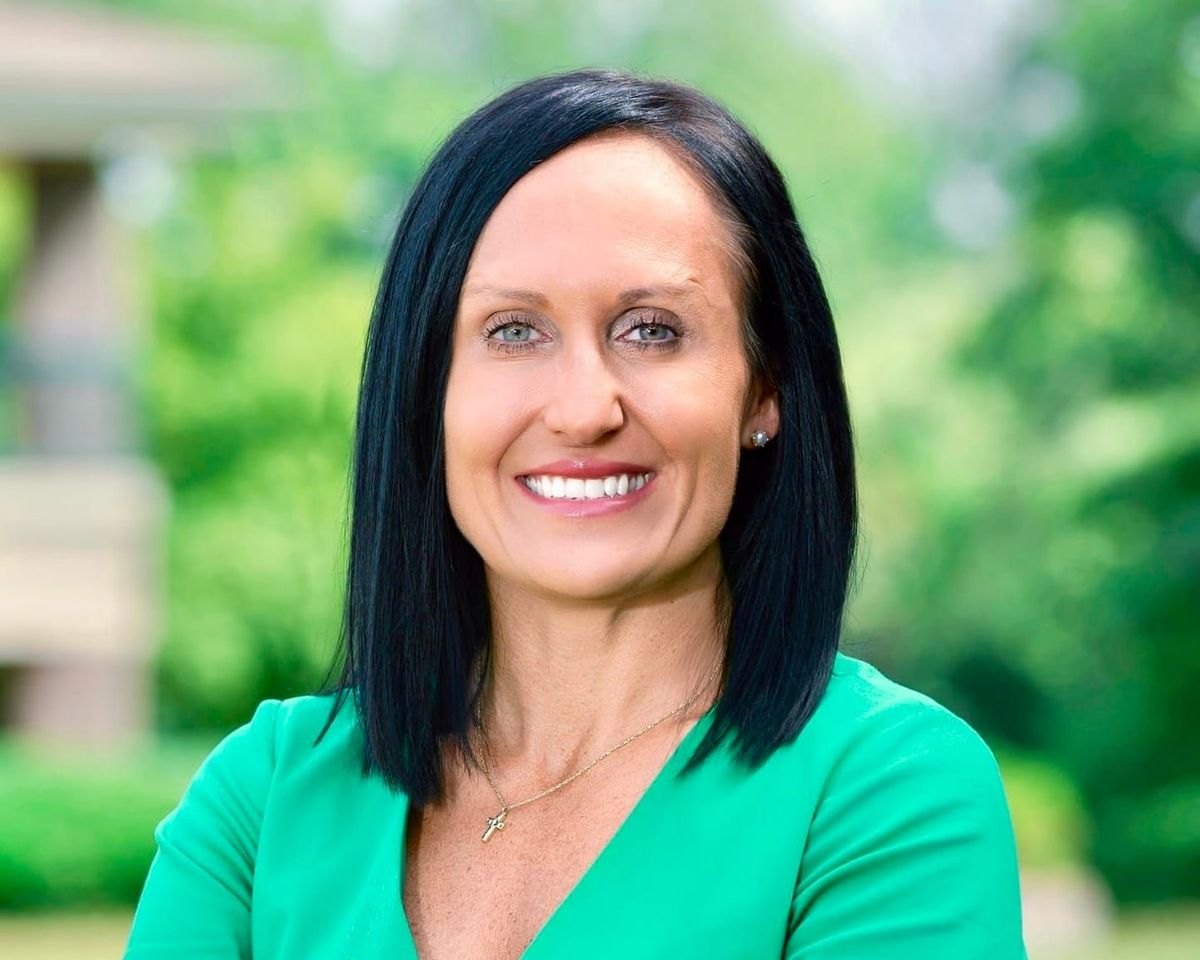
Guest Opinion by Emily Jones, candidate for Alabama State Board of Education, District 8
“U.S. students performing worse in school than 10 years ago.”
That headline has been everywhere following the release of the new 2026 Education Scorecard report. And for millions of parents across America, the findings simply confirmed what they have already been seeing firsthand for years.
Classrooms changed.
Reading skills declined.
Technology increasingly replaced traditional instruction.
Academic expectations weakened.
And parents who raise concerns today are still too often told not to question the experts.
But the new report makes one thing painfully clear: America’s academic decline did not begin with COVID. According to researchers, the “learning recession” started more than a decade ago as student achievement stagnated nationwide, accountability weakened, and social media and technology increasingly dominated children’s lives.
That should force all of us to ask an uncomfortable question: If years of experience inside the same system automatically produced better outcomes, America would not be facing a decade-long academic decline. So why are we being told that the people most qualified to lead education are the same people who have overseen the status quo while student outcomes continued to fall?
This is not an attack on teachers. Alabama has incredible teachers working hard every single day under increasingly difficult circumstances. But leadership matters. Priorities matter. Accountability matters.
For too long, education leadership across America has become too comfortable defending systems instead of evaluating whether those systems are actually producing results for students. That mentality must change.
As someone who has spent my career leading complex programs, managing multi-million-dollar budgets, auditing government agencies, identifying systemic failures, and developing corrective action plans, I know how to evaluate performance, demand accountability, and implement measurable improvements. That is exactly the mindset Alabama needs in education leadership today — not more complacency from people comfortable with the status quo.
When outcomes decline in the private sector or in government oversight work, you do not ignore the data and continue doing business as usual. You investigate root causes. You identify inefficiencies. You ask difficult questions. You challenge assumptions. You bring stakeholders together and implement measurable corrective actions. Education should be no different.
Parents are not asking for miracles. We are asking for common sense.

We want schools focused on reading, math, writing, discipline, and preparing students for real-world success. We want classrooms where technology supports learning instead of dominating it. We want transparency. We want accountability. And we want leaders willing to acknowledge problems honestly instead of protecting the status quo.
That is especially important here in Alabama, and particularly in North Alabama. Our rapidly growing economy depends on a strong workforce capable of meeting the demands of one of the fastest-growing technology, defense, manufacturing, engineering, and skilled trades job markets in the country.
Our state has made important progress through efforts like the Alabama Literacy Act and Numeracy Act. Some districts are showing measurable improvements. But if we truly want Alabama students to compete nationally, we cannot settle for incremental change while national trends continue moving in the wrong direction.
We need leadership willing to think differently and challenge the status quo. Not leadership focused on protecting bureaucracies, political networks, or elite education circles.
We need leaders willing to examine why students are struggling, why parents increasingly feel disconnected from schools, why screen-based learning exploded without long-term research, and why basic academic skills have suffered despite record levels of spending and technology adoption. Most importantly, we need leaders willing to measure success based on student outcomes — not public relations talking points.
The Education Scorecard report should serve as a wake-up call. The old approach is not working well enough.
If Alabama wants stronger schools, stronger academic outcomes, and stronger communities, we must be willing to elect leaders who are prepared to challenge assumptions, ask hard questions, and focus relentlessly on results.
Because school boards should not exist to protect the system. They should exist to deliver results for students.
Emily Jones is a North Alabama mother, education advocate, and chair of Moms for Liberty–Madison County. She is currently running for the Alabama State Board of Education in District 8, representing Madison, Limestone, Jackson, and DeKalb counties.
For more information about Jones and her campaign, visit https://www.emilyjonesforstateboard.com or follow her on social media.
Opinions do not reflect the views and opinions of ALPolitics.com. ALPolitics.com makes no claims nor assumes any responsibility for the information and opinions expressed above.