“Candiflation” Takes a Bite Out of Halloween
Candy prices rose 7.7% in a year, pushing families to stretch their budgets and rethink what goes into the trick-or-treat bowl
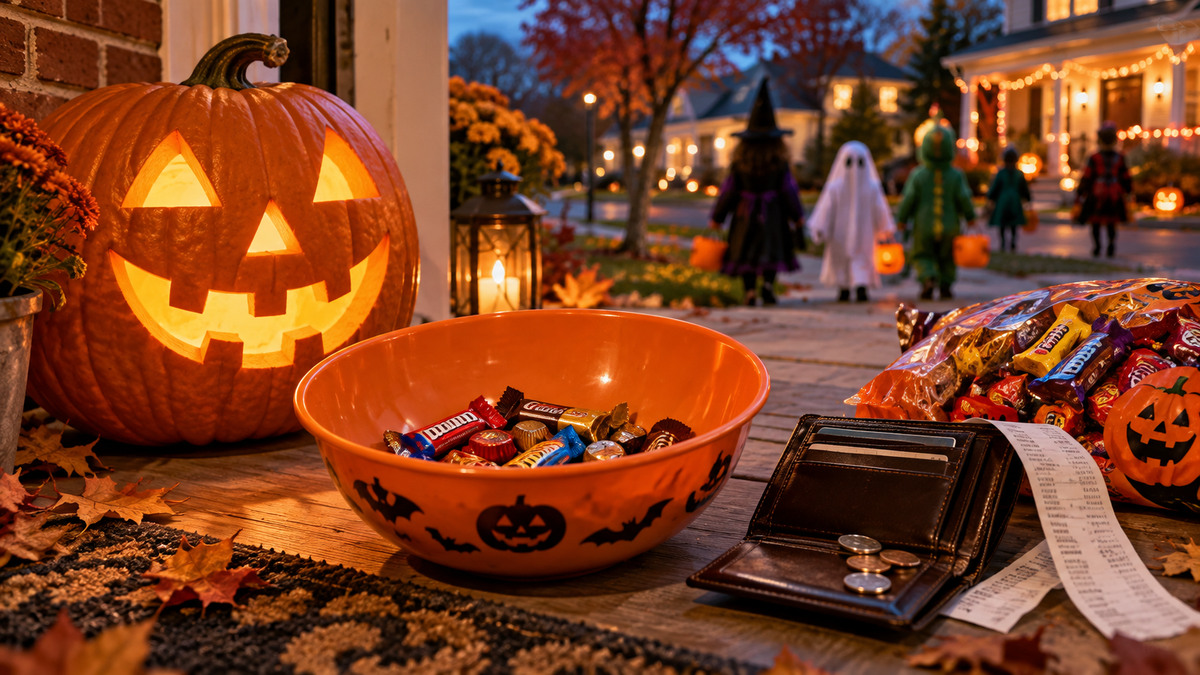
TL;DR: Higher candy prices are squeezing Halloween budgets, and early sales data show shoppers buying fewer sweets. Families are weighing smaller purchases and cuts elsewhere to keep the holiday affordable.
The first scare of Halloween may come before anyone rings the doorbell: the price of filling up the candy bowl.
With trick-or-treaters set to make their rounds Saturday, Alabama families face a national candy market where prices keep climbing and shoppers are pulling back.
Candy and chewing gum prices rose 7.7% in September from a year earlier, according to the U.S. Bureau of Labor Statistics. That was more than twice the 3.7% rise in overall consumer prices. Grocery prices, by comparison, increased 1.8%.
Early buying patterns show the strain, as the same holiday budget buys fewer treats this year.
Consumer Edge found that chocolate sales volume fell 7% during the first 15 days of October compared with the same period last year. Prices rose 5%, yet dollar sales still slipped 2%.
Non-chocolate candy offered no escape from the slowdown in that dataset. Sales volume fell 11%, while prices increased 2%.
Those are early results, not the final Halloween tally. Consumer Edge notes that Oct. 30 and Halloween itself have historically produced candy sales roughly 1.5 to two times those of a typical October day. A late rush by the procrastinators could change the final holiday results.
Still, some families have already planed to trim the treats.
In an Oct. 27 report, FMI—The Food Industry Association said 17% of parents celebrating Halloween expect to buy or give out less candy. Another 21% plan to spend less on costumes or skip them.
The cutbacks are far from universal. The same report found 41% of parents plan to buy more candy, suggesting households are making different choices about which parts of the holiday to protect.
The pressure behind candy prices reaches well beyond the checkout lane.
A September Bureau of Labor Statistics analysis traced rising costs to supply problems involving cocoa, sugar and corn sweeteners. Extreme weather and shipping problems in key producing countries helped drive up ingredient costs.
Manufacturers passed those costs along through higher prices and smaller packages, the agency found. That leaves shoppers watching both the sticker price and how much candy is inside.
Halloween remains a major draw despite the squeeze. The National Retail Federation projects $13.5 billion in total holiday spending this year, including $4.1 billion on candy. Its survey found 74% of consumers plan to celebrate.
But bigger spending totals do not necessarily mean fuller candy bowls.
If Halloween prices exceed their expectations, 31% of consumers say they will compare prices more, while 26% will seek coupons or sales.
For households trying to keep the porch light on and the candy bowl full, the choice is plain: spend more, find a deal or hand out less. This year, even the treats come with a budget decision.
And, given the overall concerns that most people have about affordability and the economy, the scariest thing this Halloween may not be the ghosts and goblins.
It may be the price tag.