
Data Center Job Promises Fail to Add Up
Alabama offers decades of tax breaks to data centers that bring huge construction costs, vast power demands — but relatively few lasting jobs
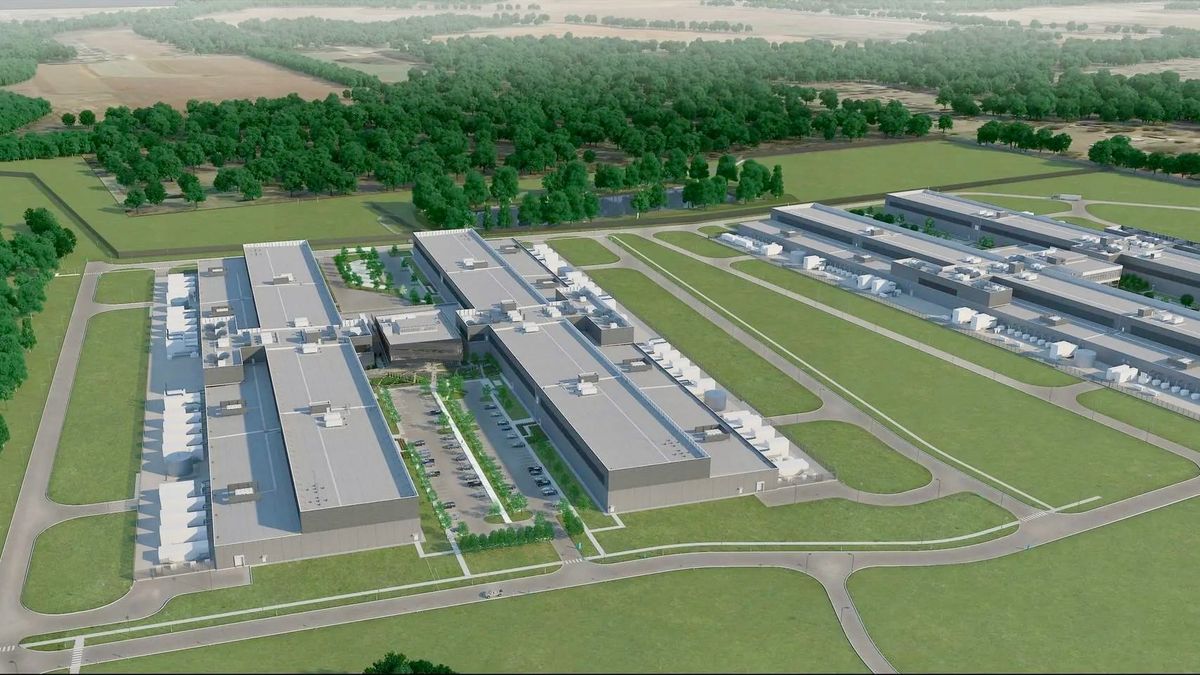
Data centers are being sold to the public as engines of growth that will bring jobs, high wages and new tax funds to struggling towns.
The figures behind many of those projects tell a much different story.
Data centers can cost billions of dollars to build. They consume vast amounts of power, water and land. Yet after the construction crews leave, many of these huge sites operate with fewer workers than a grocery store or small factory.
In some cases, State and local tax breaks are worth millions of dollars for each lasting job created.
A recent review of the data center boom found that two projects in Cedar Rapids, Iowa, are set to bring at least $1.3 billion in total investment. The developers are only bound to create 61 permanent jobs. That works out to more than $21 million in capital investment for each promised job.
The same pattern has played out across the nation.
Ark Data Centers received a 10-year sales tax break worth about $4.5 million for a $136 million project in northeast Ohio. The company agreed to create just 10 full-time jobs.
In Orangeburg, New York, JPMorganChase received an estimated $77 million in public aid to expand a data center. The project is expected to create one new full-time job.
“The county is giving away quite a lot of public money in exchange basically for nothing,” Kasia Tarczynska of Good Jobs First told New York Focus.
To be fair, data centers create a burst of work during the building phase. Thousands of workers may be needed to clear land, pour concrete, install cooling systems, run cable and connect a site to the power grid.
Those jobs are real, and they often pay well. They are also short-lived.
A Business Insider review found that about 80% of data center jobs are tied to construction. The largest centers generally employ fewer than 150 permanent workers. Some employ as few as 25. In several Ohio deals, the value of tax breaks topped $1 million for each lasting job.
New Albany, Ohio, gained 98 jobs from a Meta data center while giving up nearly $190 million in State and local tax revenue through the end of 2023. That came to about $1.9 million in lost tax funds for each job.
A Google project near Columbus received a 100 percent property tax break valued at about $54 million over 15 years. Google pledged to create 20 full-time jobs at first and raise that count to about 40 by 2047.
Industry groups argue that such figures fail to count jobs tied to supply firms, repair work, security, food service and other local firms. They also point to new tax funds, grants for schools and the long-term value of digital growth.
Those gains can occur, mainly in large metro areas with skilled labor, major vendors and a strong network of local firms.
A recent Georgia Tech study found that the impact is far weaker in rural areas. Data centers in those areas often employ fewer than 100 permanent workers, while skilled contractors and other services are brought in from outside the county.
“The sweeping job and wage growth often promised during local recruitment efforts is unlikely to arrive on its own,” the researchers found.
The study found that metro counties were more likely to gain jobs and new businesses. Rural counties saw few broad gains beyond a small drop in unemployment and possible tax or road benefits.
That raises a key issue for Alabama, where public officials are racing to attract some of the largest and most power-hungry data centers in the nation.
Alabama has at least 19 data centers in use or under construction, according to the Alabama Department of Commerce. Major sites include Google’s facility in Jackson County, Meta’s campus in Huntsville and a second Meta complex in Montgomery. DC BLOX also operates sites in Birmingham and Huntsville and is building a two-building campus in Montgomery.
Google says it has invested more than $2 billion in its Jackson County data center since work began in 2018. The company promotes its grants, training efforts and wider State impact, but its public Alabama project page does not list a clear total for permanent jobs at the site.
Meta has invested more than $1.5 billion in its Huntsville campus. About 1,200 skilled workers were on site during peak construction, while the completed center is expected to support more than 300 operational jobs.
That is a far stronger job count than many data centers produce. Even so, the investment comes to roughly $5 million for each operational job.
Meta’s Montgomery data center was first announced as an $800 million project with about 100 lasting jobs. Its planned investment later grew to more than $1.5 billion, while the expected permanent workforce remained at just over 100. More than 1,000 trade workers were expected at the site during peak construction.
“Each day, millions of people around the world use Meta’s products, and the next-generation Alabama data center in Montgomery will soon help keep the company’s popular platforms running smoothly,” Governor Ivey said when the deal was announced. “Meta is putting down roots in another great location in Sweet Home Alabama, and we’re committed to helping the company grow and prosper here.”
The original Montgomery deal included an estimated $42 million tax exemption. Based on the first pledge of 100 operational jobs, that comes to about $420,000 in tax relief for each permanent position — before any later aid, abatements or local costs are counted.
The Montgomery and Huntsville sites together now represent more than $3 billion in Meta investment and a projected permanent workforce of a little more than 400 people.
Meanwhile, Bessemer officials are weighing Project Marvel, a proposed QTS data center campus that could cost about $14.5 billion. Plans call for 18 large buildings and power use that could reach roughly one gigawatt — enough electricity to serve about 1 million homes.
QTS has said the project would support thousands of jobs across construction, contractors and long-term operations. More recent reports have placed the number of permanent jobs at about 330, though the project remains under review and many of its final terms have not been made public.
At $14.5 billion, that would equal nearly $44 million in capital investment for each permanent job.
The developer has said it will not seek a Bessemer property tax break. However, the public still lacks a full account of any State tax relief, utility terms, public infrastructure costs or other benefits that could be tied to the project.
That lack of clear data is part of a wider problem.
Alabama law has allowed a data center that invests at least $400 million to receive both sales tax relief and property tax abatements if it creates only 20 jobs paying at least $40,000 a year. Alabama has been one of just five States offering that mix of benefits.
Property tax relief can last up to 30 years for data centers that cross the top investment level. That means a project may receive tax aid for a full generation while creating only a few dozen lasting jobs.
Alabama lawmakers moved this year to trim some of those benefits. The Legislature passed HB399 in April to limit parts of the incentive package, including some construction tax relief for large centers using more than 100 megawatts of power. It also lowered the time allowed for tax abatements to be lowered from 30 to 20 years in some cases.
The debate was made harder by the fact that Alabama does not publicly report how much tax revenue it gives up each year through data center incentives. It also does not disclose a full company-by-company list showing who receives the breaks and how much each deal costs.
Alabama is not alone.
Good Jobs First found that 14 States fail to report how much revenue they lose through data center tax breaks. Georgia, Texas and Virginia each give up an estimated $1 billion or more per year through such incentives.
Virginia reported $928 million in State sales tax breaks for 56 data center projects in one fiscal year. Ohio gave up nearly $360 million in State tax revenue over three fiscal years. Across 19 central Ohio deals, State and local governments offered at least $750 million in incentives for 770 data center jobs.
The cost does not always end with tax breaks.
Data centers often require new power plants, transmission lines, substations, water systems and roads. Unless firm contracts place those costs on the developer, homes and existing businesses may be left to help pay for the buildout.
Supporters say data centers are key parts of modern life. They run internet searches, bank systems, hospitals, cloud storage, social media and the growing field of artificial intelligence. They also bring major private investment that would not otherwise reach many communities.
That does not mean every project is a good deal.
To justify the cost to States and local communities, tax relief should be tied to firm job counts, local hiring, public reports and clear proof that the project will pay its own utility and infrastructure costs. Construction jobs should not be mixed with permanent jobs to make a project sound larger than it is.
Communities should also know the full value of each tax break before local leaders approve a deal. The promised jobs, wages and tax funds should be measured each year. Incentives should shrink or end when companies fail to meet those terms.
Data centers may be worth building. That is not the same as saying taxpayers should help pay for them.
When a multibillion-dollar project needs only 20, 50 or 100 workers to operate, officials should stop selling it as a jobs program. It is a capital and power project first.
Alabama taxpayers deserve to know what they are giving up, who is benefiting and what will remain after the construction crews leave — before tax breaks are given.