Data Centers and Our Way of Life
“If elected, I will stand in opposition to these big tech data centers in our rural communities”—Rick Pate, candidate for Lt. Governor
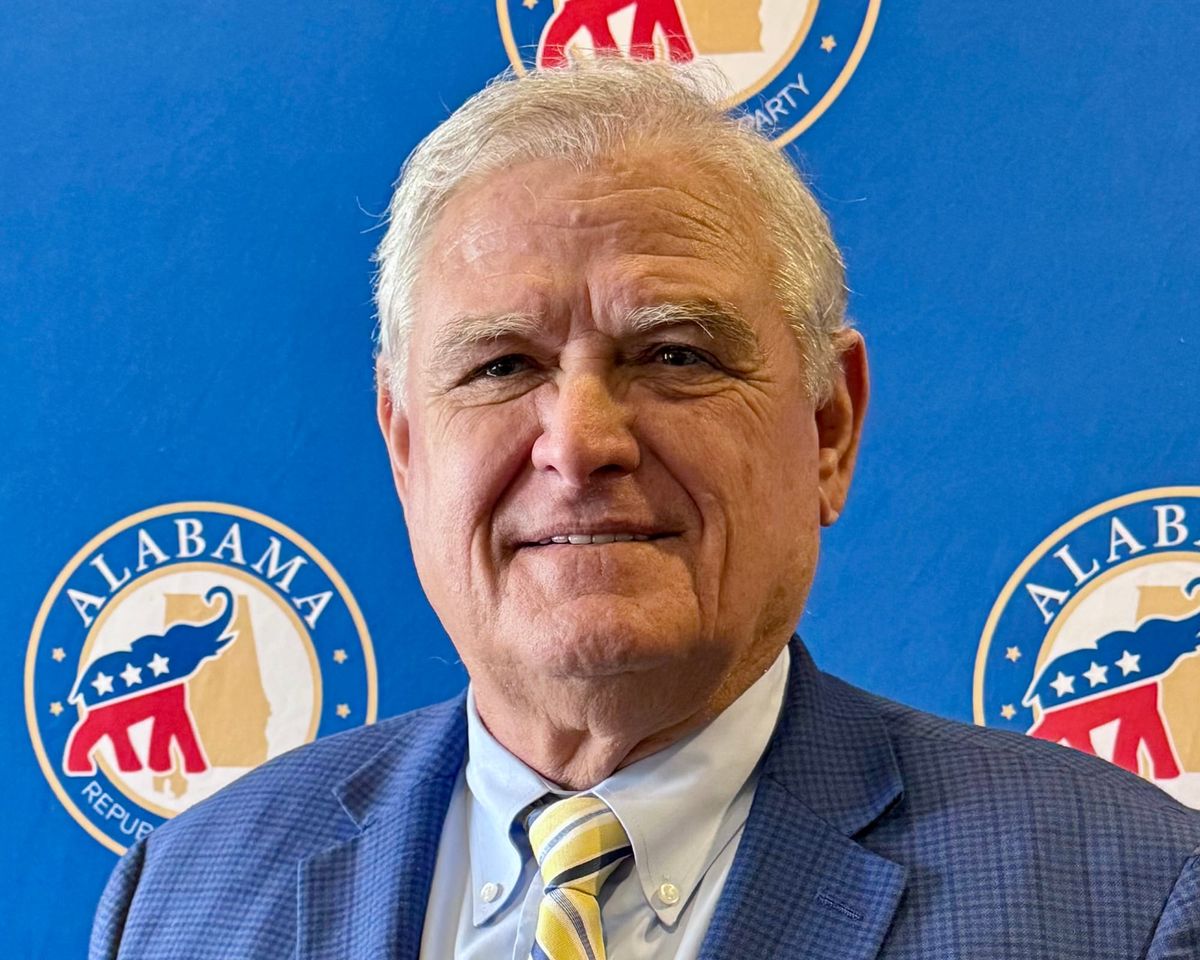
Guest Opinion by Rick Pate, candidate for Lt. Governor
As I have traveled across the state over the past eight years as your Commissioner of Agriculture and Industries, I have been increasingly concerned about the loss of farmland to urban encroachment. Recent trends show by 2040 Alabama will pave over, fragment or compromise 545,000 acres of farmland, according to Census of Agriculture 2017. That is the equivalent of losing 3,300 farms, $329 million in farm outputs and 5,600 jobs, with 65% of the conversion on Alabama’s best land. Madison, Limestone and Baldwin Counties will be hardest hit.
Citizens all over Alabama - and the nation - are being inundated with proposals to build large data centers in their communities. Some of these facilities are not simply enormous, they are known as “hyperscale” data centers, often involving millions of square feet under roof.
Data centers have traditionally been in industrial parks and other suitable developments areas far away from homes, families, farms, churches, and livestock. That's because large data centers require enormous quantities of power and water, and generate noise and magnetic frequencies that can cause serious adverse health effects.
But with the advent of “cloud computing” and Artificial Intelligence (AI) - and the unquenchable thirst for more and more computing power - big tech companies are seeking to build these huge data centers in rural communities – data centers of a size and scale never seen before in human history. These facilities can exceed five million square feet in size and contain millions of power-hungry computing appliances and storage units. Once operational, these devices run 24 hours a day, 7 days a week, 365 days a year.

As a former mayor of Lowndesboro in Lowndes County, a rural Blackbelt county, it seems every 10 years we have had to fight a landfill and now a humongous datacenter. It appears they target our county because our citizens have lower income than most and are primarily minorities. Middlemen come offering money for our budgets if they are allowed to permit. Then they normally sell their plans to other entities.
The power consumption of these data centers can be more than the entire county in which they’re located. This requires additional facilities from energy providers, which in some cases causes rate increases for customers like you and me. In addition to power, these centers typically consume millions of gallons of water per day – possibly draining local water tables and affecting water availability for surrounding farms and households.
I support economic development in our state. Alabama needs a vibrant pro-business environment with good jobs and trained workers. I just wonder if we are selling out what makes our state special and one of the reasons why people want to move here all under the guise of helping our counties.
If elected your next Lt. Governor, I will stand in opposition to these big tech data centers in our rural communities until Alabama has developed a master plan to show the impact of their locations all over the state. I am opposed to the current strategy of piece meal dropping them off into poorer counties without any real discussion with residents or local officials. There should be a collective, well thought out plan.
Our way of life might depend on it.
Rick Pate has served as Alabama Commissioner of Agriculture and Industries since 2019 after being elected in 2018 and reelected in 2022. A Lowndes County native, Pate grew up on a cattle farm, earned a horticulture degree from Auburn University, and founded Pate Landscape Co., which he operated for nearly four decades. Before his Statewide election, he served 14 years as mayor of Lowndesboro. During his time as Agriculture Commissioner, Pate launched the “Sweet Grown Alabama” program, expanded Farm-to-School initiatives, and promoted Alabama agriculture through the “Thank a Farmer” campaign. A conservative Republican, he served as an RNC delegate and one of Alabama’s Electoral College electors for President Donald Trump in both 2020 and 2024. In 2025, Pate announced his campaign for Alabama Lieutenant Governor, focusing on workforce development, infrastructure, agriculture, and conservative leadership.
For more information on Rick Pate and his campaign, visit his campaign website or follow him on social media.
Opinions do not reflect the views and opinions of ALPolitics.com. ALPolitics.com makes no claims nor assumes any responsibility for the information and opinions expressed above.