DNC Sues Trump Over Taxpayer-Funded Political Ads
Two lawsuits challenge a $20 million ad campaign promoting Trump, Sen. Katie Britt questions use of taxpayer funds, one AL House race named in suit
TL;DR: The DNC and a separate coalition that includes Alabama House candidate Robert Hunter sued to halt taxpayer-funded pro-Trump ads. Federal law bars purely partisan government advertising, but the courts must decide whether these ads violate that ban. Trump has promised outside funding for future spots without committing to repayment.
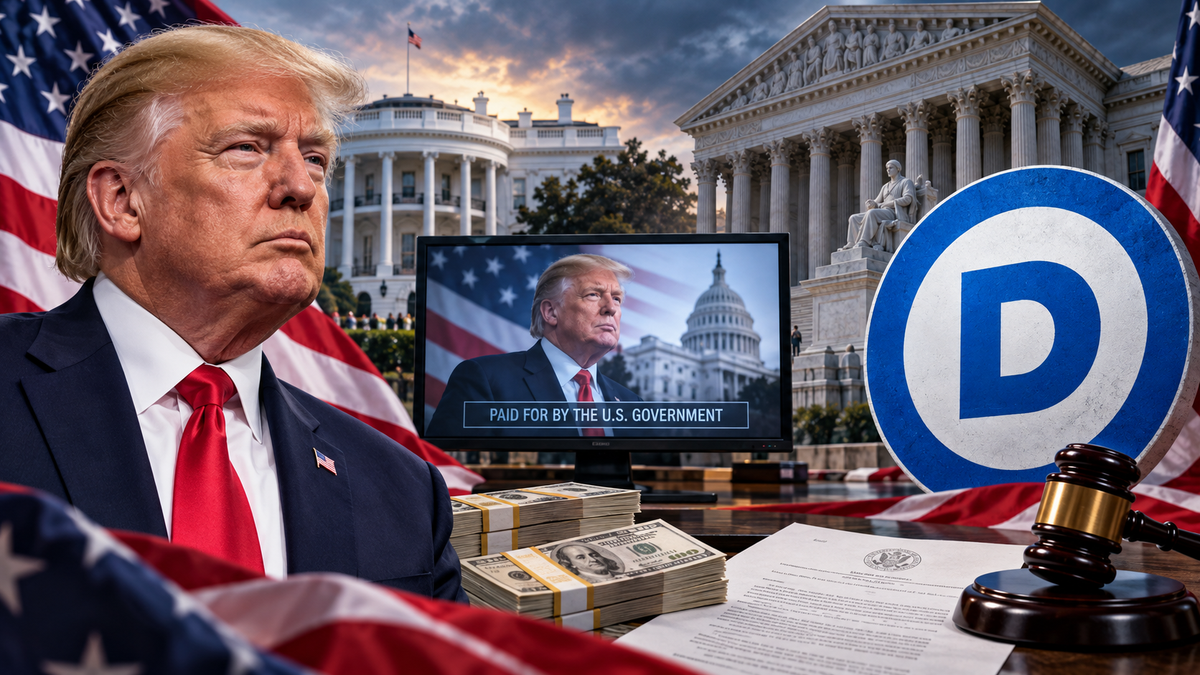
The Democratic National Committee sued President Donald Trump and his administration Wednesday, alleging that millions in taxpayer-funded television ads amount to illegal political propaganda ahead of the November midterms.
The lawsuit, filed in federal court in Washington, seeks to stop the spending. The DNC alleges that Trump personally directed the campaign, using public money to boost Republicans while allowing their campaigns to spend elsewhere.
The ads have cost more than $12 million to air, according to media tracking firm AdImpact. Homeland Security awarded a $20 million contract for the campaign, the Associated Press reported.
The spots began airing in late September. They praise Trump’s record and repeat his political themes. One closely mirrors a 2024 reelection ad, with a notice that the U.S. government paid for it.
The ads have generated both legal and ethical concerns. Congress has long barred unauthorized federal spending for publicity or propaganda. The Government Accountability Office has interpreted that ban to cover purely partisan messages, concealed government propaganda and publicity devoted to glorifying officials. Federal funds cannot support a general propaganda effort designed to help a party or its candidates.
There is also a separate limit on how agencies spend money. Federal law requires funds to be used for the purposes Congress authorized. A second lawsuit alleges that the administration shifted $20 million into a border-related commemorative fund, then used it for the ads. That fund was intended for events such as memorials for fallen officers and agency ceremonies, the complaint says.
The White House has defended the spots as public service announcements. Government ads can lawfully explain programs and policies, even when they reflect well on an administration. GAO upheld Obama-era Medicare ads, for example, because they gave beneficiaries useful information and directed them to further resources. The dispute here is whether Trump’s spots serve a public information purpose or promote partisan interests.
The Hatch Act raises another issue for officials involved. It generally bars federal employees from using official authority to influence partisan elections. Trump and the Vice President are exempt, but White House staff and agency officials are not, according to the Office of Special Counsel. The presidential exemption does not override limits on agency spending.
Trump said Monday that his MAGA Inc. super PAC would cover future ads, defending them as “positive promotion for our Great U.S.A.” Asked Tuesday whether he would repay funds already spent, he said, “We’ll decide.”
The criticism crosses party lines. Alabama Republican Senator Katie Britt, who chairs the panel overseeing Homeland Security funding, said she had not yet seen the ads but stressed that tax dollars should be spent as intended and within the law. Senate Majority Leader John Thune also opposed taxpayer funding for the spots.
The second lawsuit has a direct Alabama link. Democracy Forward sued in New York on behalf of Common Cause, SEIU Local 32BJ, its Empire State political action committee and Robert Hunter, the Democratic nominee for Alabama House District 28. The complaint identifies Hunter as a Democratic Socialist running against incumbent Mack Butler (R-Rainbow City). Hunter argues that publicly funded ads praising Trump and attacking socialism unfairly help his Trump-aligned opponent. The plaintiffs seek to halt further funding and overturn the funding shift and contract.
The reported campaign overlap and alleged diversion of funds raise substantial legal questions. The complaints, however, are allegations rather than court findings at this time. Unlawful spending also does not automatically establish a crime: criminal penalties under the Antideficiency Act require a knowing and willful violation of specific provisions. These civil lawsuits, as filed, seek only to stop and undo the spending.