Jury Finds Sheriff’s Flock-Fueled Stops Unconstitutional
Texas County held liable after a work trip led to a bogus traffic stop, a truck search and 76 minutes of detention
TL;DR: A federal jury found Bexar County liable for a traffic-stop policy that violated a Houston man’s Fourth Amendment rights. The verdict adds to scrutiny of surveillance-driven policing as a separate Oklahoma ruling challenges warrantless searches of stored travel records.
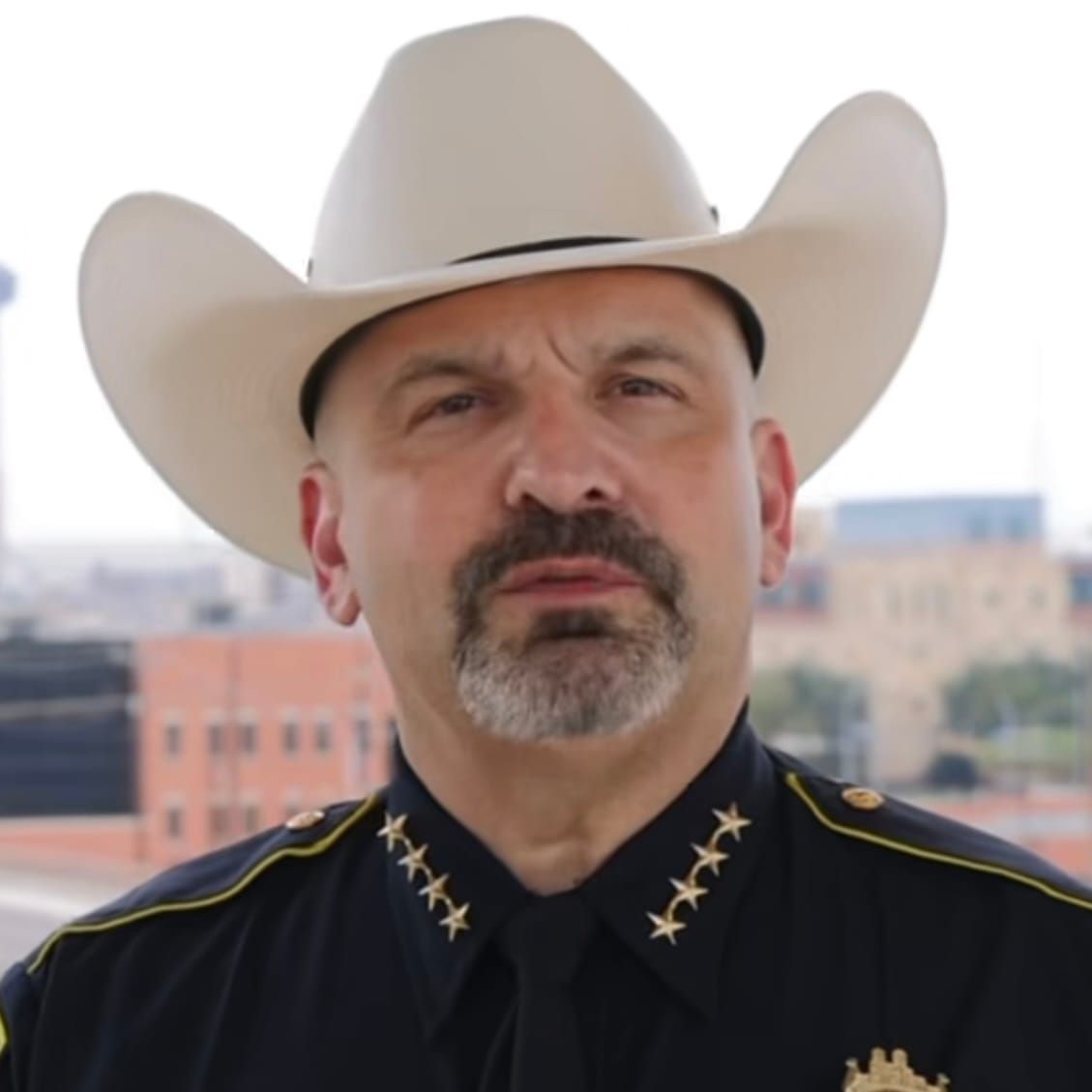
A federal jury in San Antonio has found Bexar County liable for an unconstitutional traffic-stop policy that turned license plate surveillance into roadside stops and searches.
The Sept. 28 verdict came in a lawsuit brought by Alek Schott, a Houston-area father of two stopped while returning from a business trip in March 2022. The jury’s verdict form found that deputies violated his Fourth Amendment rights and that a County policy or custom caused those violations. Jurors awarded him $76 — one dollar for each minute he was detained.
As the San Antonio Current reported, Flock cameras flagged Schott’s work travel as suspicious. He sells equipment for his family’s oilfield business and had traveled to a job site near Carrizo Springs.
A tip about his truck reached deputies through a WhatsApp group. Deputy Joel Babb testified that the source was someone he knew only as “Kiki,” whom he believed worked at a federal fusion center in Laredo. Babb waited for Schott’s truck, followed it and pulled him over.
Babb claimed Schott had crossed the road’s fog line. But video evidence shown at trial indicated that Schott had stayed within the lines.
Deputies questioned him in a patrol car and searched his truck after a drug dog alerted. They found nothing. The Current reported that the Sheriff’s office did not respond to its request for comment before publication.
The case reached beyond one deputy’s conduct. According to the Institute for Justice, which represented Schott, the operation used travel records to flag drivers, followed by invented traffic violations, questioning and vehicle searches.
The law firm said the practice continued for four years. It also alleged that handlers manipulated drug dogs to provide grounds for searches when drivers refused consent. Those claims describe the firm’s account of the operation; the verdict itself establishes the county’s liability for the violations against Schott.
“This is a huge win, and not just for Alek,” said Institute for Justice (IJ) Attorney Christie Hebert. “Motorists across this country are being watched by local, state and federal agents, flagged by AI-powered cameras, and then pulled over for a bogus offense that exists only as a cover story for an interrogation and a search. The Fourth Amendment does not permit this. Today a jury of Texans looked at how this program actually worked and said so. Every agency in this state should understand that we are fully prepared to enforce this verdict.”
Schott sought only $76. His attorneys said they would next ask the court to bar the county from using baseless traffic stops to carry out warrantless searches. That request is a separate step from the jury’s verdict.
“After the stop, I filed a complaint with the Sheriff’s Office because I knew what happened to me was wrong,” said Alek Schott. “The department reviewed it, told me they didn’t see any violation, and said if I had a problem with it, I should sue them. So I did. Today is vindication, not just for me, but for every driver they ran through this.”
“This is what mass surveillance looks like when it reaches the shoulder of the highway,” IJ Attorney Senior Josh Windham said. “An AI-powered camera flagged Alek’s plate. An anonymous law enforcement agent decided his completely ordinary trip looked suspicious. And a deputy went out and found a violation that never happened. This unit ran thousands of drivers through that routine—humiliating, invasive interrogations and searches of people who had done nothing wrong. It all rests on the idea that if you watch enough innocent people closely enough, criminals will fall out. That’s wrong, it’s unconstitutional, and now, a jury has said so.”
The Texas case comes amid another significant Fourth Amendment challenge involving Flock.
As ALPolitics.com reported, U.S. District Judge Sara Hill ruled Oct. 1 that a Tulsa County deputy’s warrantless search of a driver’s stored travel history violated the Constitution. The deputy queried the databases after seeing a vehicle with California plates. The search returned more than 50 sightings across several States over a month.
“This is a type of indiscriminate mass surveillance,” Hill wrote in her court order. She ordered the resulting evidence suppressed.
The two cases address different parts of the same process. Texas jurors found the county responsible for unlawful roadside policing. Hill found that searching the stored location records was itself an unconstitutional search. Neither decision imposes a nationwide ban on Flock cameras.
For Alabama, the issue hits very close to home. ALPolitics.com’s recent coverage cited reports of roughly 2,800 Flock cameras across the State and Alabama Power’s role in supplying surveillance systems to local governments.
Police cite successes in finding missing children, stolen vehicles and suspects. But the Texas verdict exposes the risk when a record of ordinary travel becomes the starting point for a stop that officers cannot otherwise justify. The cameras may supply a lead. They do not erase a driver’s constitutional rights.
And when, as now seems inevitable, the U.S. Supreme Court is called upon to rule on the constitutionality of mass surveillance via massed license plate cameras, Alek Schott’s case will likely be mentioned.