Ensler Outlines Vision in Lt. Governor Interview
Democratic nominee Phillip Ensler discusses healthcare, schools, veterans, taxes and the role of Alabama's Lieutenant Governor with Julian Boykin
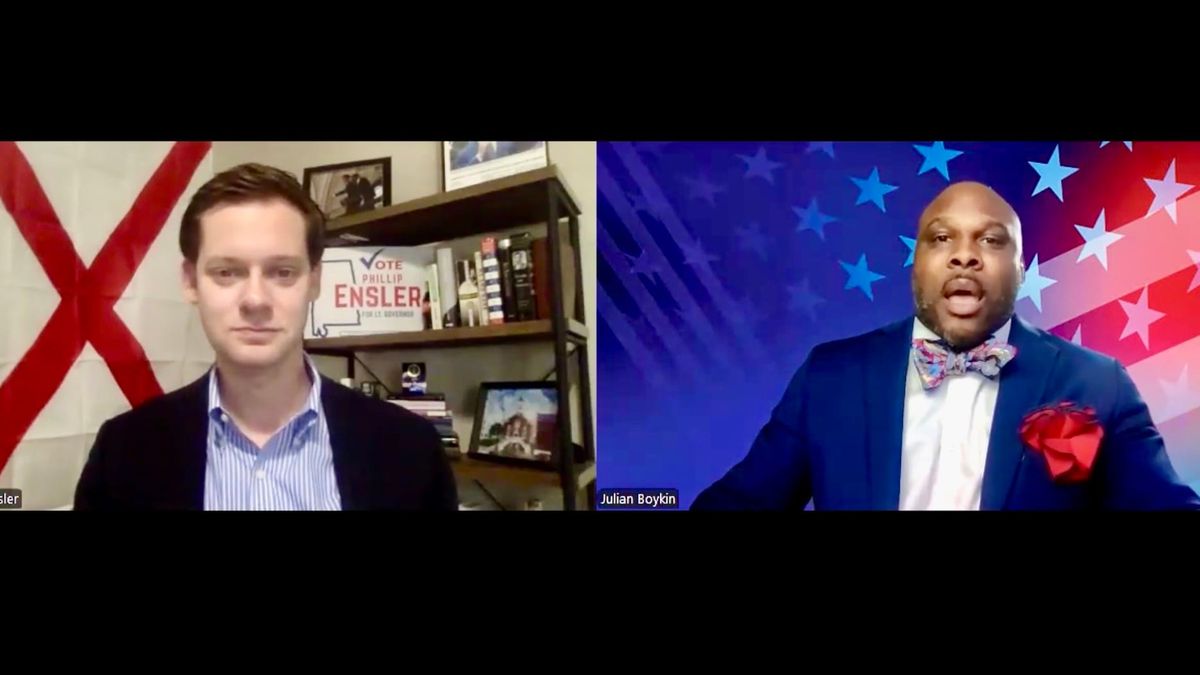
Democratic Lieutenant Governor nominee Phillip Ensler says the office can serve as more than a ceremonial role, using its influence to advance legislation, shape policy and advocate for issues ranging from health care and education to economic development and veterans' services.
Speaking with Julian Boykin in a recent podcast interview, the Montgomery lawmaker described his vision for the office while outlining the policy priorities he would pursue if elected.

Ensler, a former public school teacher, attorney and policy adviser, said his background in education, government and the law has shaped his approach to public service. He was elected to the Alabama House of Representatives in 2022 after flipping a Montgomery-area district previously held by a Republican. He later launched his campaign for Lieutenant Governor, saying he wanted to focus State leaders on what he considers everyday concerns rather than political division.
The interview opened with a discussion of the Lieutenant Governor's constitutional duties. Ensler noted that the office presides over the Alabama Senate, appoints members to a variety of Boards and Commissions, and can use its position to advocate for legislation and help shape the State's policy agenda. Those responsibilities also include serving as acting Governor when necessary and making appointments authorized by law.
Health care was among the interview's longest topics. Ensler argued that Alabama should expand Medicaid, saying the move would help preserve rural hospitals while extending insurance coverage to more residents. He also proposed creating a State fund to help prevent rural hospital closures and expanding access to telehealth and mental health services, including additional crisis care centers.
Turning to Veterans, Ensler highlighted his leadership of the Alabama Military Stability Commission. He said the State should place greater emphasis on improving Veterans' quality of life through affordable housing, workforce training and programs that help service members transition into civilian careers. The Commission has historically worked to strengthen Alabama's military installations and improve services for military families.
On affordability, Ensler said Alabama should make the State's reduced grocery tax permanent, continue exempting overtime pay from State income taxes and consider increasing the State minimum wage as part of a broader effort to help families keep more of what they earn.
He also proposed making it easier to start and grow small businesses by reducing regulatory hurdles and bringing State agencies directly into local communities to help entrepreneurs navigate licensing and permitting requirements.
Education remained a central theme throughout the discussion. Drawing on his experience as a classroom teacher, Ensler emphasized exposing students to career opportunities beyond their hometowns while expanding access to higher education and skilled trades.
He again endorsed establishing a State lottery, arguing Alabama sends millions of dollars each year to neighboring States where residents purchase lottery tickets. Ensler said lottery proceeds could help finance college scholarships, technical education, apprenticeships and other public programs. A State lottery has been debated for decades but has repeatedly failed to win final approval from the Alabama Legislature or voters.
School safety also received attention. Ensler said every school should maintain a comprehensive safety plan that may include School Resource Officers, metal detectors where appropriate and stronger communication between schools, parents and law enforcement.
Many of the proposals discussed during the interview mirror the priorities outlined on Ensler's campaign platform, including eliminating the grocery tax, renewing the overtime tax exemption, expanding Medicaid, creating a rural hospital fund, increasing access to telehealth and establishing a State lottery to fund scholarships and other initiatives.
For more information, visit https://phillipensler.com.
The full interview may be seen on YouTube and below: