Heart of Dixie Podcast Examines Orange Beach Controversies
Murder Creek Media joins podcast panel for questions on transparency, records access, past investigations involving Orange Beach city government
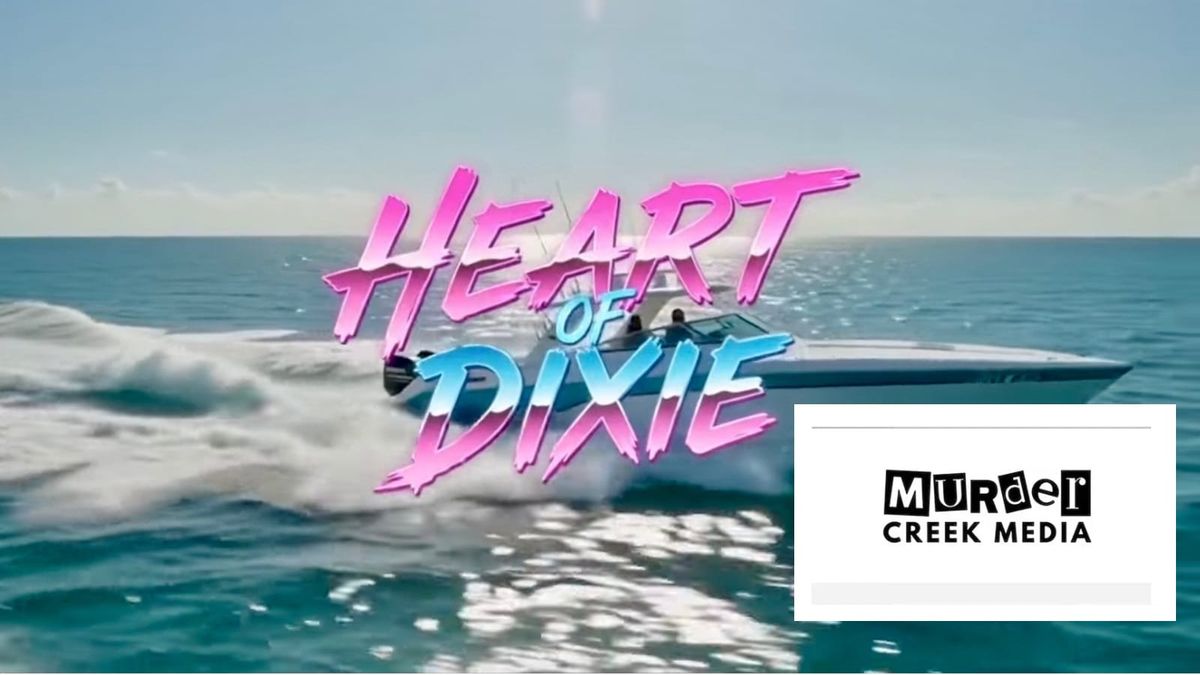
The latest episode of the Heart of Dixie podcast brought together host Harry Still III, investigative journalists Neeli Faulkner and Whitney Scapecchi of Murder Creek Media, and The Alabama Gazette's Brandon Moseley for a lengthy discussion of allegations surrounding Orange Beach city government, Mayor Tony Kennon, and what the panel described as a broader pattern of secrecy and resistance to public accountability.
The conversation centered on two high-profile controversies that have drawn increasing public attention in recent months: a September 2, 2024 police response involving Kennon at the city's Coastal Resources building, and the 2016 death of Orange Beach resident Danny Williams.
The panel repeatedly emphasized that many of the matters remain the subject of litigation, public records disputes, or ongoing public debate, while arguing that unanswered questions deserve independent review.
A major focus of the discussion was the city's handling of the September 2024 police response.
According to reporting previously published by The Alabama Gazette, Orange Beach police responded after a witness reported an alleged domestic disturbance involving the mayor at the city-owned Coastal Resources building. Officers made contact with Kennon, but no arrests were made and no criminal charges were filed.
Since then, requests for body camera footage and related records have led to a prolonged public records dispute and federal litigation. The lawsuit challenges the city's refusal to release certain records while alleging retaliation and violations of constitutional rights. The city has disputed those claims in court.
During the podcast, Faulkner described interviewing a witness who claimed to have observed a physical altercation from across the street. The panel argued that the witness's account raises additional questions about whether the incident received sufficient independent review.
Still and his guests also questioned why, in their view, the matter was handled internally rather than being referred to another law enforcement agency.
The discussion expanded beyond that single incident to what the guests characterized as systemic problems inside Orange Beach city government.
Still argued that Mayor Kennon and what he described as his "loyal band of executives" — including the city attorney, city administrator and police chief — have compartmentalized information in ways that prevent both the City Council and the public from fully understanding controversial matters.
The panel contended that this structure has limited oversight and frustrated attempts to obtain public records.
Those concerns mirror allegations raised in recent reporting surrounding the city's handling of body camera footage and public records requests. According to The Alabama Gazette, questions remain over who was allowed to view the disputed footage, why it has not been released publicly, and whether investigative privilege has been applied consistently.
The podcast also revisited the 2016 death of Danny Williams, whose body was recovered near Perdido Pass after he disappeared during Memorial Day weekend.
The participants questioned the official determination that Williams accidentally drowned, arguing that important investigative questions remain unresolved.
They also criticized what they described as the limited availability of investigative records surrounding Williams' death and discussed allegations that body camera footage sought by Williams' family was never produced.
Those claims have become part of a broader public debate over transparency in Orange Beach, although the official finding regarding Williams' death has not been changed.
Another recurring theme throughout the discussion was access to public records.
The guests described what they said have been repeated difficulties obtaining records through Alabama's public records process, as well as through subpoenas issued during litigation.
The panel specifically criticized the Alabama Law Enforcement Agency, alleging that ALEA has not responded to requests related to the matters under discussion.
The podcast comes as scrutiny of Orange Beach government continues to grow.
Three Orange Beach City Council members recently filed an ethics complaint against Kennon with the Alabama Ethics Commission. The complaint alleges conflicts of interest, improper influence over council decisions, threats toward elected officials, and failures involving transparency related to the disputed body camera footage. Kennon has denied wrongdoing.
Public disagreement over the video's release has also spilled into city council meetings. Councilwoman Ginger Harrelson recently stated publicly, "I want to release the body camera footage," while saying she hoped to find a lawful way to do so in the interest of transparency and accountability.
Throughout the nearly three-hour podcast, the guests maintained that greater public access to records and independent investigations are necessary to restore confidence in local government.
Whether those questions are ultimately resolved through ongoing litigation, future records releases, or additional investigations remains to be seen.