Ivey Signs Post-Election Audit Law in Alabama
New law mandates audits after elections, but critics note primaries—where many races are decided—are not included
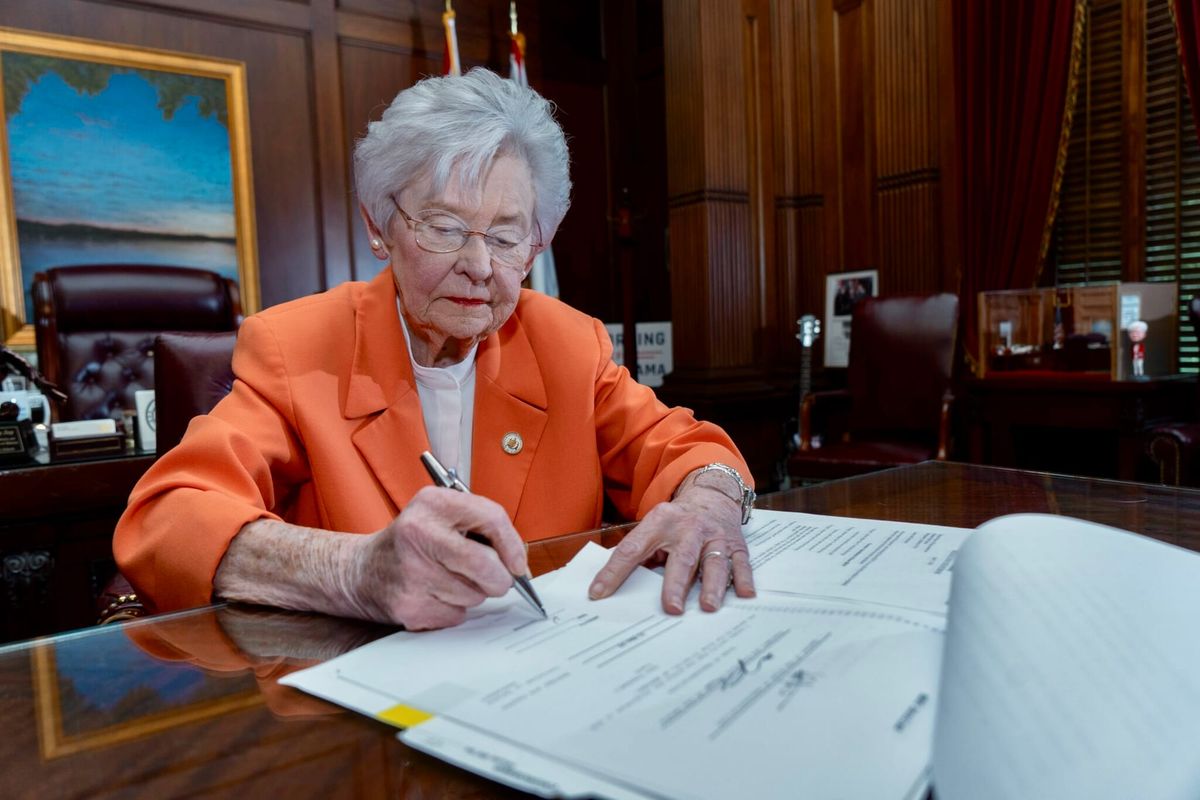
Alabama Governor Kay Ivey has signed a new election integrity measure into law, requiring post-election audits across the State. Supporters say the move strengthens trust in Alabama’s voting system. Critics argue it leaves out the very elections that often matter most.
House Bill 95, now law, directs State officials to conduct audits after general elections to verify vote accuracy and ensure proper procedures were followed. The measure builds on Alabama’s existing election safeguards and aligns the State with a growing number of States adopting formal audit requirements.
In a statement announcing the bill signing, Ivey said, “Alabama has long been a national leader in election security, and this law builds on that strong foundation to further ensure the integrity of our elections.”
She added that the audits would provide “an added layer of confidence” for voters and help confirm that election outcomes reflect the will of the people.
Under the new law, audits will be conducted after Statewide general elections. The process will review selected ballots and voting equipment to confirm accuracy. State officials say the audits are not meant to change outcomes, but to verify them.
Backers of the bill, largely Republican lawmakers, framed the measure as a common-sense step in an era of heightened public scrutiny of elections. Alabama has consistently ranked among States with strict voting laws, and leaders have pointed to that record in defending the legislation.
Still, the bill has drawn criticism from some election observers and advocacy groups who say it misses a key reality of Alabama politics: many races are effectively decided before voters ever reach the general election ballot.
Alabama currently operates under an open primary system, and in a State dominated by one party, primary contests often determine the eventual officeholder. In many districts, candidates from one party run unopposed in the general election, making the primary the only competitive race.

Recent election data underscores how few voters take part in those decisive contests. In 2024, just over 21 percent of registered voters cast ballots in the State’s primary elections.
That means a relatively small share of the electorate is often choosing candidates who will go on to win without serious opposition in November.
Because HB 95 applies only to general elections, those primary outcomes will not be subject to the same audit requirements.
That gap raises serious questions about the law’s overall impact.
A district-by-district review of certified candidate lists from both Republican and Democratic Parties puts hard numbers behind that concern. Of the Legislature’s 140 seats, 92 will effectively be decided in a primary election, including 74 districts with no Democrat on the ballot and 18 with no Republican. Another 31 seats are entirely unopposed, leaving just 17 races Statewide where voters will see real competition in November.
In other words, nearly nine out of ten legislative seats are settled before the general election. Yet under House Bill 95, none of those primary contests would be subject to a required post-election audit.
The result is a system where the decisive contest often occurs months before the general election. Primary elections, set for May 19, 2026, will determine the eventual officeholder in a large share of legislative races.
For Alabama voters in the vast majority of districts, that means the only competitive election they see will not be subject to the same audit standards.
Supporters of the law argue that general elections remain the official and final certification point. But the candidate data suggests that, in practical terms, many outcomes are settled long before then.
The new law takes effect immediately, with State officials expected to develop procedures for implementing the audits in coordination with local election authorities.