
Judge Hears Tuberville Residency Challenge
Judge takes Tuberville's motion to dismiss under advisement as both sides prepare for what could become a fast appeal
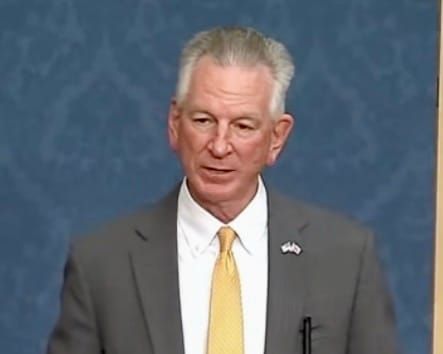
A Montgomery County judge heard arguments Monday over whether a lawsuit challenging Republican gubernatorial nominee Tommy Tuberville's residency should move forward, leaving the closely watched case awaiting a ruling that could quickly reach the Alabama Supreme Court.
The nearly two-and-a-half-hour hearing before Circuit Judge Brooke Reid focused solely on Tuberville's motion to dismiss. The court did not consider whether Tuberville satisfies Alabama's seven-year residency requirement for Governor. Instead, attorneys debated whether the judiciary has the authority to decide the issue before the November election.
The lawsuit, filed by military veterans Brook Lynn Drogan and Justin Jude LeBlanc, alleges Tuberville has not been an Alabama resident for the seven consecutive years required by the Alabama Constitution. The plaintiffs seek to remove him from the general election ballot through a quo warranto action.
The hearing comes days after Secretary of State Wes Allen was dismissed from the lawsuit, leaving Tuberville as the sole remaining defendant after plaintiffs acknowledged Allen was not a proper party to the case.
Plaintiffs' attorney Barry Ragsdale argued the courts—not voters or the Legislature—must decide whether Tuberville meets the Constitution's qualifications for Governor.
"We've certainly never had somebody try to run for Governor who didn't live in the state of Alabama," Ragsdale told the court.
He later told reporters the dispute belongs in court because constitutional qualifications cannot be overridden by election results.
"This is a typical question that courts decide all the time, and we believe the courts and the judiciary are who should pass on whether or not the Constitution has been violated," Ragsdale said.
Tuberville attorney Joe Espy countered that Alabama voters already considered the residency issue when they overwhelmingly nominated Tuberville in the Republican primary.
"Now they don't want to accept the voice of the people. We do," Espy said. "We want to accept the voice of the people and want to follow the Constitution of Alabama."
Attorney Bert Jordan argued the dispute belongs outside the judiciary altogether.
"It is constitutional that you have no power," Jordan told Reid.
The case turns on Article V, Section 117 of the Alabama Constitution, which requires a Governor to have been an Alabama citizen for "at least seven years next before the date of their election." Plaintiffs contend Tuberville primarily resided in Florida during that period. Tuberville has maintained that his legal residence has remained in Alabama.
Reid said Alabama law offers no clear roadmap for resolving the dispute but promised a prompt ruling because of the approaching election calendar.
Either side may immediately appeal her decision, making Alabama's appellate courts—and potentially the Alabama Supreme Court—the likely next stop in a case that could determine whether Tuberville remains on the Nov. 3 ballot.
State law requires the Secretary of State to certify candidates by Aug. 26, giving the courts only a narrow window to resolve the dispute before ballots are finalized.